

“力強さと知恵を持つものだけが、真の武士である。”
— Only those with strength and wisdom can be true samurai.

| Lead 統率 |
Valor 武勇 |
Intel 知略 |
Pol 政治 |
|---|---|---|---|
| 80 | 75 | 78 | 72 |
| Name (JP) | 島津 忠将 |
|---|---|
| Title | Daimyo |
| Clan / Force | Shimazu Clan |
| Era | 1553 – 1632 |
| Origin | Satsuma |
| Key Battles | |
| Arts | Noh Theatre |
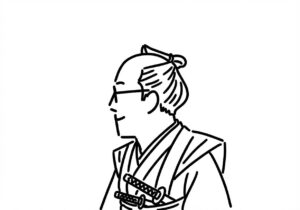
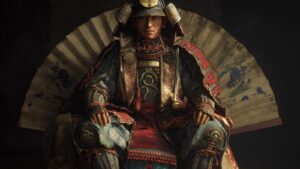
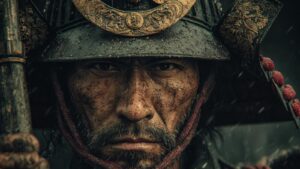
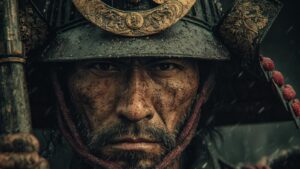
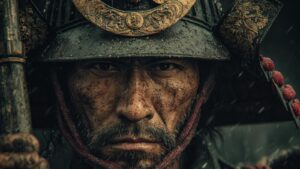
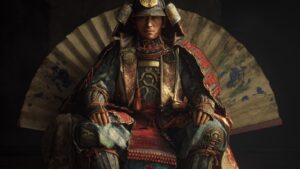
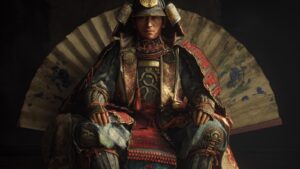
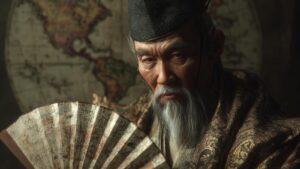
About Shimazu Tadamasa
From a young age, Tadamasa was trained in the martial traditions of the samurai, embracing both physical prowess and intellectual strategy.
His formative years were spent amidst the conflicts of the Sengoku period, which greatly shaped his future as a military leader.
After his father’s passing, Tadamasa ascended to the position of daimyo of Satsuma.
His leadership skills became evident as he navigated through the complex political landscape dominated by larger clans like the Toyotomi and the Tokugawa.
Forming strategic alliances and engaging in shrewd diplomacy, Tadamasa expanded his domains influence significantly throughout his rule.
Tadamasa played key roles in several notable during the late 16th and early 17th centuries, demonstrating his capability as a commander in various conflicts, including the Siege of Osaka.
His valor on the battlefield earned him respect and recognition among his peers.
Although not as prominent as some of his contemporaries, his strategies often turned the tide of confrontation in favor of the Satsuma clan.
Shimazu Tadamasas is remembered among historians as a capable and intelligent leader who managed to maintain the stability and prosperity of his region.
He left behind a family line that would continue to play significant roles in Japanese history long after his passing in 1632.
His influence on the arts and governance of the Satsuma domain established a cultural lineage that contributed to Japans rich heritage.
comment