
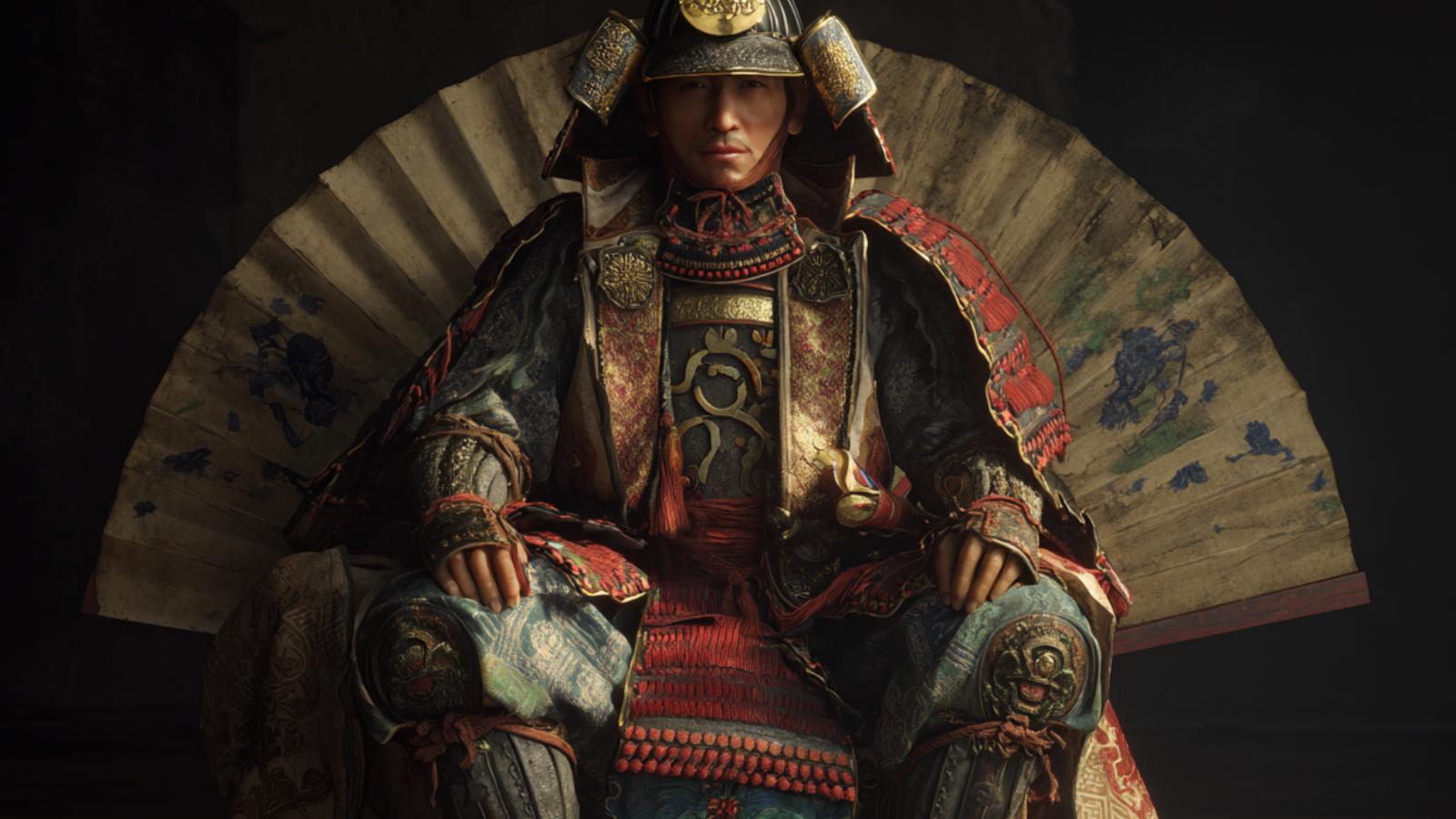
“武士は食わねど高楊枝”
— A samurai may not eat, but will carry himself with dignity.

| Lead 統率 |
Valor 武勇 |
Intel 知略 |
Pol 政治 |
|---|---|---|---|
| 82 | 75 | 78 | 70 |
| Name (JP) | 島津 忠良 |
|---|---|
| Title | Daimyo |
| Clan / Force | Shimazu Clan |
| Era | 1560 – 1630 |
| Origin | Satsuma |
| Key Battles | |
| Arts | Noh Theatre |
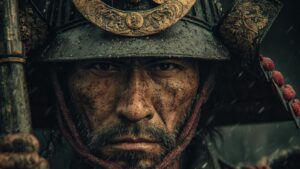
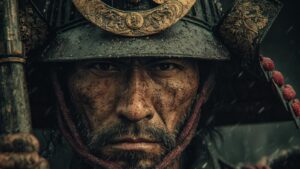
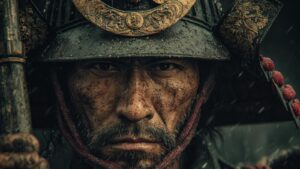
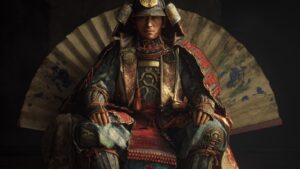
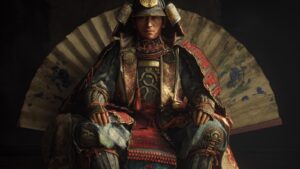
About Shimazu Tadayoshi
He was the son of the prominent Shimazu clan leader, Shimazu Yoshihiro, learning the ways of the samurai and the complexities of clan politics from an early age.
As a young warrior, Tadayoshi participated in numerous campaigns to expand the Shimazu clans influence, proving his mettle on the battlefield.
His valor and leadership during key earned him respect among his peers and solidified his position within the clan.
He eventually succeeded to leadership roles that allowed him to demonstrate both his military prowess and diplomatic skills, particularly in dealing with rival clans and the evolving political landscape of Japan during the Sengoku period.
Throughout his military career, Tadayoshi was involved in significant skirmishes that showcased his tactical intelligence and bravery.
He fought against formidable foes such as the Takeda and even engaged in naval, reinforcing the Shimazus reputation as a powerful maritime force.
His adeptness at both land and sea warfare marked him as a capable general whose strategies were studied by future leaders.
After his death in 1630, Tadayoshis continued to influence the region.
The Shimazu clan remained a significant power in the south, demonstrating his lasting impact on the political landscape of Japan.
Tadayoshi’s contributions to the arts, notably his appreciation for Noh theatre, also enriched the cultural fabric of Satsuma, eming the spirit of a samurai who valued both martial skill and artistic expression.
comment