
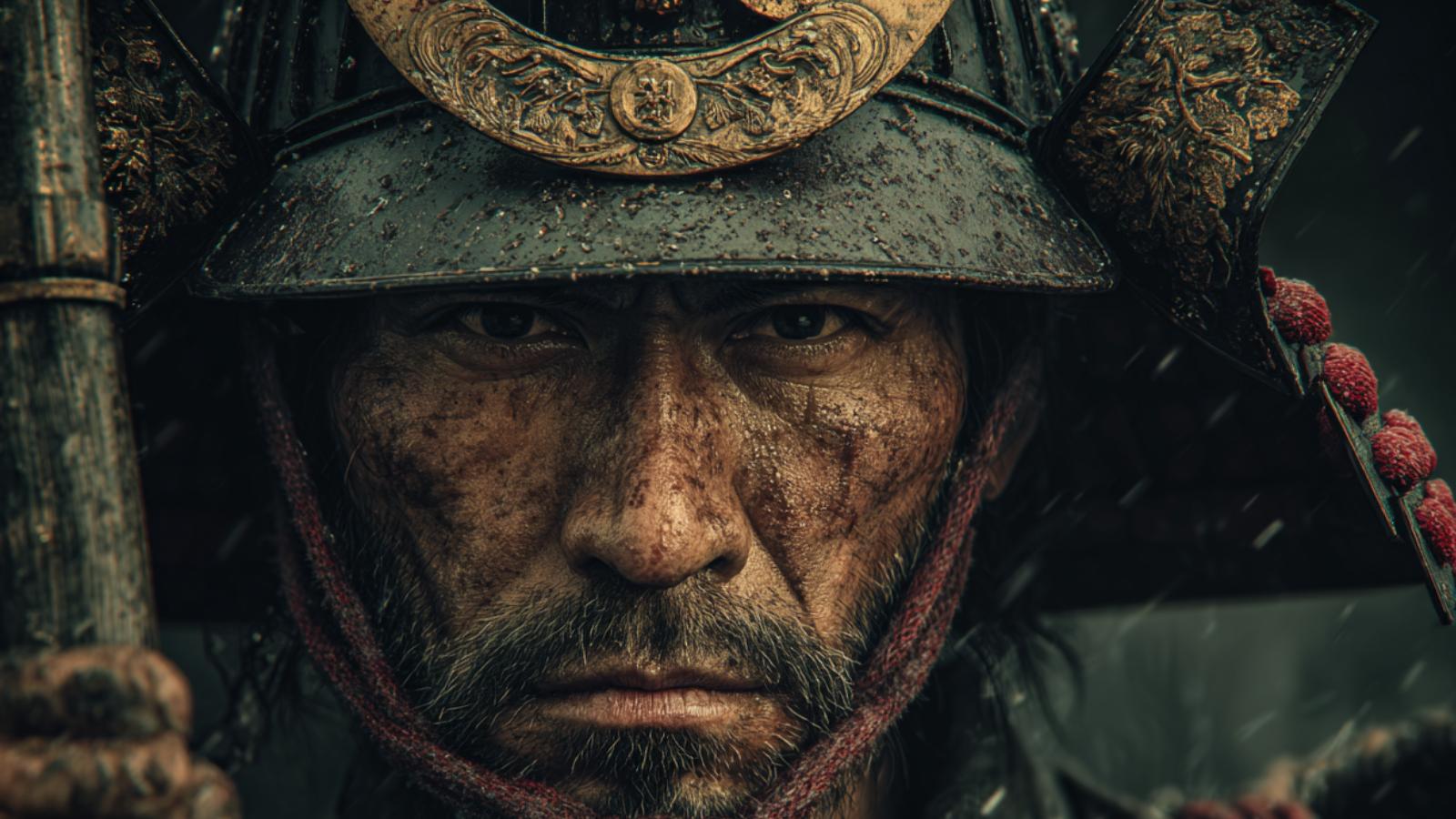
“心の刃を研ぎ澄ませ”
— Sharpen the blade of your heart.

| Lead 統率 |
Valor 武勇 |
Intel 知略 |
Pol 政治 |
|---|---|---|---|
| 67 | 58 | 75 | 70 |
| Name (JP) | 宗 義智 |
|---|---|
| Title | Chief Retainer |
| Clan / Force | Oda Clan |
| Era | 1505 – 1550 |
| Origin | Mutsu |
| Key Battles | |
| Arts | Calligraphy |
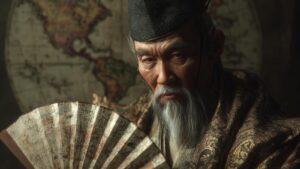
About So Yoshitoshi
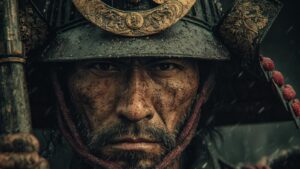
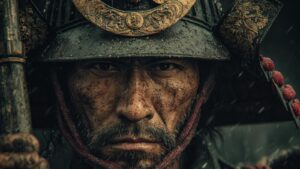
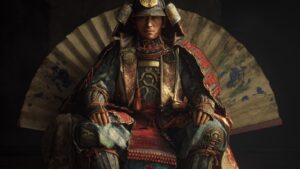
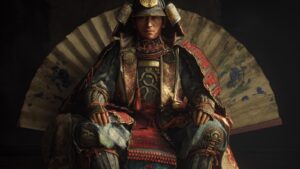
Born into the Shugo lineage, he was raised in a time of strife and social upheaval, where the age of the samurai was transitioning from feudal loyalty to broader political maneuvering.
His early years were spent studying military strategy and the arts, particularly calligraphy, which played a significant role in his character development as a ruler and leader.
As he came of age, Yoshitoshi quickly distinguished himself through his strategic intelligence and capability to command small units in skirmishes.
His efforts caught the attention of local daimyo, and he was soon appointed as Chief Retainer, a position that allowed him to gain prominence in regional politics.
His ability to win the respect of his peers was both through diplomatic skill and his demonstrated valor in battle, though he was never seen as a legendary fighter like some of his contemporaries.
He linked himself closely with the political machinations of the province, creating alliances that would serve him well in future conflicts.
Throughout his lifetime, Yoshitoshi participated in various that contributed to the turbulent history of Mutsu.
While he never led a major army into war, his strategies were instrumental in smaller conflicts and skirmishes that helped safeguard the territories loyal to him.
He was known for his careful planning and ability to adapt to the changing tides of battle, often relying on the terrain and his knowledge of local politics to gain an advantageous position over his enemies.
However, he faced challenges from more ambitious rivals who sought to undermine his influence.
His diplomatic leanings often placed him at odds with the militaristic norms of his time, and thus he remained a figure of moderation amidst chaos.
So Yoshitoshi passed away in 1550, leaving behind a as a capable and intelligent leader whose contributions were more political than military.
His approach to governance inspired future generations of samurai and retained an aura of respect; he was seen as a man who valued intellect over brute strength.
Despite never attaining legendary status, his life and actions shaped the narrative of the Mutsu region, and he is remembered for his strategic mind and diplomatic nature in the annals of samurai history.

comment