
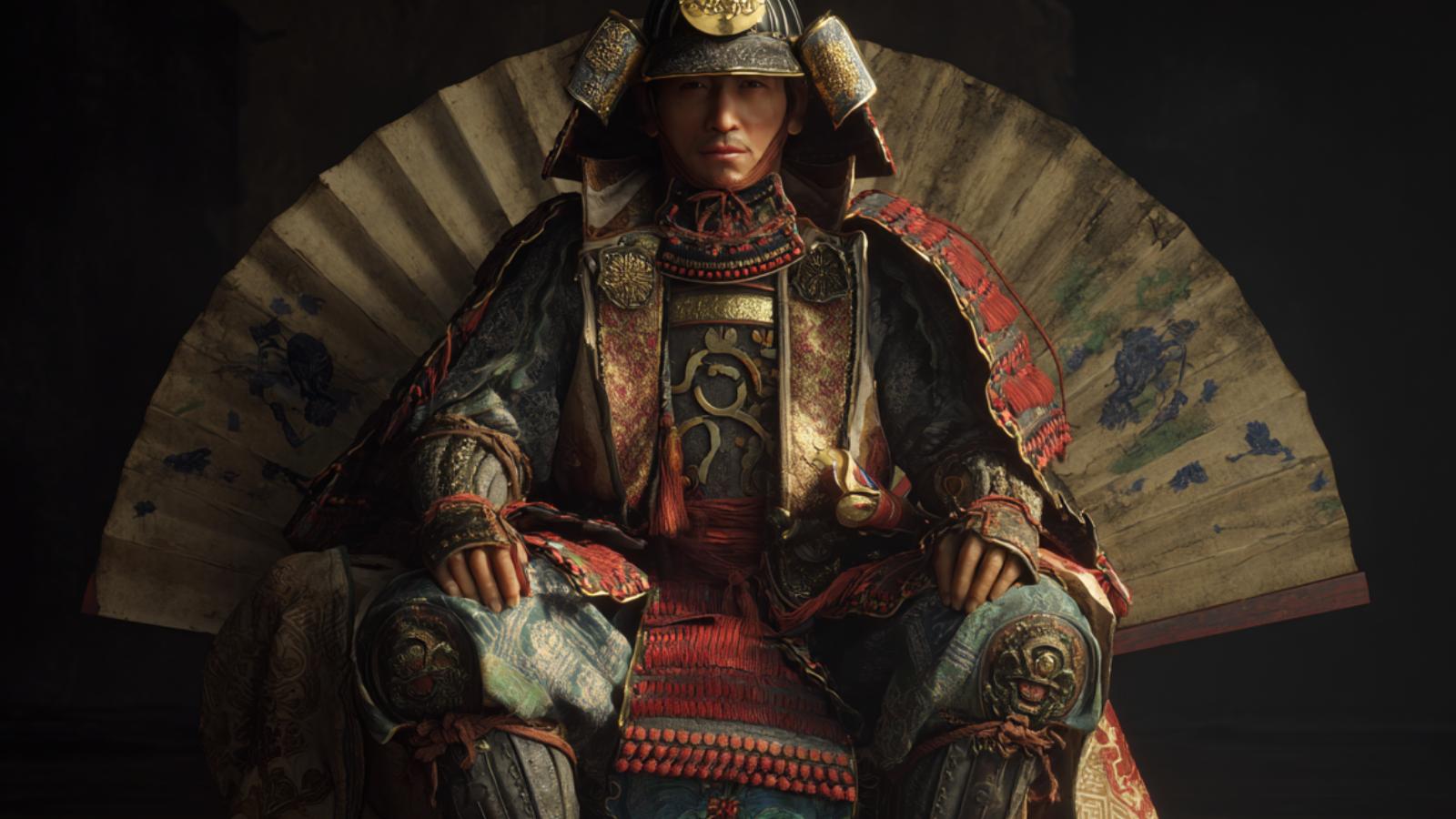
“勝ち負けより大切なのは、誇りである。”
— What matters more than victory or defeat is pride.

| Lead 統率 |
Valor 武勇 |
Intel 知略 |
Pol 政治 |
|---|---|---|---|
| 70 | 65 | 72 | 68 |
| Name (JP) | 陶 長房 |
|---|---|
| Title | Daimyo |
| Clan / Force | Miyoshi Clan |
| Era | 1567 – 1644 |
| Origin | Bizen |
| Key Battles | |
| Arts | Swordsmanship |
About Sue Nagafusa
Coming from a family of samurai, he was trained in the arts of war from a young age, developing skills in both swordsmanship and strategy.
His upbringing instilled in him the values of honor and loyalty, which would shape his later endeavors.
As he grew, Tō Nagafusa aligned himself with prominent warlords, proving his worth as a capable general.
His tactical mind allowed him to navigate the complex politics of the Sengoku period, where allegiances shifted rapidly.
By the late 1590s, he had earned the of daimyō and was managing his own domain, where he implemented several reforms to bolster both agriculture and military readiness.
During the Imjin War, Tō Nagafusa showcased his valor and command as he defended his territory against invasions.
Although not always at the forefront of major like some of his contemporaries, his strategies were pivotal in several confrontations, helping to turn the tide in favor of his allies on numerous occasions.
He was respected not only for his fighting skills but for his ability to rally troops and maintain discipline under pressure.
Tō Nagafusas is one of a wise and honorable leader.
He left behind a well-organized domain that continued to prosper well into the Edo period.
His teachings on pride and honor in warfare resonated with future generations of samurai, and his contributions to the art of strategy remain respected in historical studies of the era.









comment