
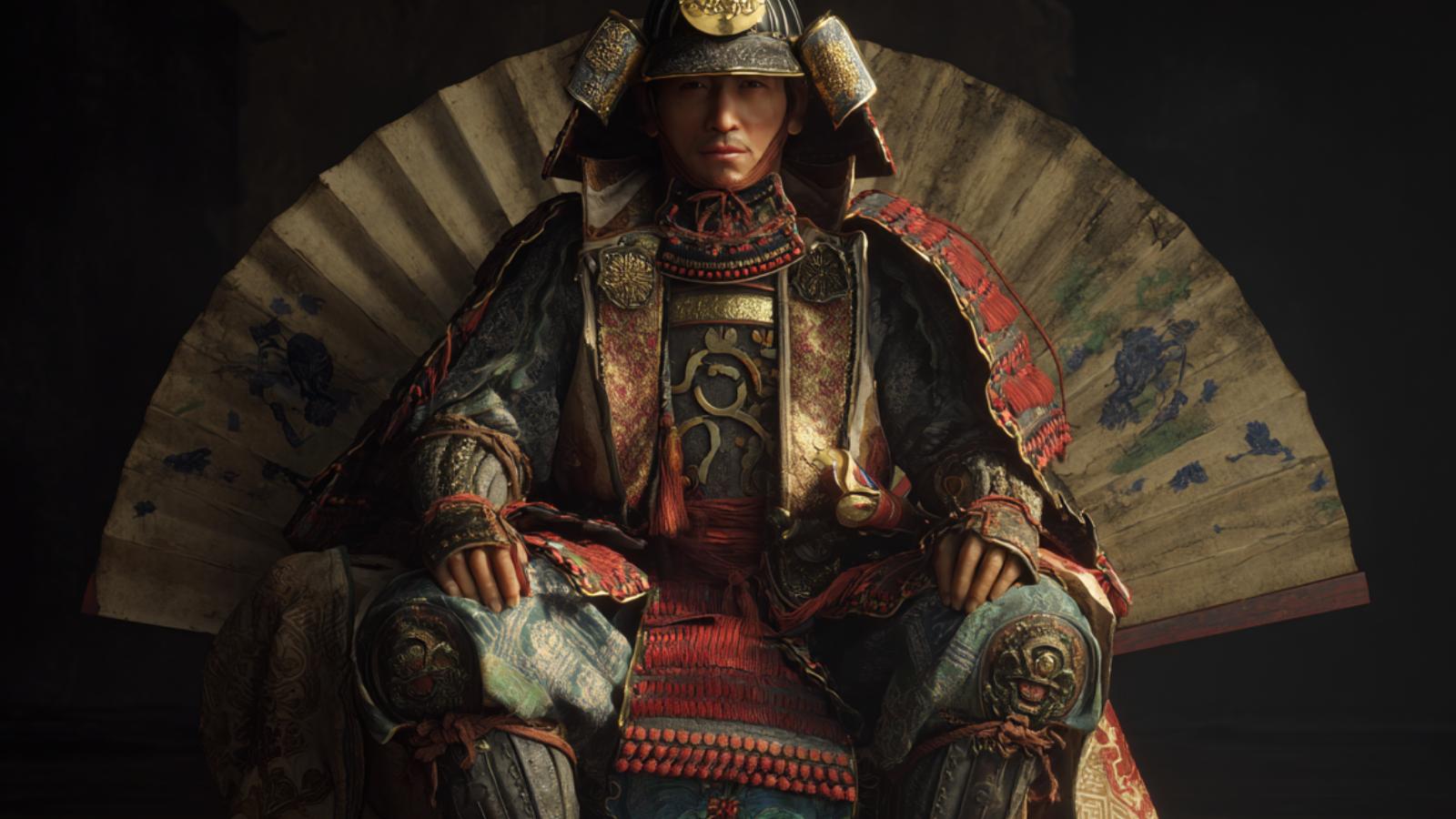
“進む者、勝利を得る。”
— Those who advance shall attain victory.

| Lead 統率 |
Valor 武勇 |
Intel 知略 |
Pol 政治 |
|---|---|---|---|
| 75 | 70 | 80 | 65 |
| Name (JP) | 里見 義康 |
|---|---|
| Title | Daimyo |
| Clan / Force | Satomi Clan |
| Era | 1562 – 1615 |
| Origin | Awa |
| Key Battles | |
| Arts | Calligraphy |
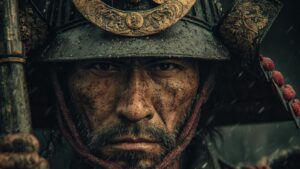
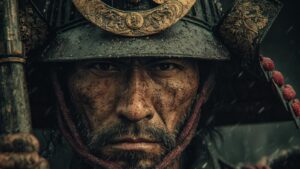
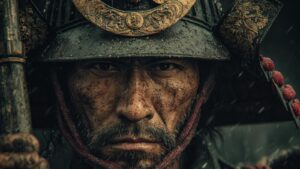
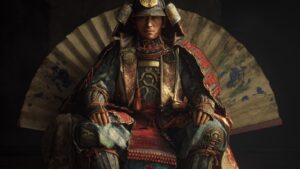
About Satomi Yoshiyasu
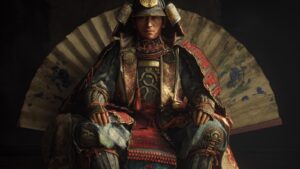
As a member of the Satomi clan, he was raised in an environment steeped in the traditions of samurai warfare and governance.
His early education focused on martial arts, strategy, and the arts, particularly calligraphy, which played a significant role in his intellectual development.
During his youth, the Satomi clan faced numerous challenges from rival clans, including the powerful Hojo family.
Yoshiyasu proved himself a capable leader and was recognized for his ability to plan and execute military strategies effectively.
As he gained prominence, he succeeded in consolidating power and extending the influence of the Satomi clan in the region.
His leadership during various skirmishes and alliances showcased his tactical mind and valor, earning him respect among his peers.
Yoshiyasus reputation as a strategist was solidified through a series of against the Hojo and other rival clans.
His most notable engagement was the Siege of Otaki, where his forces successfully defended their territory against overwhelming odds.
His ability to adapt to rapidly changing circumstances on the battlefield and make quick decisions played a crucial role in his victories.
The respect he garnered from his warriors was based not only on his strategic acumen but also his personal courage, often leading from the front.
Satomi Yoshiyasus is remembered through his contributions to the stability of the Awa province during a chaotic period in Japanese history.
While he may not have reached the legendary status of figures like Oda Nobunaga or Tokugawa Ieyasu, his impact on regional politics and military strategy was significant and paved the way for future generations of the Satomi clan.
His life remains a testament to the resilience of lesser-known samurai leaders in the complex tapestry of Japans feudal past.
comment