
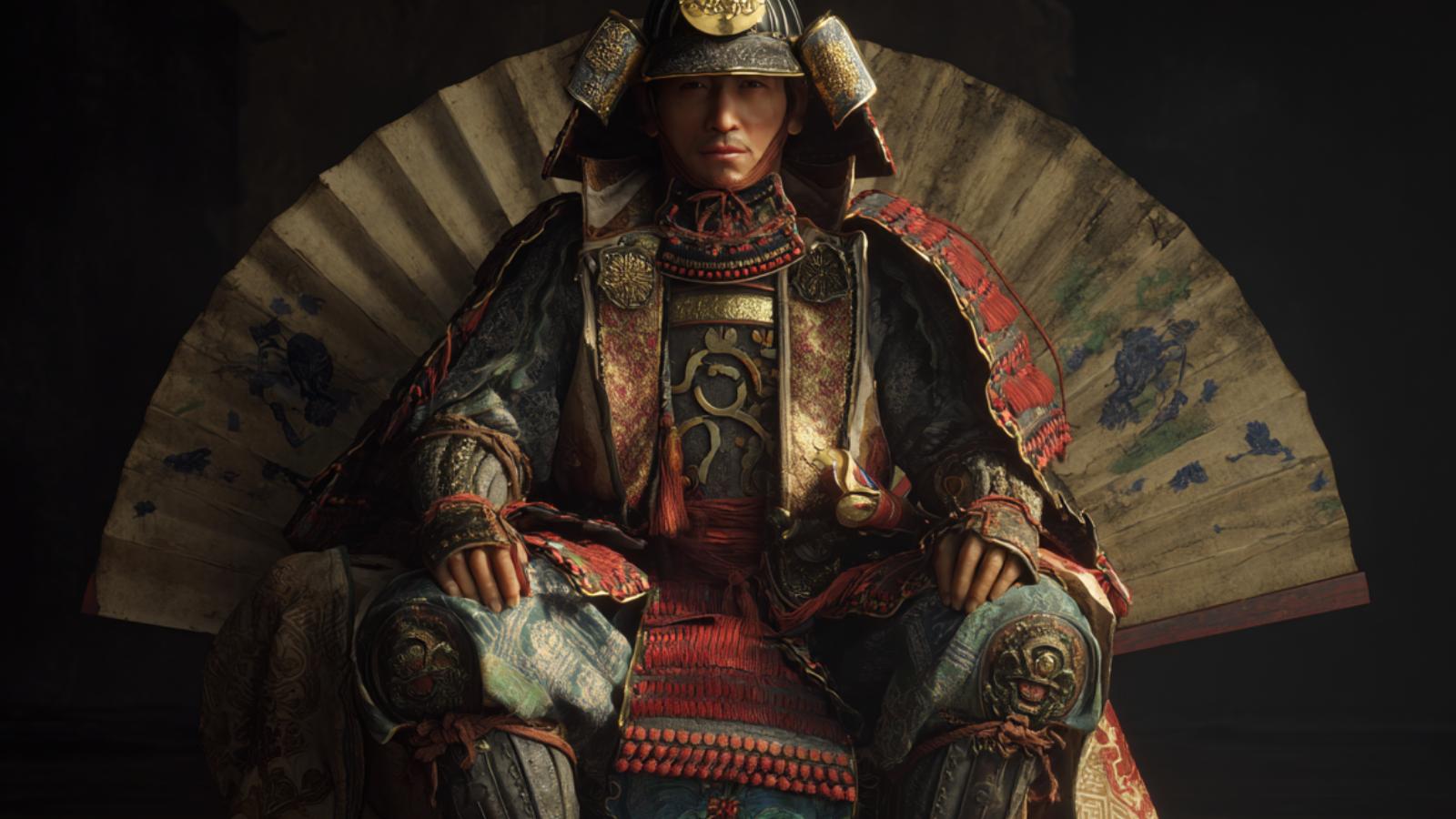
“武士の誇りは、戦に勝つことだけではない。”
— The pride of a warrior lies not only in victory in battle.

| Lead 統率 |
Valor 武勇 |
Intel 知略 |
Pol 政治 |
|---|---|---|---|
| 75 | 70 | 80 | 65 |
| Name (JP) | 白河 義親 |
|---|---|
| Title | Daimyo |
| Clan / Force | Unknown |
| Era | 1157 – 1189 |
| Origin | Kōzuke |
| Key Battles | |
| Arts | Poetry |
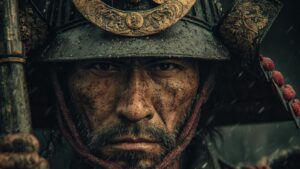
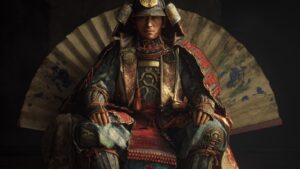
About Shirakawa Yoshichika
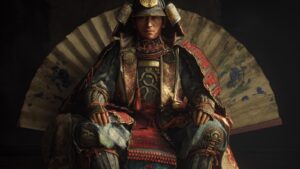
His lineage as a Shugo, or military governor, gave him a unique perspective on the balance between warfare and governance.
As a young man, Yoshichika was trained in both the martial and literary arts, leading him to develop a well-rounded character that combined both skill in combat and a love for poetry.
During the turbulent years of the late Heian period, Yoshichika emerged as a competent leader, navigating the complex feudal landscape.
He aligned himself with various clans, observing the power dynamics that defined the era.
His intelligence and ability to forge alliances allowed him to expand his influence, earning respect even among rival factions.
His notable strategic acumen was highlighted in several conflicts where his tactics turned the tide of battle in favor of his allies.
Throughout his military career, Yoshichika participated in numerous skirmishes and larger that shaped the power hierarchy of Japan.
His most famous involved skirmishes against the Minamoto clan, where his strategic genius shone through, allowing him to secure vital territories.
Despite facing formidable opponents, Yoshichika’s valor in combat was only surpassed by his strategic foresight, making him a respected figure on the battlefield.
However, it was his diplomatic skills that often played a more crucial role in his successes, negotiating treaties that ensured the stability of his domain.
Yoshichikas is that of a capable and intelligent leader whose contributions to samurai culture were significant yet often overshadowed by the more famous warlords of his time.
He is remembered not only for his battlefield prowess but also for his cultural contributions, particularly in poetry, which reflected the samurai ethos.
His quote, The pride of a warrior lies not only in victory in battle, exemplifies his belief in the greater responsibilities borne by a leader, not just on the battlefield but also in governance and the arts.
His life and actions paved the way for future generations of samurai to balance martial skills with cultural refinement.
comment