
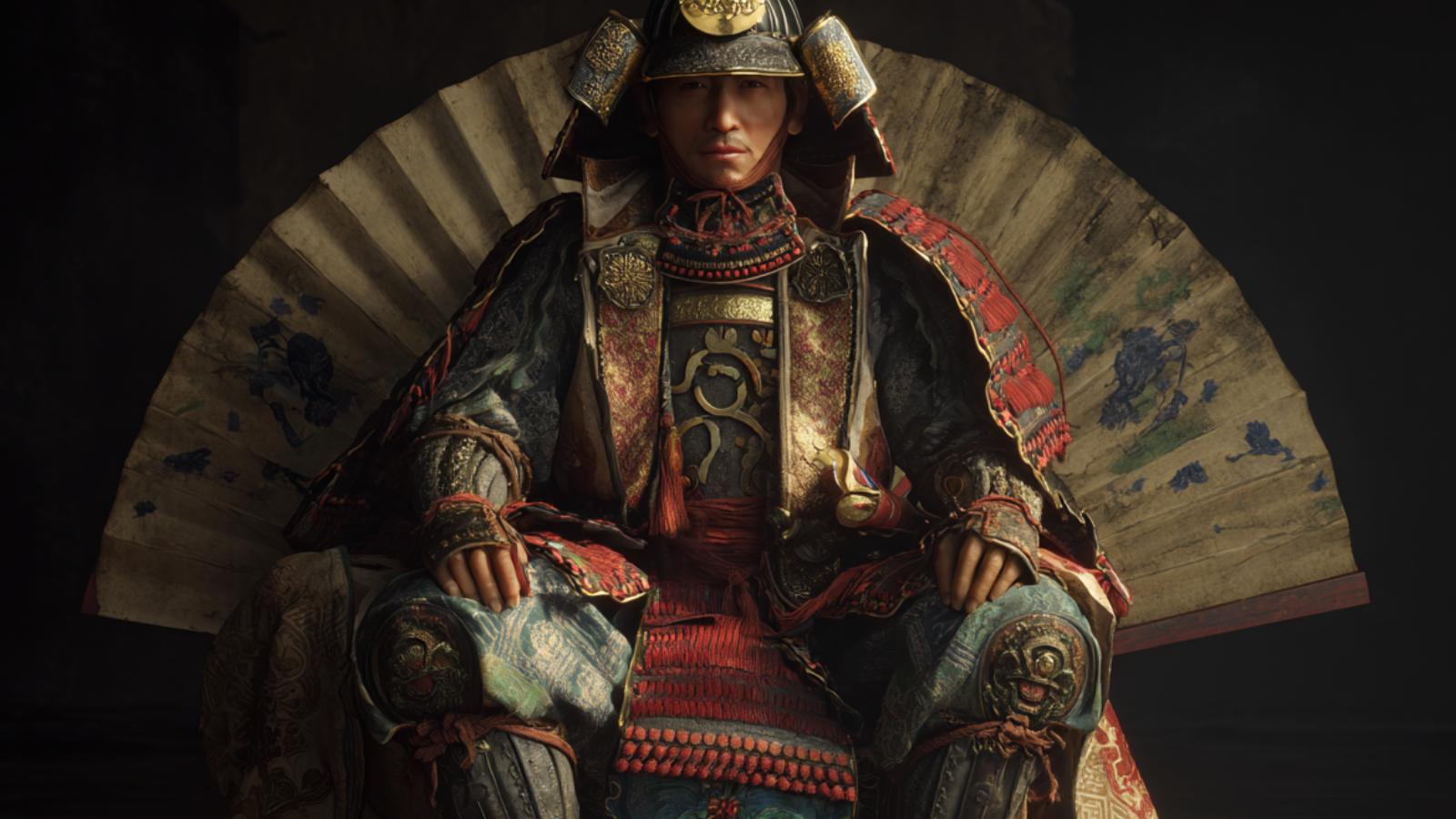
“何事も一生懸命に。”
— Everything should be done with utmost effort.

| Lead 統率 |
Valor 武勇 |
Intel 知略 |
Pol 政治 |
|---|---|---|---|
| 70 | 75 | 65 | 60 |
| Name (JP) | 二階堂 盛義 |
|---|---|
| Title | Daimyo |
| Clan / Force | Unknown |
| Era | 1537 – 1590 |
| Origin | Ise |
| Key Battles | |
| Arts | Kintsugi |
About Nikaido Moriyoshi
Coming from a lineage of shugo, or provincial military governors, he was raised in a martial environment, where he was trained in the arts of warfare and strategy.
His family was known for their regional influence, which provided Moriyoshi with opportunities to learn the complex politics of feudal Japan and develop his combat skills early in life.
As Moriyoshi grew older, he became a notable figure in his own right, aligning himself with various powerful clans during their campaigns throughout the provinces.
His loyalty to local lords earned him recognition, and he steadily climbed the ranks due to his skills in both battle and negotiation.
Moriyoshi played a crucial role in several regional skirmishes, showcasing his ability to command troops effectively and execute strategic maneuvers.
He eventually reached the status of daimyo, gaining control over a substantial territory and further establishing his reputation.
Throughout his career, Moriyoshi was involved in numerous, often displaying a personal valor that earned him the respect of his peers and subordinates.
His keen mind for strategy saw him through many challenging confrontations, and he developed a particular knack for defense.
Nevertheless, he faced setbacks that tempered his aspirations, showcasing the volatile nature of warfare during this period.
His most notable engagements included conflicts with rival clans, where he employed tactics that balanced courage and caution, reflecting his understanding of the ebb and flow of battle dynamics.
Moriyoshis endures in the annals of samurai history, as a capable general who contributed significantly to the political landscape of his time.
Though not achieving the legendary status of some contemporaries, his role in shaping the Ise province’s defense and governance is still recognized.
His philosophy of hard work and dedication resonates with many who study his life, and he is remembered as a figure who exemplified the spirit of the samurai during a tumultuous era.
The subtle art of kintsugi, which he admired, metaphorically mirrored his own life—finding beauty in the piecing together of fractured experiences.









comment