
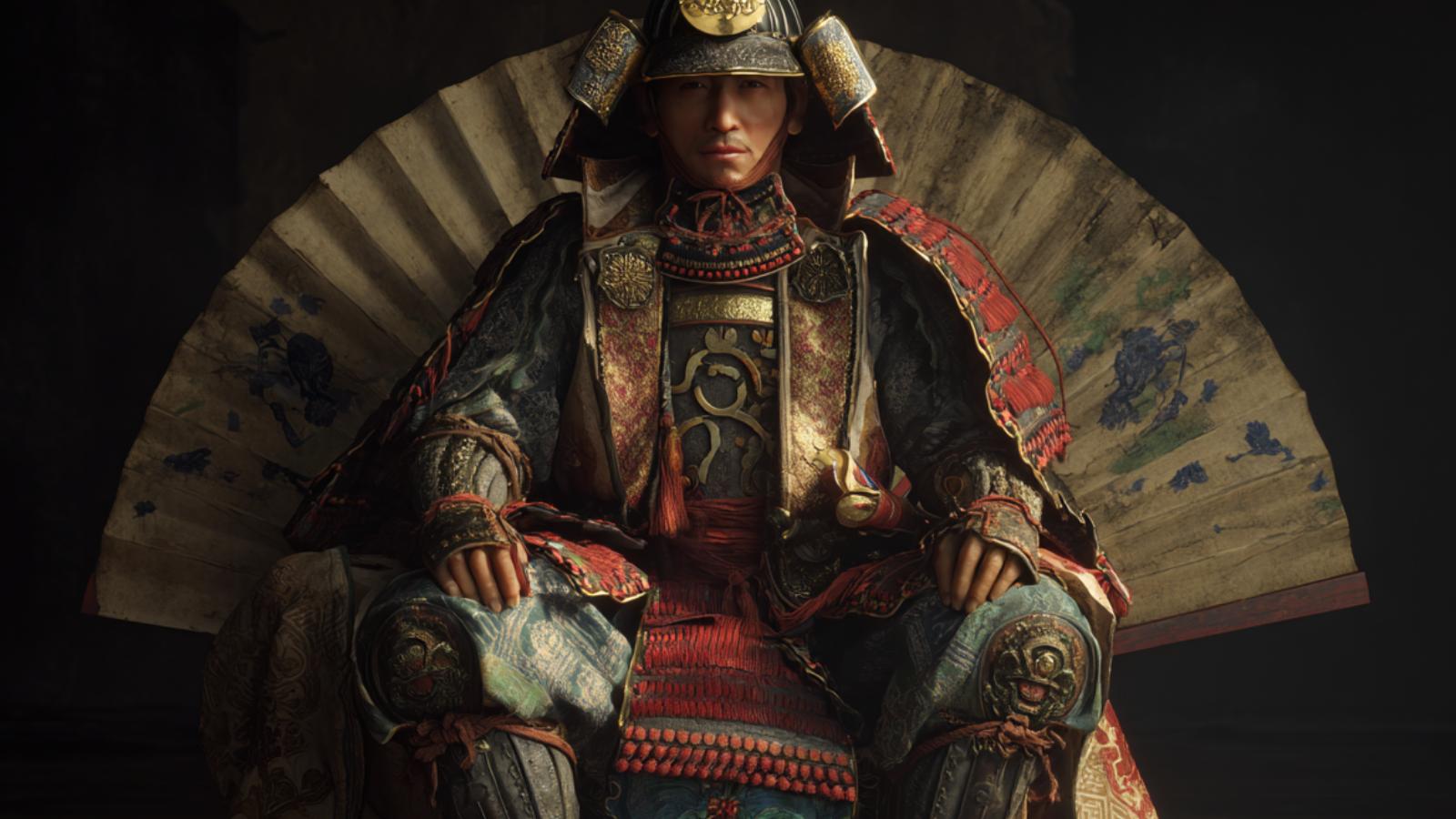
“勝利は強者ではなく、知恵ある者に訪れる。”
— Victory comes not to the strong, but to the wise.

| Lead 統率 |
Valor 武勇 |
Intel 知略 |
Pol 政治 |
|---|---|---|---|
| 75 | 70 | 68 | 65 |
| Name (JP) | 蘆名 盛隆 |
|---|---|
| Title | Daimyo |
| Clan / Force | Ashina Clan |
| Era | 1560 – 1622 |
| Origin | Mutsu |
| Key Battles | |
| Arts | Poetry |
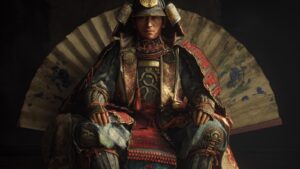
About Ashina Moritaka
He belonged to the Ashina clan, known for their military prowess and as territorial lords.
His lineage as a shugo provided him with the necessary background to through the ranks during the turbulent Sengoku period, which was characterized by constant military conflict and political intrigue.
Moritakas to power began in the late 16th century, as he took over the leadership of the Ashina clan following a series of struggles among clans in the region.
His early campaign to unify and assert control over Mutsu prepped him for the greater challenges ahead.
Moritaka was recognized for his ability to forge alliances, albeit amid betrayals, which strengthened his position in an unstable political environment.
Throughout his career, Moritaka fought in numerous against rival clans, including the Date and the Uesugi.
While he displayed commendable valor, fighting alongside his men, his strategic insights were sometimes overshadowed by the cunning tactics of his adversaries.
Despite this, he managed to defend his territory well and maintain the autonomy of the Ashina clan for a significant time.
Moritakas extends beyond the battlefield; he is remembered as a key figure in the history of the Mutsu region.
His leadership set the stage for his descendants, although the clan would eventually decline due to pressures from growing powers like the Tokugawa.
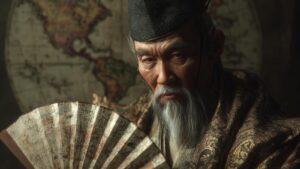
His emphasis on wisdom over brute strength is reflected in his famous quote, still studied in the context of military strategy and governance.




comment