
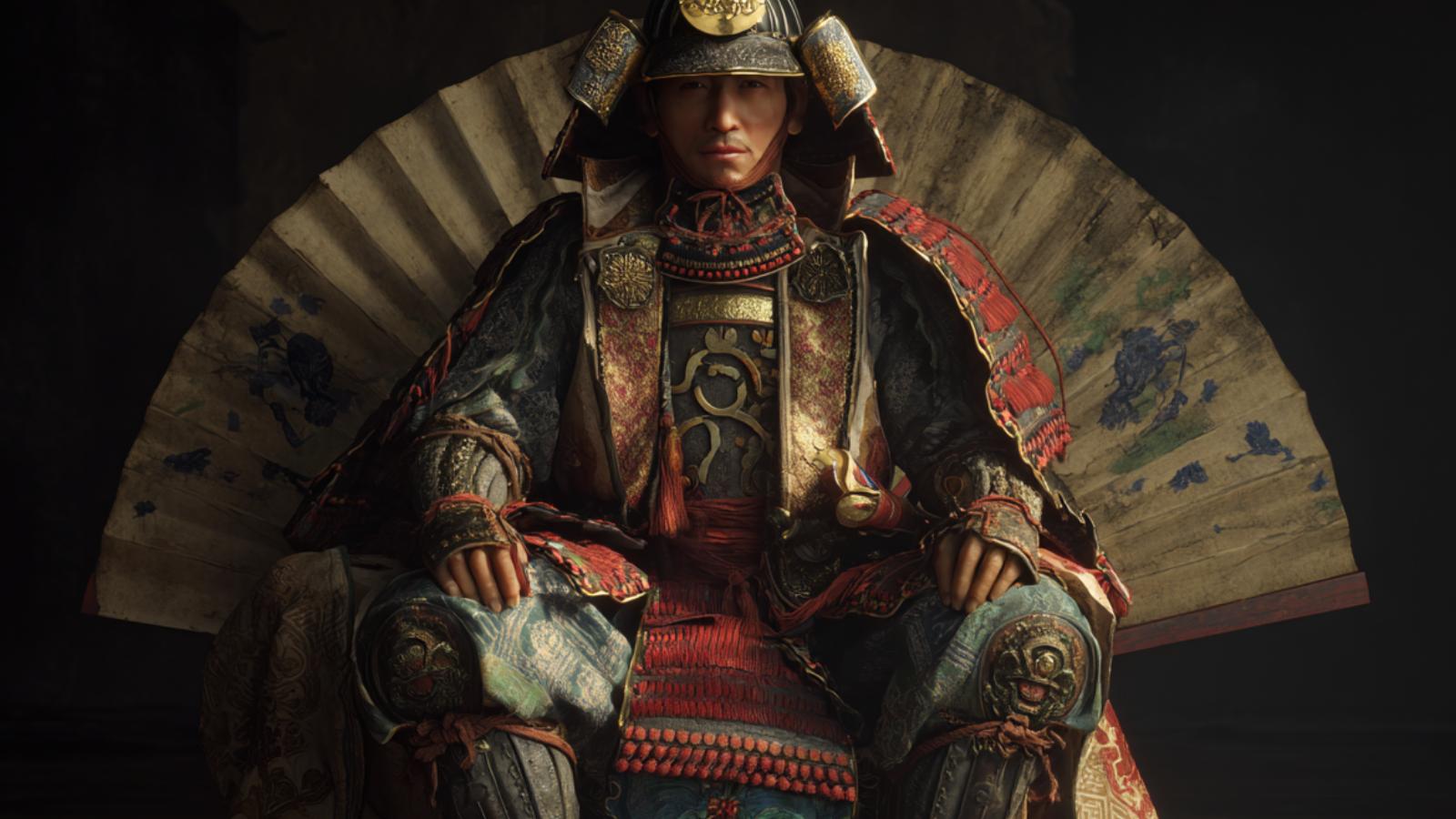
“心の中で生きる者は、真の武士である。”
— The one who lives in the heart is the true warrior.

| Lead 統率 |
Valor 武勇 |
Intel 知略 |
Pol 政治 |
|---|---|---|---|
| 75 | 70 | 78 | 65 |
| Name (JP) | 上杉 憲政 |
|---|---|
| Title | Daimyo |
| Clan / Force | Uesugi Clan |
| Era | 1510 – 1579 |
| Origin | Yamagata |
| Key Battles | |
| Arts | Calligraphy |
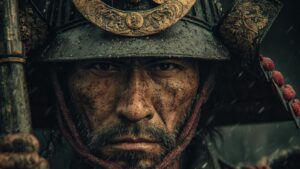
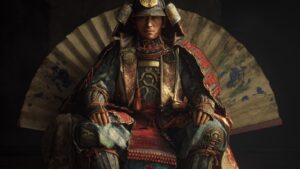
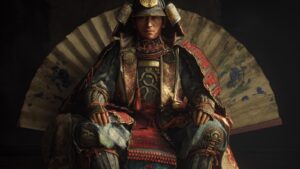
About Uesugi Norimasa
He would grow up in a tumultuous era marked by civil wars and shifting alliances among the Japanese nobility.
From an early age, Norimasa was steeped in the traditions of bushido and the arts, particularly calligraphy, which he pursued with great passion alongside military training.
Norimasa succeeded his father, Uesugi Sadamasa, and continued to consolidate power and influence in the region.
His leadership style, characterized by a blend of military acumen and diplomacy, gained him respect among his peers.
He played a pivotal role in the regional conflicts, often aligning with other clans to strengthen his position against rivals.
Norimasas adeptness in strategic warfare led him to victories that solidified his reputation as a capable general, despite facing numerous challenges from other powerful daimyos of the time.
Throughout his life, Uesugi Norimasa participated in several key during the Sengoku period that tested his mettle as a leader.
He proved his worth in engagements against the Takeda and Date clans, where his tactical insights and the spirit of his troops often turned the tide in challenging scenarios.
However, despite his capabilities, he also faced several defeats, notably against the rising power of the Oda clan, which would mark a significant shift in the political landscape of Japan in the late 1570s.
Uesugi Norimasas continued long after his death in 1579.
Known for his commitment to the welfare of his people, he maintained a balance between independence and loyalty within the complex tapestry of feudal Japan.
Though overshadowed by the more prominent figures like Nobunaga and Ieyasu, Norimasa is remembered as a vital figure in his own right, eming the ideals of a samurai while navigating the treacherous waters of his time.
His life and struggles reflect the turbulence of the Sengoku period and the enduring spirit of the samurai.
His famous words, The one who lives in the heart is the true warrior, continue to inspire those who seek to understand the heart of a samurai.
comment