
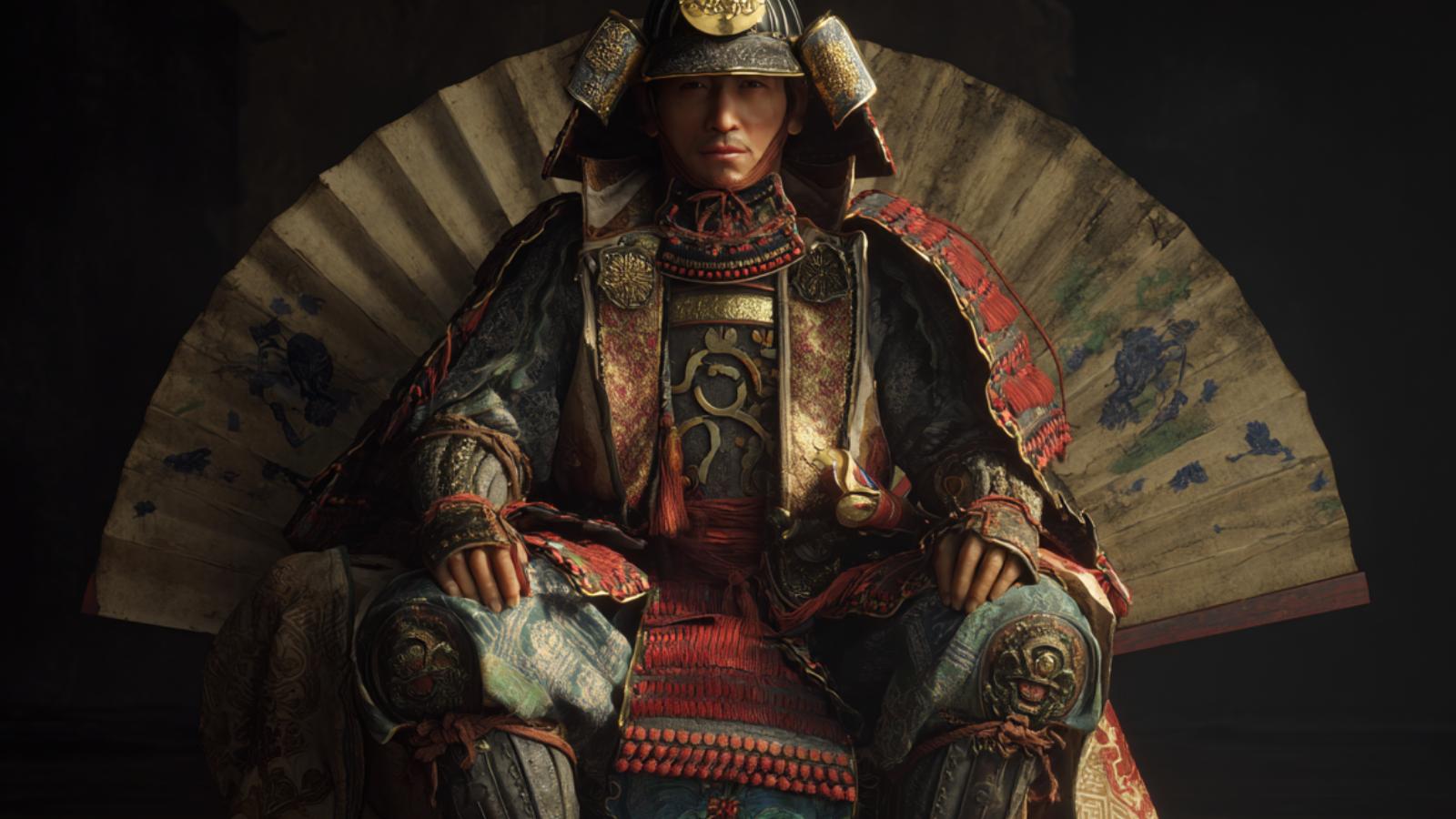
“真の武士は、無私の心を持つものだ。”
— A true warrior holds a heart free of selfish desires.

| Lead 統率 |
Valor 武勇 |
Intel 知略 |
Pol 政治 |
|---|---|---|---|
| 78 | 72 | 85 | 80 |
| Name (JP) | 伊達 忠宗 |
|---|---|
| Title | Daimyo |
| Clan / Force | Date Clan |
| Era | 1591 – 1658 |
| Origin | Mutsu |
| Key Battles | |
| Arts | Noh Theatre |
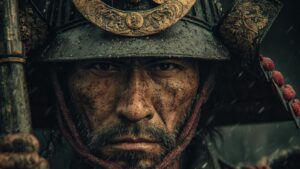
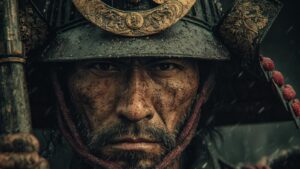
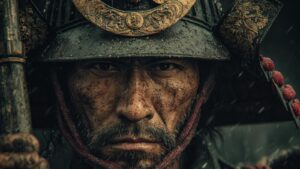
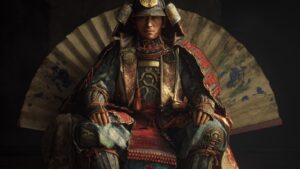
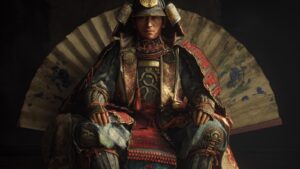
About Date Tadamune
He was the son of Date Masamune, a powerful daimyo renowned for his military prowess and political acumen.
From a young age, Tadamune was groomed to inherit his fathers influential position, inheriting not just his, but also his ambitions.
Under the guidance of notable strategists and samurai, he learned the virtues of leadership, warfare, and governance, laying the groundwork for his future as a formidable ruler.
Upon the death of his father in 1636, Tadamune ascended to the position of daimyo of the Date clan.
His leadership was marked by a focus on rebuilding and further expanding the clans territories.
He engaged in diplomatic negotiations with neighboring daimyo and forged alliances to strengthen his position.
Tadamune was instrumental in modernizing his domain, promoting infrastructure development and the arts.
His dedication to governance earned him respect among his peers, and he began to leave a lasting mark on the region.
Throughout his life, Tadamune led several military campaigns that showcased his capabilities as both a warrior and a strategist.
He faced opposition from rival clans, and his tactical decisions often turned the tide in .
Despite his valiant efforts, he was also known for his strategic withdrawals, understanding when to conserve resources rather than face certain defeat.
His commitment to securing the Date clans position in the turbulent landscape of the Warring States Period demonstrated his prowess and earned him recognition among great warriors of his time.
Date Tadamunes is multifaceted; he is remembered not only for his military leadership but also for his patronage of the arts.
Under his influence, Noh Theatre flourished in his province, and cultural exchanges thrived.
His governance style and insistence on the importance of both strength and culture left an indelible mark on the region, making him a respected figure in the annals of Japanese history.
To this day, his contributions to both warfare and the arts are celebrated, illustrating the balance he struck between martial skill and cultural refinement.
comment