
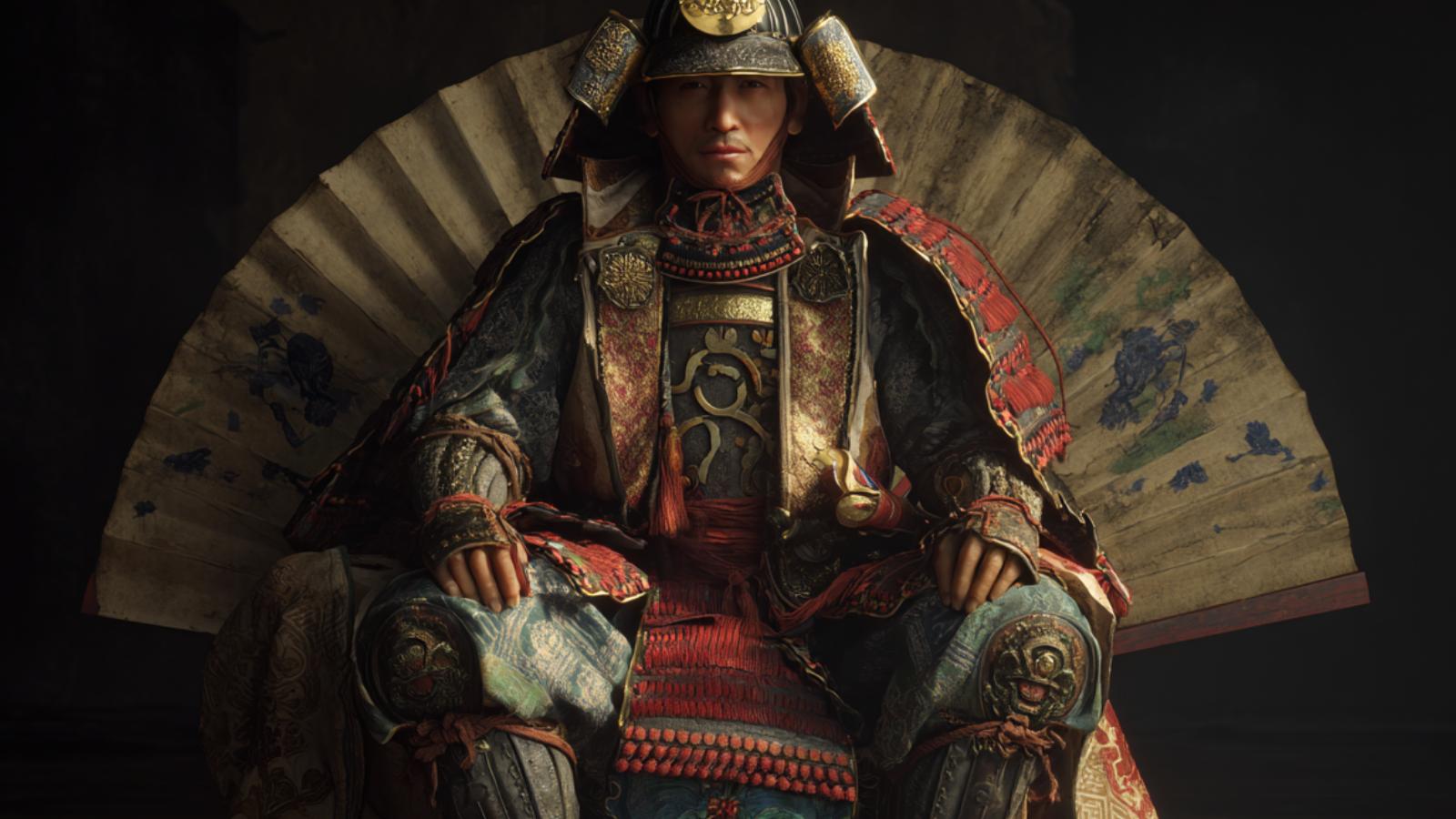
“武士としての誇りを持って戦う。”
— Fight with the pride of a warrior.

| Lead 統率 |
Valor 武勇 |
Intel 知略 |
Pol 政治 |
|---|---|---|---|
| 78 | 70 | 82 | 76 |
| Name (JP) | 伊達 秀宗 |
|---|---|
| Title | Daimyo |
| Clan / Force | Date Clan |
| Era | 1567 – 1636 |
| Origin | Mutsu |
| Key Battles | |
| Arts | Noh Theatre |
About Date Hidemune
His early years were marked by the turbulence of the late Sengoku period when Japan was embroiled in constant warfare.
Hidemune succeeded his father, Date Terumune, at a young age and was thrust into the complexities of samurai politics and rivalries.
Despite his youth, he was determined to live up to the of his family and carve a significant place in history.
Hidemunes was closely tied to the political landscape of Japan during the late 16th century.
He played a crucial role in the campaign against the Uesugi clan, showcasing his ability to command and inspire his troops.
His strategic prowess caught the attention of powerful leaders, leading to his alliances with key figures like Tokugawa Ieyasu.
His success in consolidating the Date clans power laid the foundation for his future as a respected daimyo, allowing him to rule over substantial territories in the Tōhoku region.
Throughout his life, Hidemune engaged in numerous that tested his capabilities as both a leader and a warrior.
His most notable engagement was in the Battle of Sekigahara in 1600, where he supported Ieyasus forces.
Although the battle was a turning point in Japanese history, Hidemunes participation solidified his status as a reliable ally of the Tokugawa shogunate.
His leadership qualities were further demonstrated during local skirmishes, and he was recognized for his ability to adapt tactics to the flowing nature of conflict and maintain the loyalty of his clan.
Additionally, he utilized his understanding of Noh Theatre to inspire and rally his troops with the cultural background of the samurai code.
Hidemunes is one of strategic intellect and cultural patronage, intertwined with the expansion of the Date clan’s influence in the early Edo period.
His contributions to governance and involvement in the arts left a lasting impact on his region.
Even after his death in 1636, he continued to be celebrated for his valor and leadership, making him a significant figure in samurai history.
Recognized as a capable strategist and a protector of the people, Date Hidemune remains a prominent historical figure who symbolizes the virtues of the samurai ethos in a time of transformation for Japan.








comment