
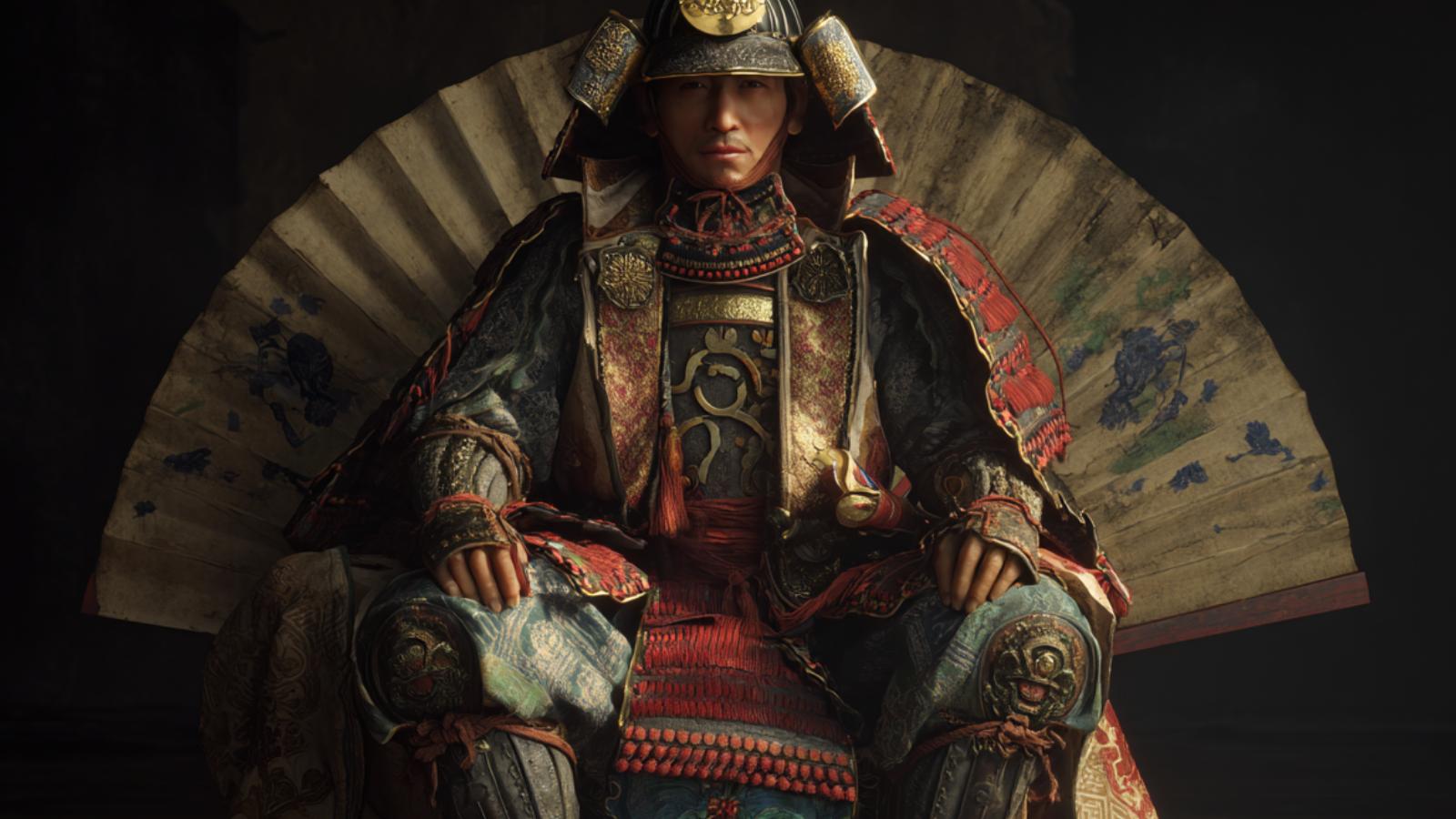
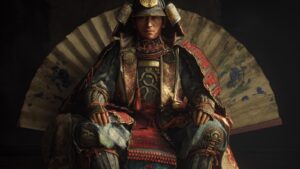
“君のために戦うこと、私の喜びである。”
— To fight for you is my joy.

| Lead 統率 |
Valor 武勇 |
Intel 知略 |
Pol 政治 |
|---|---|---|---|
| 70 | 65 | 75 | 60 |
| Name (JP) | 諏訪 頼忠 |
|---|---|
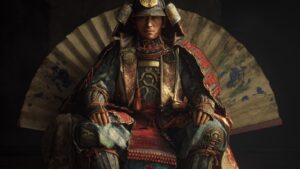
| Title | Daimyo |
| Clan / Force | Takeda Clan |
| Era | 1545 – 1601 |
| Origin | Suwa |
| Key Battles | |
| Arts | Martial Arts |
About Suwa Yoritada
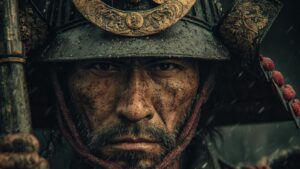
He hailed from the Suwa clan, a prominent family descended from the Kanto region’s Shugo, who were regional military governors.
As a child, Yoritada was trained in martial arts, tactics, and the arts of governance, preparing him for a life of leadership that would follow.
His upbringing was deeply influenced by the turbulent era of the Sengoku period, where constant warfare shaped the landscape of samurai culture.
Yoritada rose to prominence amidst the chaos of the Sengoku period, where he demonstrated notable leadership qualities that earned him respect among his peers.
He began his journey as a retainer, gradually proving his mettle in various conflicts.
Under the influence of powerful daimyos, he formed crucial alliances while strategically expanding his territory.
His adeptness in both political maneuvering and battlefield tactics established him as a key figure in the region, eventually leading him to the of daimyō.
Yoritadas efforts in consolidating power in Suwa Province were instrumental for the subsequent stability of his domain.
Throughout his life, Yoritada participated in several significant that tested his military capabilities.
Notable conflicts include skirmishes against the Takeda clan, where his tactical approaches helped maintain the autonomy of Suwa Province.
Yoritada faced many challenges, including invasions from neighboring daimyos, but his ability to inspire loyalty in his troops allowed him to secure victories that reinforced his influence in the region.
His bravery on the battlefield earned him the respect and admiration of both allies and enemies alike, marking him as a capable general in a time of strife.
The of Suwa Yoritada extends beyond his military accomplishments.
He is remembered for his contributions to the governance and cultural life of Suwa Province.
He was a patron of the arts, especially martial arts, promoting their practice among his samurai and the local population.
His efforts in establishing a code of conduct for his retainers set a standard for loyalty and duty, traits that would be revered in the samurai tradition.
After his death in 1601, Yoritada became a symbol of regional pride, with his actions and leadership style leaving a lasting impact on the samurai culture of the era.
comment