
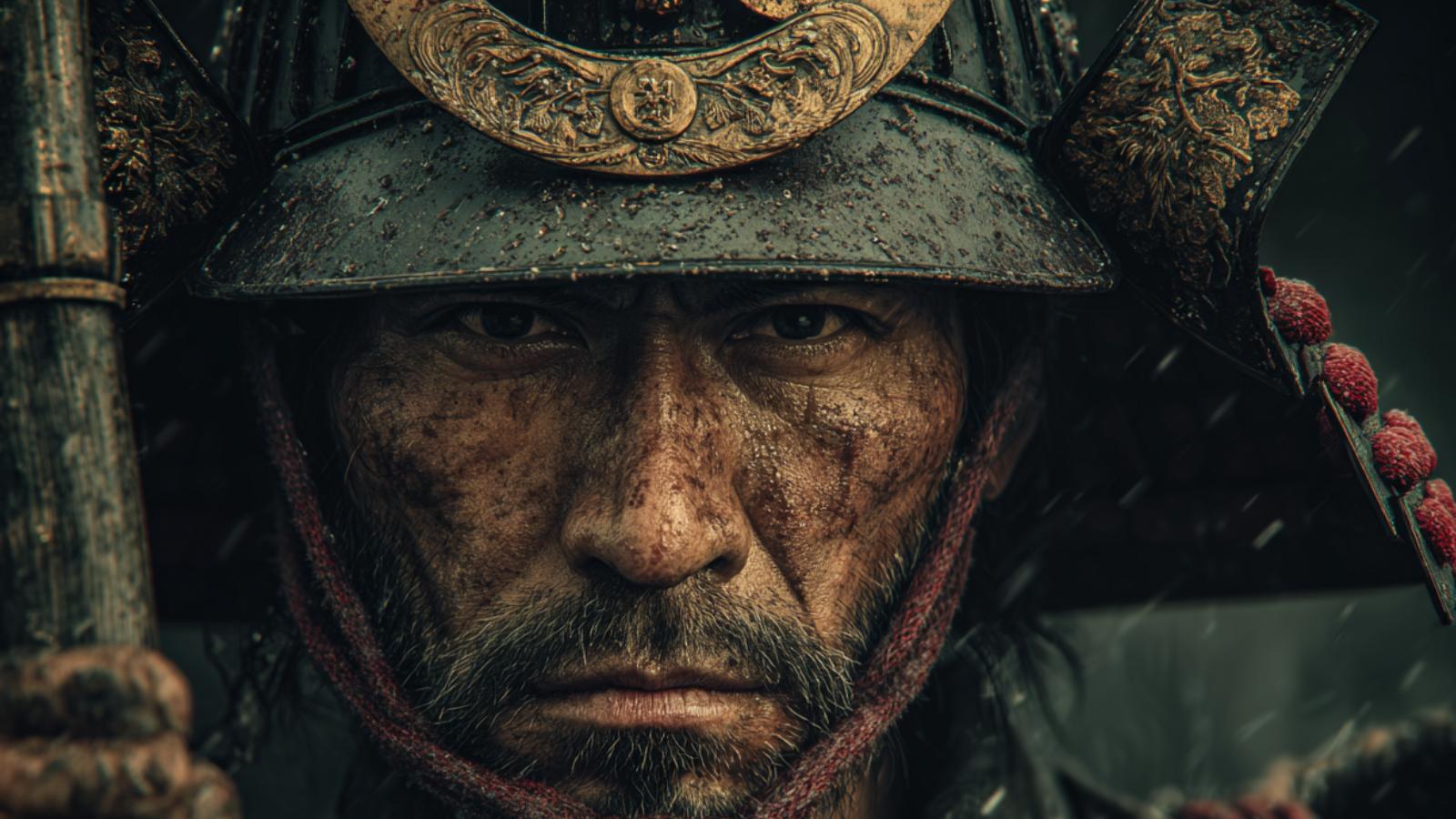
“刀の音が、運命を決める。”
— The sound of the blade determines fate.

| Lead 統率 |
Valor 武勇 |
Intel 知略 |
Pol 政治 |
|---|---|---|---|
| 77 | 82 | 68 | 55 |
| Name (JP) | 異才 平次 |
|---|---|
| Title | Chief Retainer |
| Clan / Force | Unknown |
| Era | 1560 – 1620 |
| Origin | Mutsu |
| Key Battles | |
| Arts | Noh Theatre |
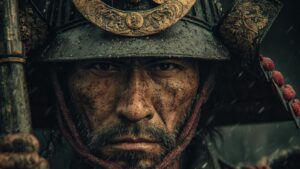
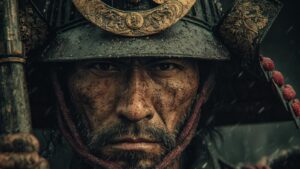
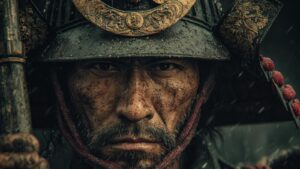
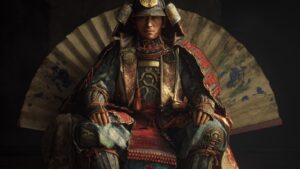
About Isai Heiji
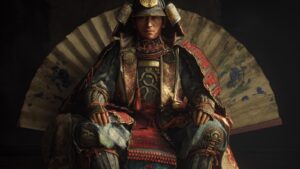
Raised in a samurai family, he was taught the ways of the sword and strategies of warfare from a young age.
His upbringing instilled a strong sense of duty and honor in him, distinguishing him among his peers as a promising warrior with a deep appreciation for the arts, especially Noh Theatre, where he would later find inspiration to balance his martial skills with cultural sophistication.
As a young samurai, Heiji quickly made a name for himself in the service of the local daimyo.
His leadership qualities shone through as he commanded small units in various skirmishes against rival clans.
Heijis valor in battle earned him the respect of his peers, and after several notable victories, he ascended to the rank of Chief Retainer.
This reflected not only his martial prowess but also his ability to unite and inspire his troops in periods of strife.
His reputation grew, leading him to play pivotal roles in several key of the era.
Throughout his career, Heiji fought valiantly in numerous representative of the Sengoku periods ferocity.
His most famed battle occurred during the Siege of Koriyama, where he demonstrated exceptional command in dire circumstances.
Leading a surp attack against the enemy’s left flank, he was able to turn the tide of battle.
However, his strategic insight was sometimes overshadowed by his passion for combat, which limited his further in political power.
His tactical decisions, though effective, did not always consider broader implications in the shifting alliances of his time.
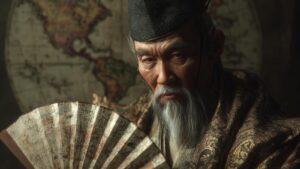
Isai Heiji’s is marked by his duality as both a warrior and an artist.
After retiring from the battlefield, he dedicated his life to the promotion of Noh Theatre, thereby preserving the cultural heritage of the samurai class.
Heijis poetic wisdom and commitment to the arts bridged the gap between the warrior mentality and the cultural richness of Japan.
Even today, he is remembered not only for his superior combat skills but also for his contribution to Japanese cultural life, reflecting the complexity of samurai identity during the Edo period.
comment