
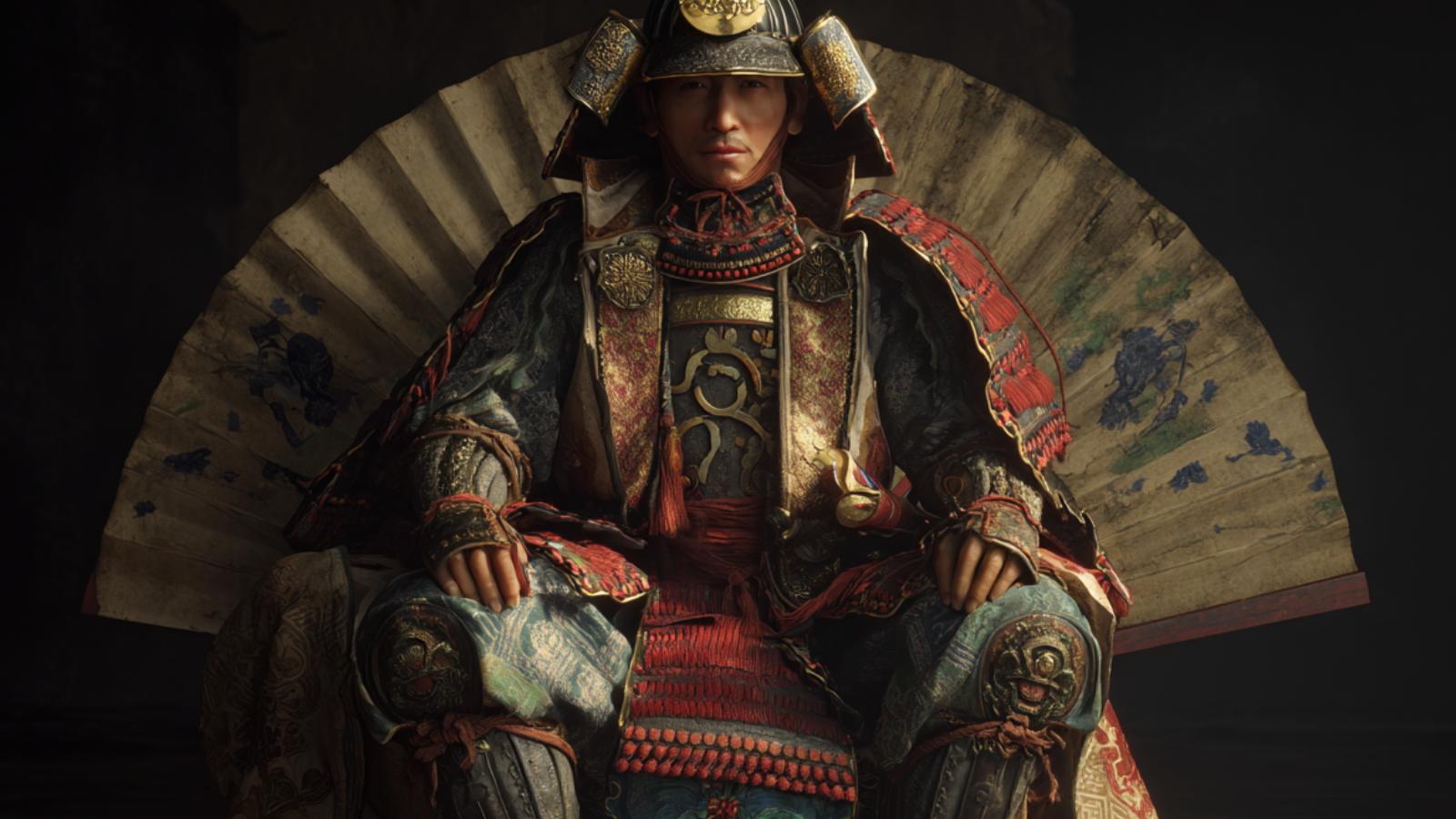
“名誉のために戦うことが、真の武士の道である。”
— To fight for honor is the true way of the warrior.

| Lead 統率 |
Valor 武勇 |
Intel 知略 |
Pol 政治 |
|---|---|---|---|
| 78 | 65 | 70 | 60 |
| Name (JP) | 大久保 忠隣 |
|---|---|
| Title | Daimyo |
| Clan / Force | Matsudaira Clan |
| Era | 1572 – 1640 |
| Origin | Daiyūzan |
| Key Battles | |
| Arts | Noh Theater |
About Okubo Tadachika
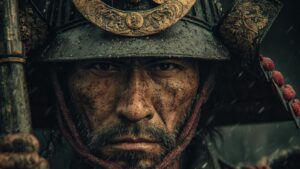
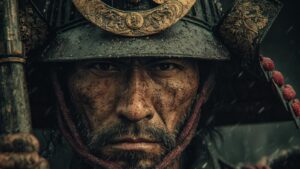
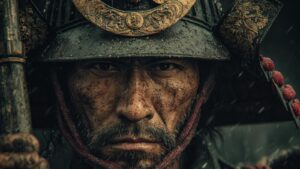
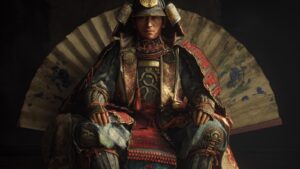
Coming from a samurai lineage, he was raised with the principles of bushido and a deep honor for his responsibilities as a warrior.
His early education included martial arts, literature, and strategy, which would later influence his career during the turbulent Sengoku period.
As a youth, Tadachika served under various daimyōs and learned the intricacies of warfare and governance.
His loyalty and skills quickly led him to become a trusted retainer.
When the Tokugawa shogunate began to consolidate power, he found favor with Tokugawa Ieyasu, proving himself during key that would define the future of Japan.
Tadachika took part in numerous campaigns against rival clans, showcasing his strategic mind and valor.
His involvement in such as Sekigahara and others solidified his reputation as a capable leader.
Despite facing challenges, he maintained his familys honor and played a part in the Tokugawas ascension to power.
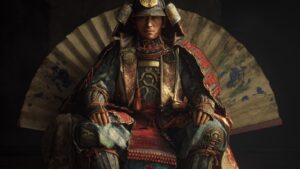
After the establishment of the Tokugawa shogunate in 1603, Okubo Tadachika was awarded lands and s, becoming a prominent daimyō.
His contributions to the stability of the new regime were recognized, and he is remembered as a loyal and honorable samurai.
His philosophy regarding the honor of the warrior and governance echoed through his descendants, influencing samurai culture for generations to come.
comment