
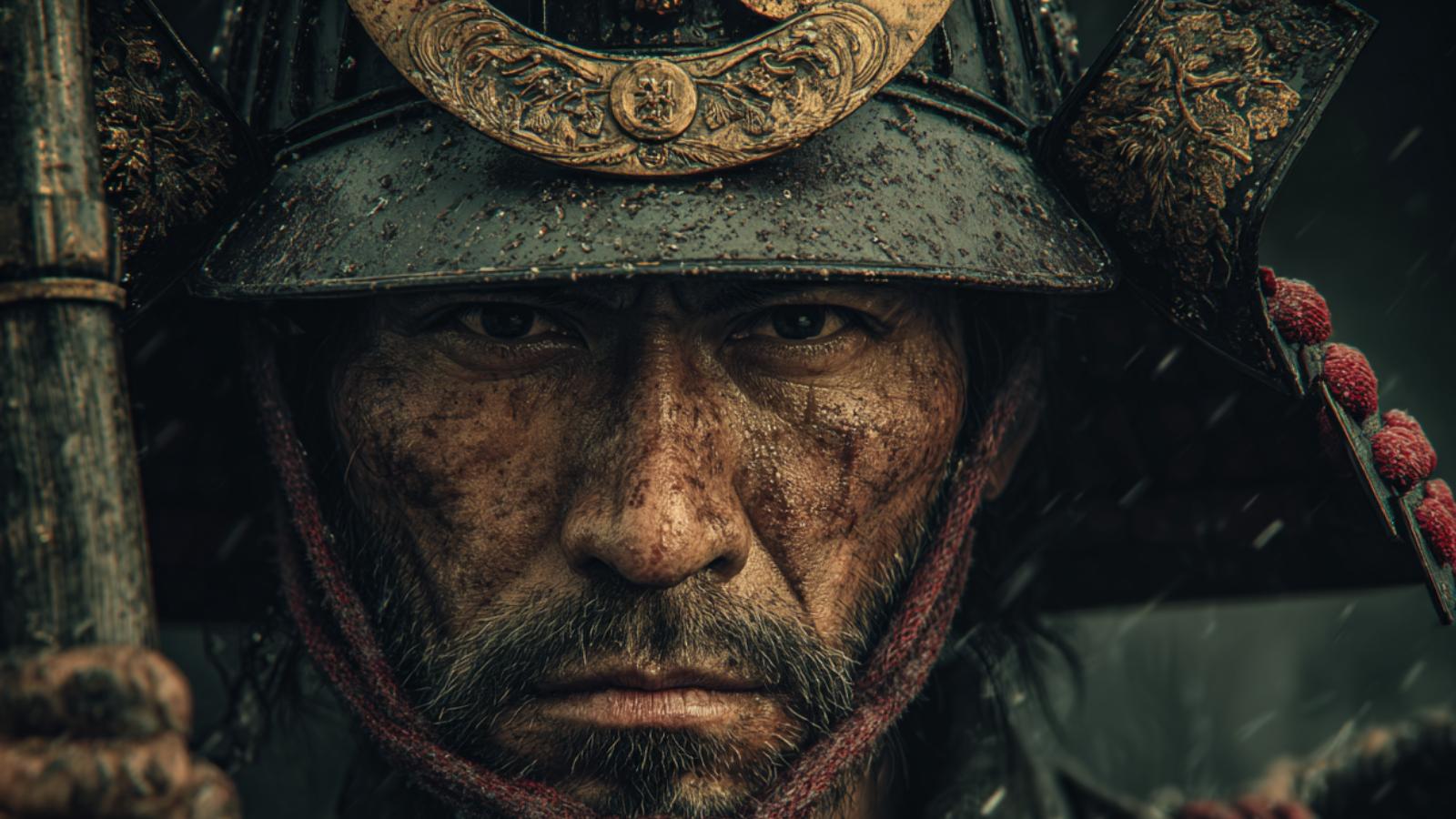
“歴史は力のある者が作り出す。”
— History is created by those who hold power.

| Lead 統率 |
Valor 武勇 |
Intel 知略 |
Pol 政治 |
|---|---|---|---|
| 66 | 70 | 72 | 65 |
| Name (JP) | 安田 作兵衛 |
|---|---|
| Title | General |
| Clan / Force | Unknown |
| Era | 1852 – 1920 |
| Origin | Tosa |
| Key Battles | |
| Arts | Naginata |
About Yasuda Sakubei
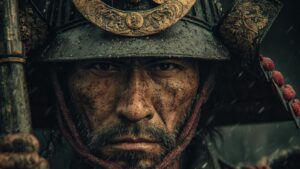
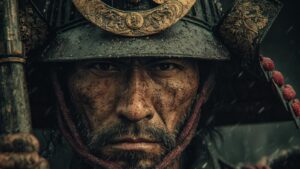
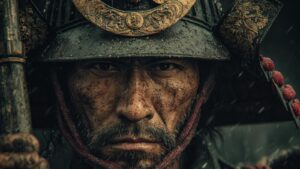
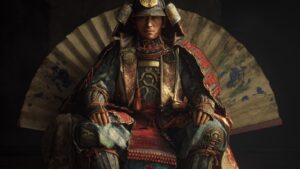
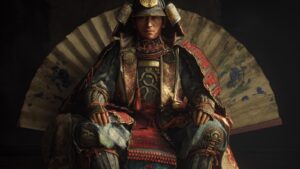
From a young age, Yasuda was drawn to the martial arts, cultivating a deep respect for the traditions of the samurai.
His family lineage traced back to respected samurai, which instilled a strong sense of duty and honor in Yasuda.
As tensions rose in Japan leading to the Meiji Restoration, Yasuda found himself amidst the conflict between the ruling Tokugawa shogunate and the imperial loyalists.
He took up arms in defence of the emperor, quickly rising through the ranks due to his proficient tactical skills and leadership capabilities.
His ability to inspire troops and coordinate efforts on the battlefield set him apart from his peers.
Yasuda fought in numerous during the Boshin War, participating in key engagements that would determine the future of Japan.
He displayed exceptional leadership during the Battle of Toba-Fushimi, where his formation strategies played a vital role in achieving victory for the imperial forces.
His bravery in combat earned him respect among his followers, and he became known for his skill with the naginata, a traditional weapon of the samurai.
After the Restoration, Yasuda transitioned into a life of governance and diplomacy, applying his leadership skills to help shape the new Japan.
He retrained many former samurai in modern military tactics, ensuring that the values of discipline and honor continued to permeate the new armed forces.
Yasuda Sakubei is remembered not only for his contributions on the battlefield but also for his enduring belief that history is crafted by those who seize power.
comment