
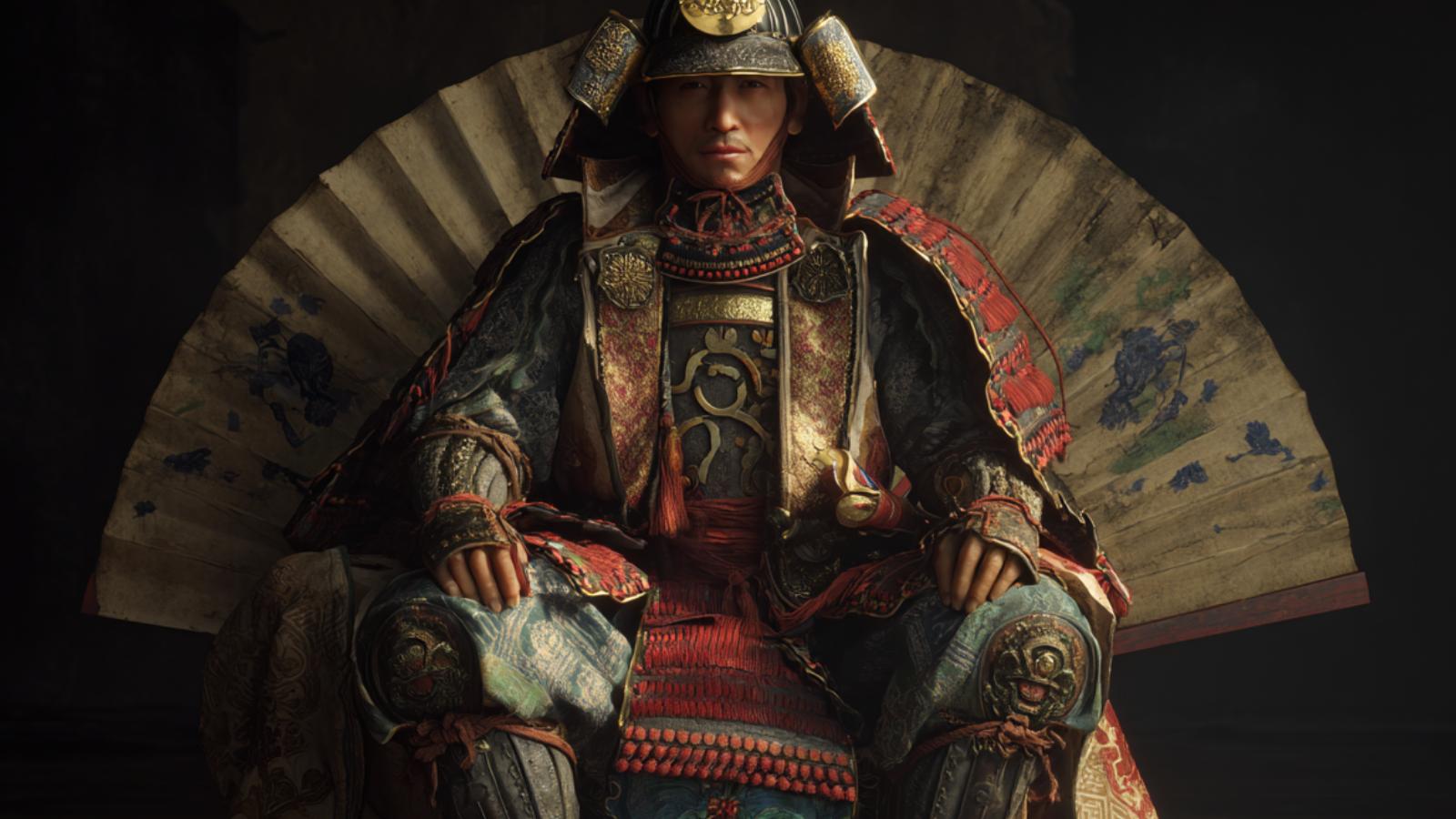
“戦に勝つためには、まず心を整えよ。”
— To win in battle, one must first calm the heart.

| Lead 統率 |
Valor 武勇 |
Intel 知略 |
Pol 政治 |
|---|---|---|---|
| 75 | 70 | 80 | 65 |
| Name (JP) | 根岸 兎角 |
|---|---|
| Title | Daimyo |
| Clan / Force | Unknown |
| Era | 1560 – 1640 |
| Origin | Musashi |
| Key Battles | |
| Arts | Calligraphy |
About Negishi Tokaku
Growing up in a samurai family, he was trained in the arts of war and strategy from a young age.
His father, a loyal retainer to a local lord, instilled in him the values of honor and discipline.
As a child, Tokaku showed a particular talent for strategy and tactics, often engaging in mock with friends.
This early exposure to warfare would shape his future endeavors as a military leader.
As Tokaku matured, he gained recognition for his valor and intelligence.
In his early twenties, he began to serve under a notable daimyo and quickly rose through the ranks due to his bravery and successful command in various skirmishes.
His ability to unite lesser clans under a common cause drew the attention of higher-ranking lords, and soon he was appointed as a chief retainer with significant responsibilities.
His talents in governance were also noted, allowing him to manage territories effectively and maintain peace among his vassals.
Throughout his career, Tokaku participated in numerous during the Sengoku period, showcasing his tactical acumen.
His most famous engagement was at the Battle of Sekigahara, where he played a crucial role in securing victory for his side.
He also faced challenges from rival clans and demonstrated remarkable skill in both combat and strategy.
Though he occasionally shifted alliances, his loyalty was never in question, leading to lasting relationships with other powerful samurai of the time.
Negishi Tokakus is remembered in history for his contributions to the consolidation of power during the chaotic years of the Sengoku period.
He later became a daimyo, further strengthening his familys status and ensuring the prosperity of his people.
In the years following his death in 1640, tales of his bravery and intelligence inspired generations of samurai.
Today, he is celebrated as a capable general whose strategic mind and leadership skills left a significant mark on Japanese history.









comment