
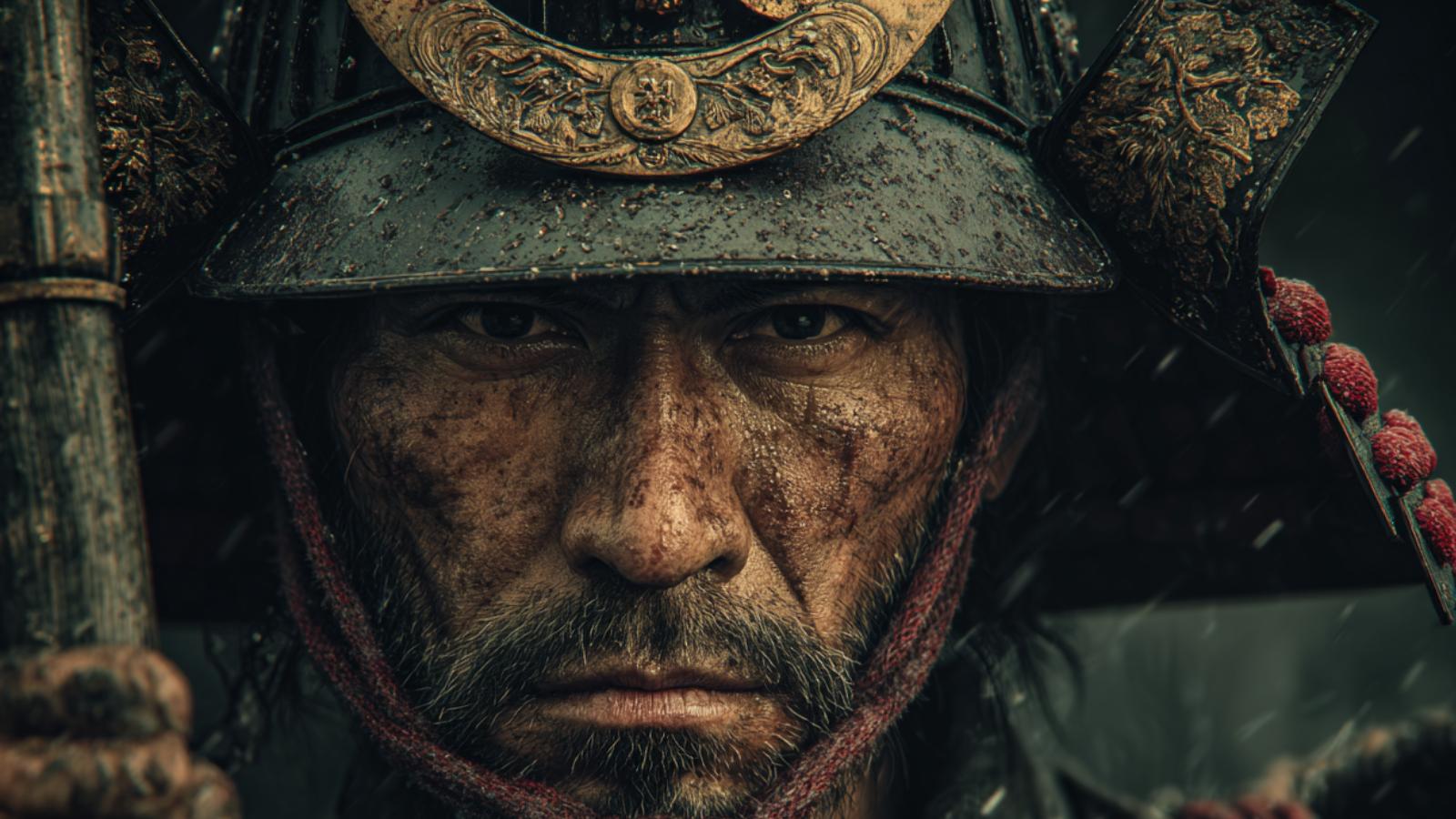
“仇討ちのその日まで、帰ることはできない。”
— Until the day of revenge, I cannot return.

| Lead 統率 |
Valor 武勇 |
Intel 知略 |
Pol 政治 |
|---|---|---|---|
| 85 | 75 | 90 | 80 |
| Name (JP) | 大石 内蔵助 |
|---|---|
| Title | Chief Retainer |
| Clan / Force | Asano Clan |
| Era | 1660 – 1703 |
| Origin | Mitsuke |
| Key Battles | |
| Arts | Noh Theatre |
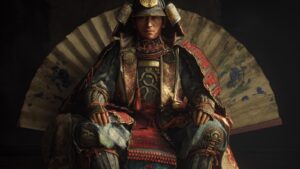
About Oishi Kuranosuke
His formative years were marked by a rigorous education in the arts of war and governance, instilling in him the virtues that defined many samurai.
Oishi was not just skilled in combat; he was also adept in the cultural arts, such as Noh Theatre.
As a young samurai, Oishi quickly established himself as a capable retainer, gaining the trust of his lord, Asano Naganori.
His strategic mind and ability to lead others were evident, earning him the of Chief Retainer.
The tranquility of his life was shattered when Asano was compelled to commit seppuku after an incident with the court official Kira Yoshinaka, which led to Oishis determination to seek justice for his lord.
Following the death of Asano, Oishi gathered a group of 47 loyal samurai who became known as the 47 Ronin.
Under his leadership, they meticulously plotted their revenge against Kira.
Demonstrating remarkable intelligence and valor, Oishi orchestrated a daring attack on Kiras mansion, showcasing not only his combat skills but also his ability to inspire unity and courage among his men.
After successfully avenging his lord, he and his men chose to commit seppuku, preserving their honor.
Oishi Kuranosukes dedication to his lord and his strategic prowess have made him an enduring symbol of loyalty and bushido.
His story has been immortalized in countless plays, films, and literature, serving as a powerful reminder of the samurais code.
He remains a revered figure in Japanese history, exemplifying the noblest qualities of a samurai warrior.
His life and actions continue to inspire those who value honor and dedication above material gains.





comment