
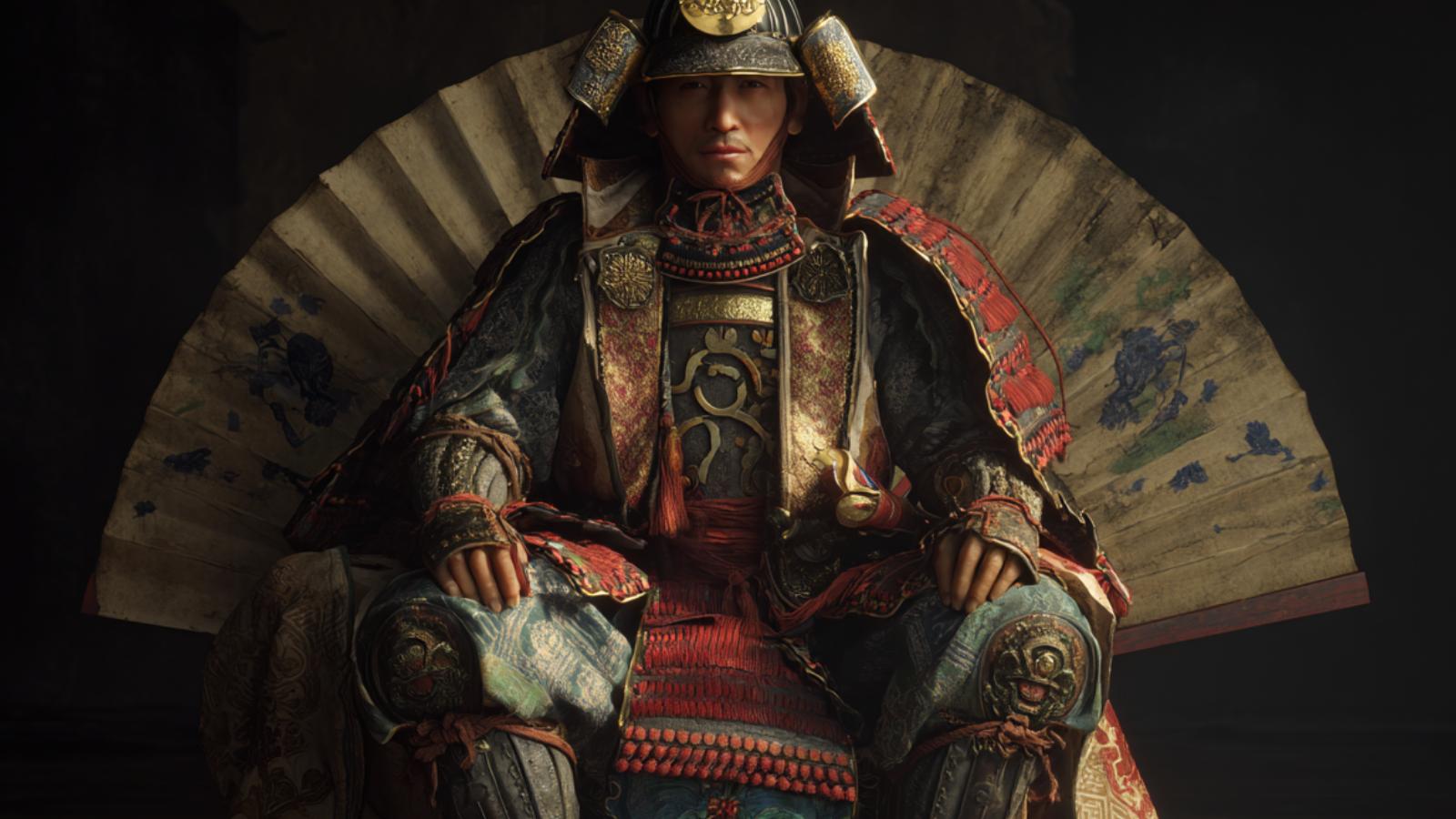
“忠義を胸に、戦うのみ。”
— With loyalty in my heart, I fight.

| Lead 統率 |
Valor 武勇 |
Intel 知略 |
Pol 政治 |
|---|---|---|---|
| 75 | 70 | 65 | 60 |
| Name (JP) | 吉弘 統幸 |
|---|---|
| Title | Daimyo |
| Clan / Force | Unknown |
| Era | 1540 – 1616 |
| Origin | Higo |
| Key Battles | |
| Arts | Calligraphy |
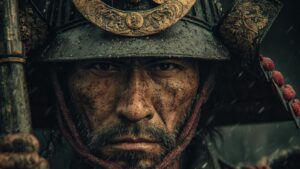
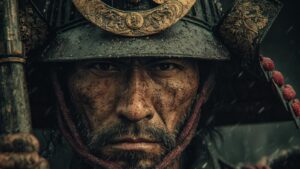
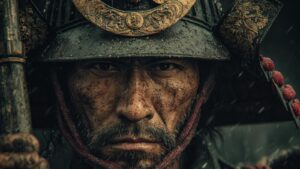
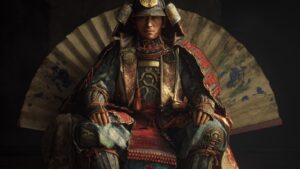
About Yoshihiro Muneyuki
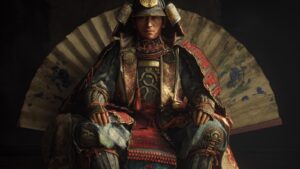
Coming from a lineage of shugo, or regional lords, he was raised amidst the military and political chaos of the Sengoku period.
From a young age, he was exposed to the intricacies of samurai culture and governance, which heavily influenced his development as a future leader.
His family was known for their loyalty to the ruling powers and placed a significant emphasis on both martial prowess and the arts, particularly calligraphy, which Muneyuki pursued passionately.
In his early twenties, Yoshihiro began to make a name for himself as a capable retainer for his lord.
His adeptness in military strategy and his impressive skills in personal combat gradually earned him recognition.
During conflicts in Higo, he demonstrated his bravery and tactical skill, which led to his ascendancy as a trusted commander.
Over the years, he distinguished himself in several key, navigating the ever-shifting allegiances of the Sengoku landscape.
His loyalty to his lord further solidified his position as a respected figure among his peers.
Yoshihiro fought in multiple engagements throughout his career, often leading small but effective forces against larger armies.
His ability to inspire his troops and execute clever strategies during skirmishes allowed him to achieve notable victories despite being outnumbered.
Although he was not as renowned as some of his contemporaries, his contributions were significant in maintaining the stability of his province during a time of great upheaval.
His valor in the face of adversity and unwavering loyalty to his lord left a lasting impact on those who fought alongside him.
After his death in 1616, Yoshihiro Muneyuki’s continued through the tales of his steadfastness and dedication to the samurai code.
His descendants carried on his as loyal retainers, and his contributions to the culture of Higo, particularly in the arts, were remembered fondly.
Today, he is recognized as a capable general whose service helped shape the region during one of Japans most challenging periods.
comment