
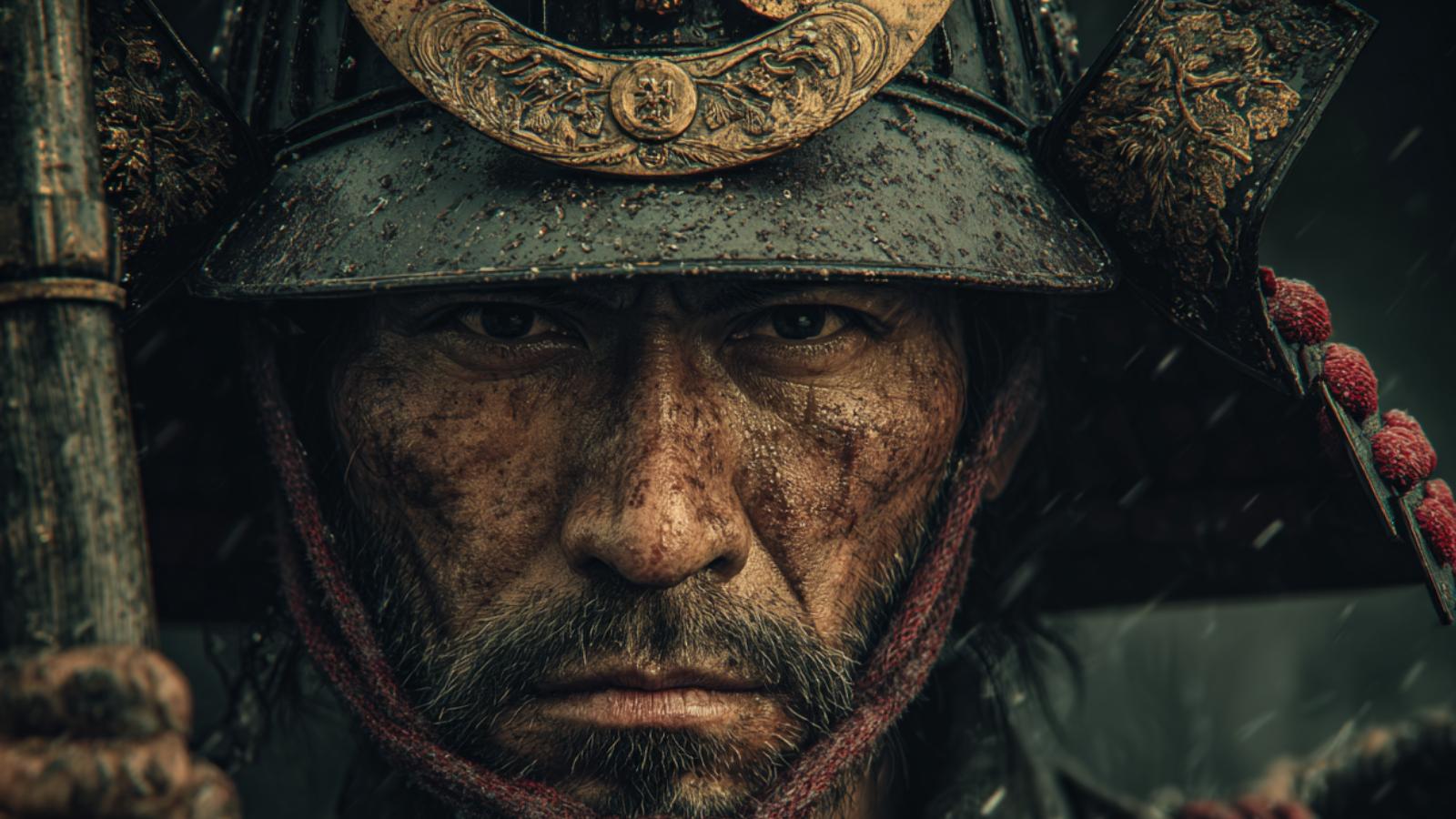
“誠心誠意、何事も恐れずに。”
— With sincere heart and mind, fear nothing.

| Lead 統率 |
Valor 武勇 |
Intel 知略 |
Pol 政治 |
|---|---|---|---|
| 75 | 70 | 82 | 85 |
| Name (JP) | 大岡 忠相 |
|---|---|
| Title | Karo |
| Clan / Force | Edo period administration |
| Era | 1702 – 1762 |
| Origin | Echizen |
| Key Battles | |
| Arts | Calligraphy |
About Ooka Tadasuke
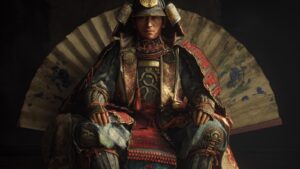
Coming from a samurai lineage, Tadasuke was groomed from a young age in the ways of bushido, the samurai code of honor.
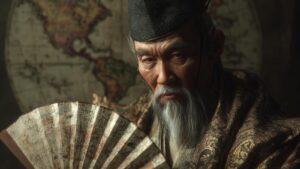
He demonstrated exceptional intellectual capabilities early in his life, showing a keen interest in governance and the arts, particularly calligraphy, which would later influence his diplomatic style.
Tadasuke’s through the ranks began when he joined the service of the Matsudaira clan.
His leadership abilities quickly became evident; he was noted for his strategic thinking and ability to command respect among his peers.
Ascending to the of Karo, or chief retainer, he played a crucial role in advising the clan leader, showcasing his political acumen and dedication to the stability of the province.
Although Ooka Tadasuke is not primarily remembered for his martial prowess, he participated in skirmishes aimed at protecting the interests of the Matsudaira clan.
His valor in these encounters was marked more by his courage and sense of duty than by personal combat victories.
Tadasuke took great care in ensuring the welfare of his troops and was known for his ethical treatment of enemy combatants, gaining a reputation for fairness that resonated throughout the province.
Ooka Tadasukes influence extended beyond the battlefield into the realms of governance and diplomacy.
He was a proponent of trade and education, contributing to the prosperity of Echizen province during the Edo period.
His belief in sincerity and fearlessness set a standard for future generations of samurai.
Even after his death in 1762, Tadasuke’s philosophies and teachings continued to inspire samurai and retainers, solidifying his as a capable and honorable leader.




comment