
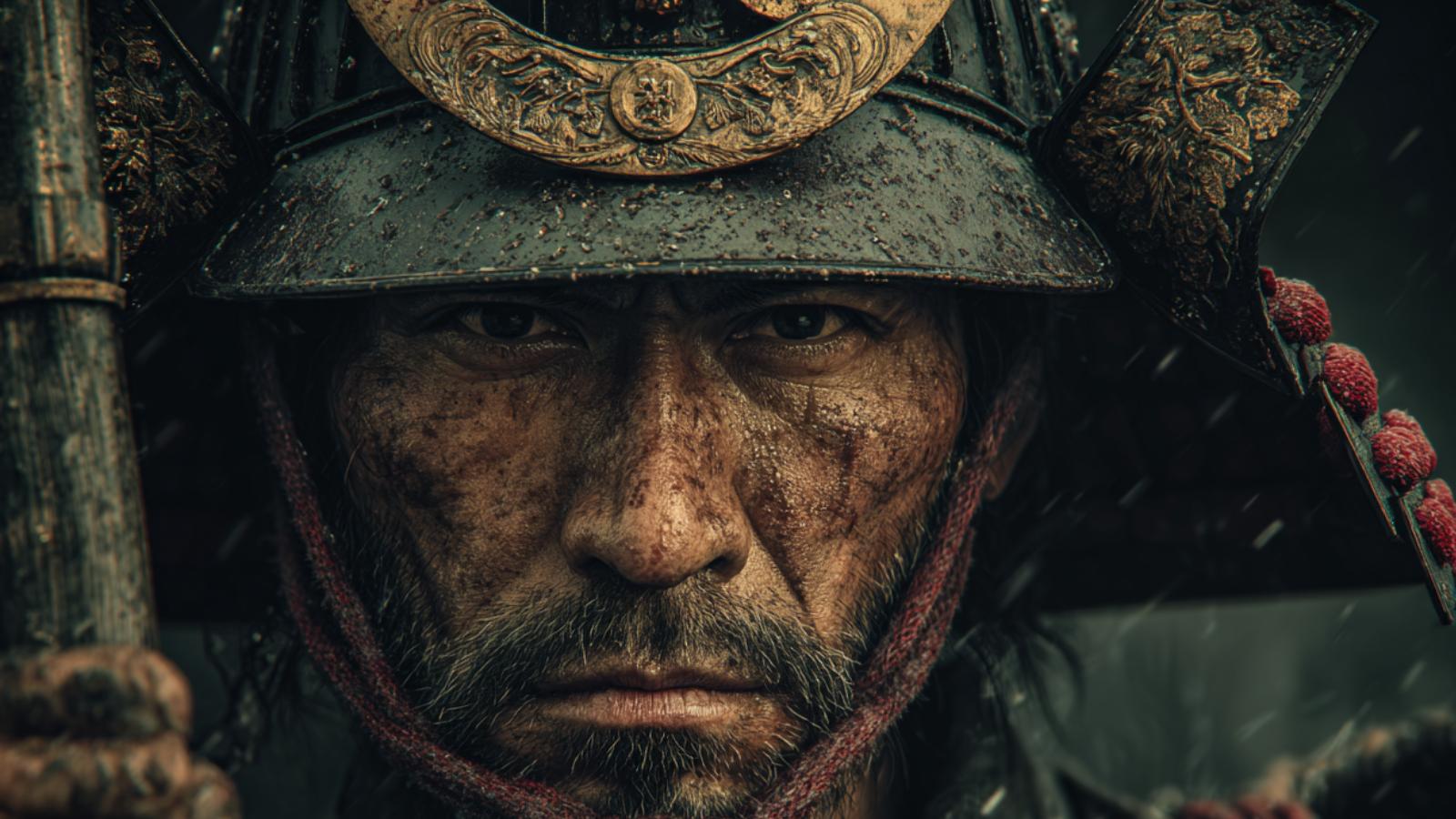
“学びて思わざれば、すなわち学ぶことなく思うことなかれ。”
— Without learning, one should not attempt to think.

| Lead 統率 |
Valor 武勇 |
Intel 知略 |
Pol 政治 |
|---|---|---|---|
| 75 | 50 | 88 | 92 |
| Name (JP) | 新井 白石 |
|---|---|
| Title | Confucian Scholar |
| Clan / Force | Tokugawa Shogunate |
| Era | 1657 – 1725 |
| Origin | Mikawa |
| Key Battles | |
| Arts | Literature, Philosophy |
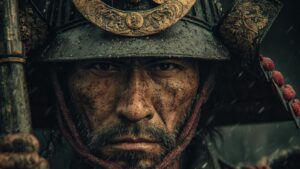
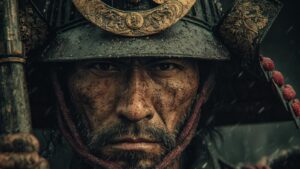
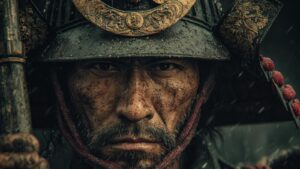
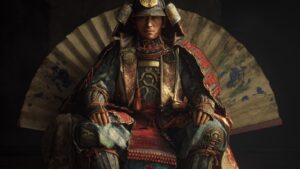
About Arai Hakuseki
From a young age, he showed a keen intellect and a passion for knowledge, influenced by the Confucian principles that would guide much of his work later in life.
His family, though of humble warrior lineage, prioritized education, allowing Hakuseki to pursue his studies vigorously.
Hakusekis in the ranks of Edo-period Japan was marked by his appointment as a chief advisor to the shogunate.
His deep understanding of Confucian philosophy and his impressive writings on history and governance positioned him as a critical figure during a time of relative peace in Japan.
He stressed the importance of moral governance and was an advocate for the practical application of Confucian ideals in politics.
While not a warrior by the traditional samurai standards, Hakuseki fought his through scholarship and diplomacy.
His most notable contributions were in written form, where he tackled complex issues of governance and set a standard for future scholars.
His works, such as Tokugawa Shinto and
comment