
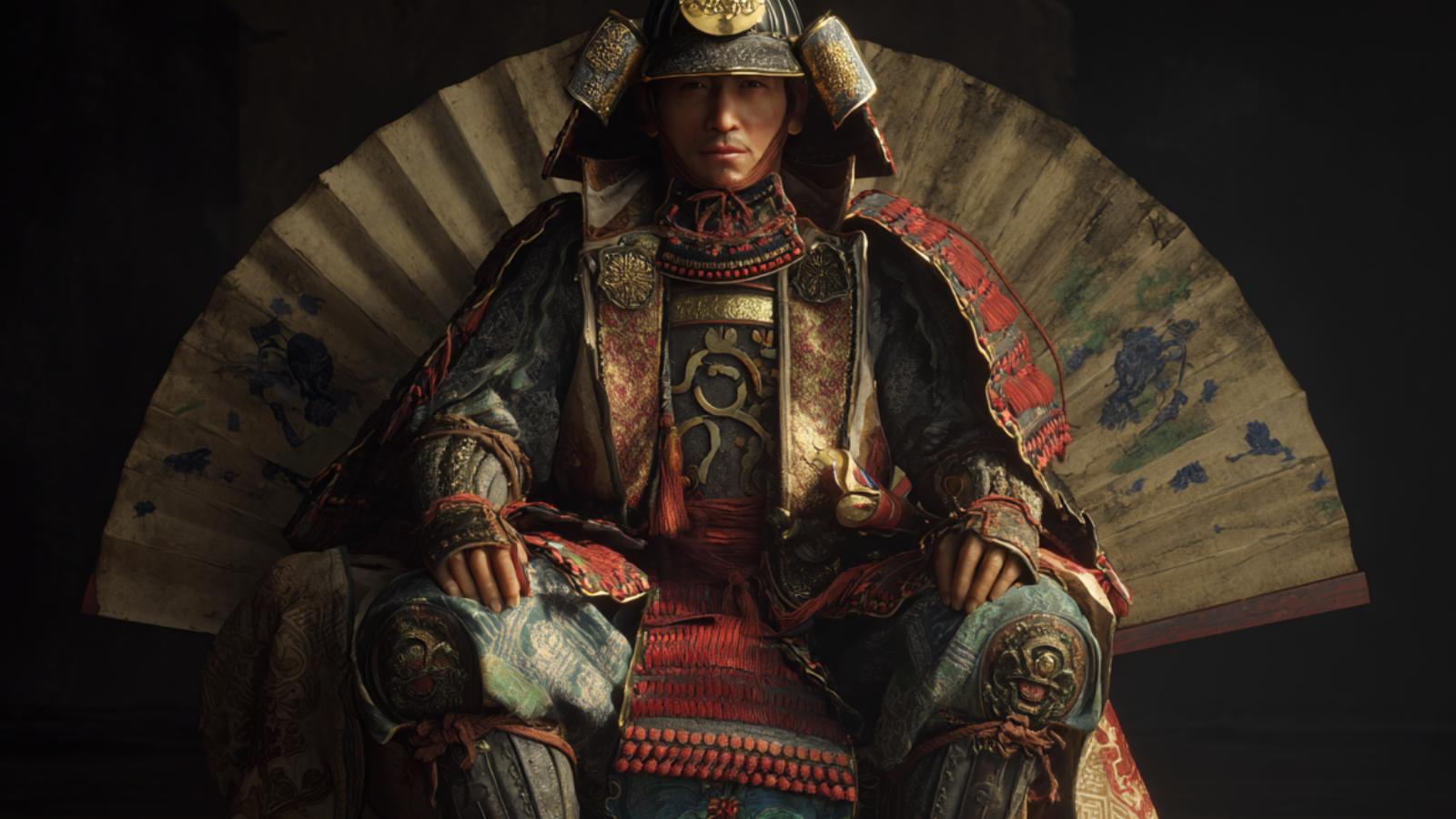
“智恵は最も穏やかな武器である。”
— Wisdom is the most peaceful weapon.

| Lead 統率 |
Valor 武勇 |
Intel 知略 |
Pol 政治 |
|---|---|---|---|
| 75 | 30 | 85 | 90 |
| Name (JP) | 松平 定信 |
|---|---|
| Title | Daimyo |
| Clan / Force | Tokugawa Shogunate |
| Era | 1758 – 1829 |
| Origin | Mikawa |
| Key Battles | |
| Arts | Calligraphy |
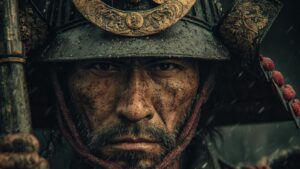
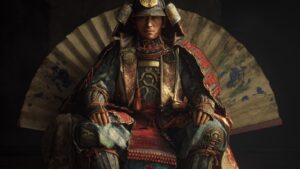
About Matsudaira Sadanobu
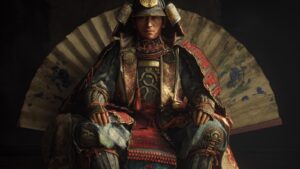
As a child of the samurai class, he was well-educated and immersed in the ideals of loyalty and service, which would shape his later career.
He was raised during a period of relative peace in Japan, which allowed him to focus more on intellectual pursuits than on military training.
Sadanobus began in earnest when he became the lord of the Matsudaira domain in 1791, during the Edo period.
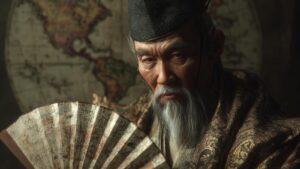
He was recognized for his sharp intellect and capability in governance, leading him to implement various reforms aimed at strengthening his domain.
Sadanobu was particularly known for his focus on fiscal responsibility and education.
He encouraged scholarship and the arts within his territory, believing that a well-informed populace would lead to a stronger state.
While Sadanobu was not a battlefield general and had limited personal combat strength, his strategic thinking and political acumen were notable.
He did not engage in significant, but his decisions and leadership during peacetime helped prevent conflicts and ensured the stability of his domain.
His era is marked more by internal reforms and governance rather than military exploits, showcasing a shift in focus during the late Edo period from war to political management.
Matsudaira Sadanobu left a considerable in Japanese history as a reformer who prioritized education and good governance.
His contributions helped lay the groundwork for future modernization efforts in Japan.
Sadanobu is remembered as a capable and wise leader rather than a warrior, eming the spirit of the samurai that emphasized intellect and service over sheer martial prowess.
comment