
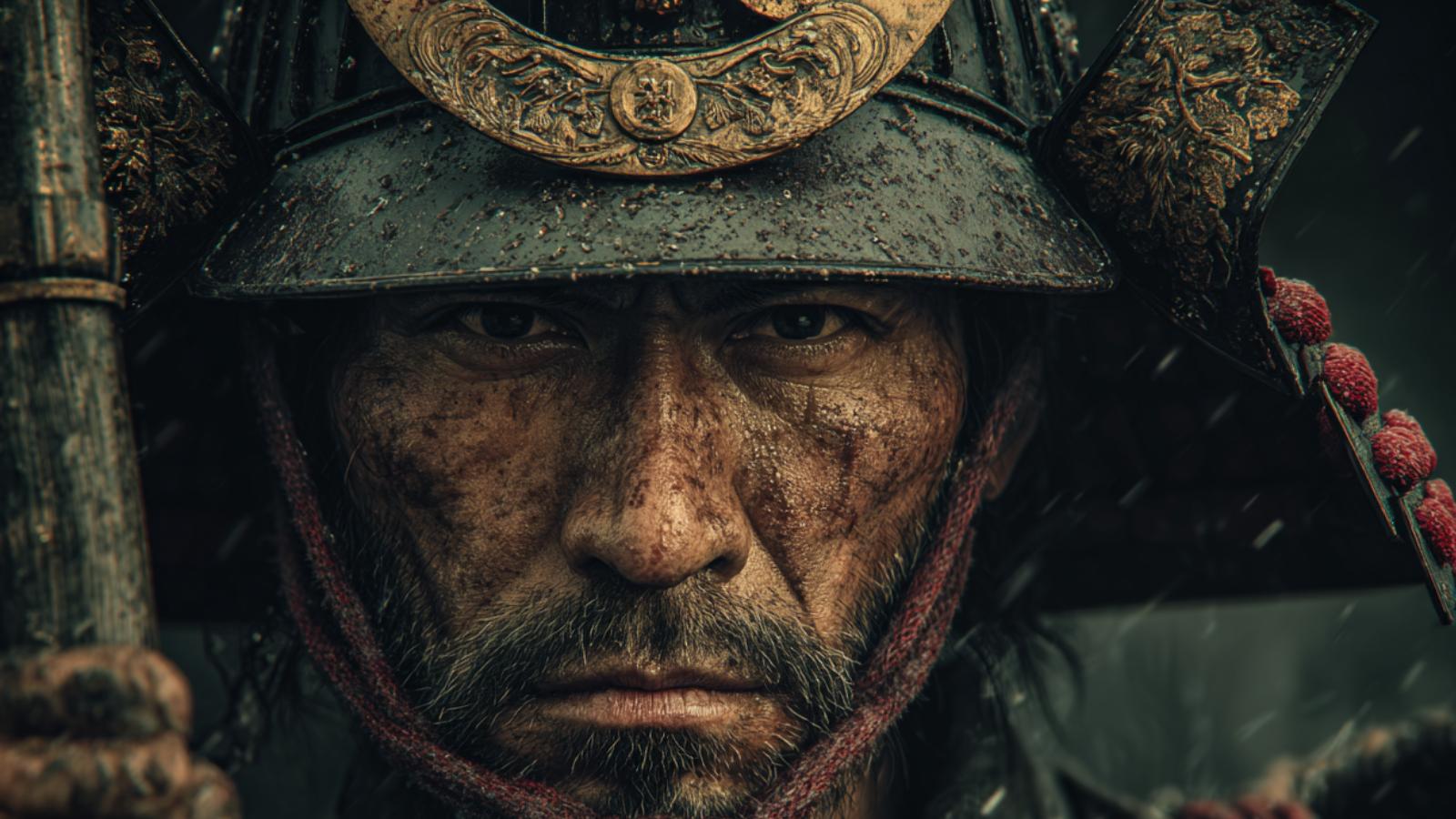
“統一の道は心にあり、知恵が導く。”
— The path to unity lies within the heart, guided by wisdom.

| Lead 統率 |
Valor 武勇 |
Intel 知略 |
Pol 政治 |
|---|---|---|---|
| 55 | 50 | 65 | 70 |
| Name (JP) | 徳川 家継 |
|---|---|
| Title | Shōgun |
| Clan / Force | Tokugawa Clan |
| Era | 1709 – 1716 |
| Origin | Mikawa |
| Key Battles | |
| Arts | Noh Theatre |
About Tokugawa Ietsugu
His was characterized by the pampered upbringing customary for shōgunal heirs, but also by the looming specter of political expectations that accompanied his lineage.
In a court life defined by intrigue and diplomacy, Ietsugu was groomed for leadership, but from a young age, it was clear that his health would be a significant challenge.
Following his fathers death in 1712, Ietsugu ascended to the position of shōgun at just three years old, making him one of the youngest rulers in Japanese history.
His rule was initially overseen by regents and advisors, as he was too young to wield actual power.
This period saw a continuation of policies set out by previous shōguns, but Ietsugus reign would remain largely symbolic due to his youth and recurring health issues.
By this time, the country was relatively stable, allowing Ietsugus handlers to maintain control during his early years.
Unlike other notable leaders in Japanese history, Ietsugus tenure did not involve significant military campaigns or .
His inability to physically lead troops or engage in the martial aspects of governance rendered his reign uneventful in a military sense.
Instead, the administration focused on managing the peace established by the previous shōgunate.
His time as shōgun was marked more by ceremonial events and the arts, particularly Noh theatre, reflective of the eras cultural priorities than by warfare.
Tokugawa Ietsugus tenure ended with his untimely death in 1716 at the age of seven, which led to his younger brother Tokugawa Yoshimune succeeding him.
While Ietsugus influence on military matters was minimal, his reign is remembered as a period that highlighted the stability of the Tokugawa shogunate during peacetime and the importance placed on culture and governance.
His short life serves as a reminder of the complexities of leadership, especially when it is hindered by personal tragedy.









comment