
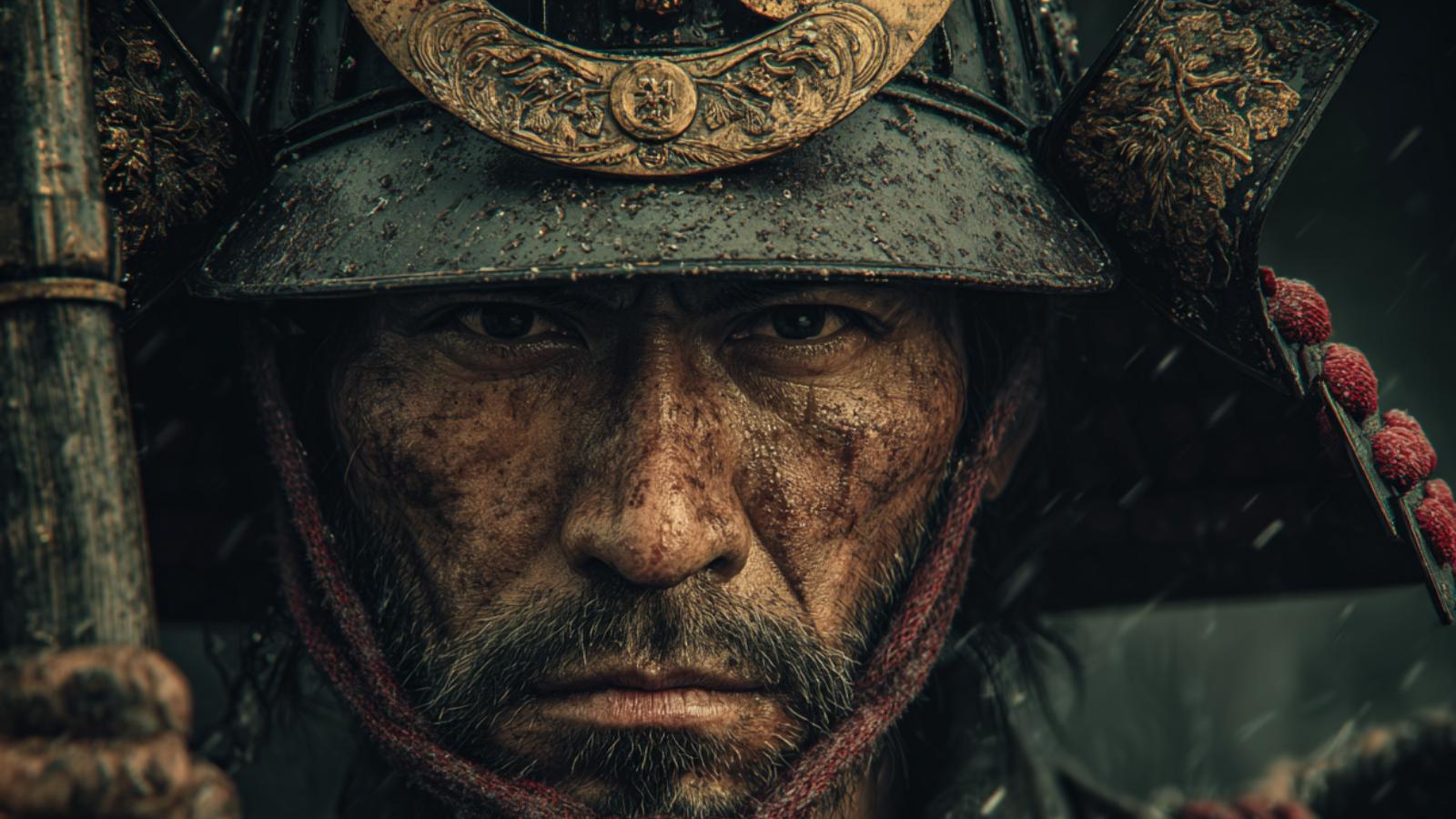
“真の力とは、国を治める知恵である。”
— True power lies in the wisdom to govern the nation.

| Lead 統率 |
Valor 武勇 |
Intel 知略 |
Pol 政治 |
|---|---|---|---|
| 80 | 50 | 85 | 90 |
| Name (JP) | 徳川 家光 |
|---|---|
| Title | Shōgun |
| Clan / Force | Tokugawa Clan |
| Era | 1604 – 1651 |
| Origin | Mikawa |
| Key Battles | |
| Arts | Noh Theatre |
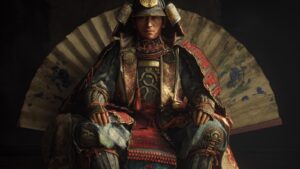
About Tokugawa Iemitsu
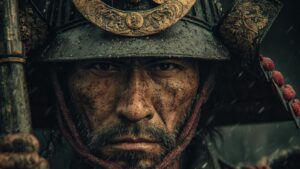
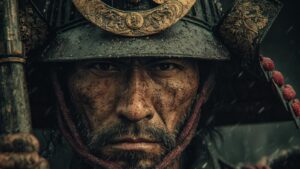
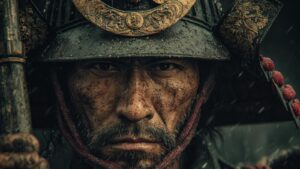
Growing up in the politically charged atmosphere of Edo, he was trained from a young age in both martial and intellectual disciplines crucial for a future leader of the samurai class.
His upbringing instilled in him a profound understanding of governance and the necessity of maintaining stability in a war-torn country.
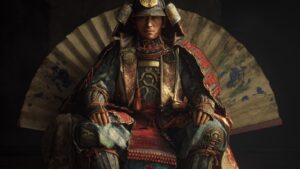
After the death of his father in 1632, Iemitsu ascended to the position of shōgun at the relatively young age of 28.
He was faced with numerous challenges, including internal disputes within the Tokugawa family and potential uprisings from the daimyōs.
Iemitsu quickly established his authority and implemented policies that strengthened central control.
His reign is often marked by the flourishing of the arts, particularly the development of Noh theatre and the promotion of culture which he patronized.
While Iemitsus reign was not characterized by significant military conflicts compared to his predecessors, he did engage in diplomatic struggles and conflicts of authority against powerful daimyōs.
Iemitsus leadership style was often more diplomatic than combative; he utilized strategic marriages and alliances to keep potential rivals in check.
Although his personal combat prowess was not widely recognized, his intellect in handling political affairs was notable.
Tokugawa Iemitsu left a lasting on Japan through the solidification of the Tokugawa shogunates power and influence during his term.
His policies not only stabilized Japan but also set the framework for a lengthy period of peace known as the Edo period.
The cultural and artistic strides made under his rule have had a lasting impact on Japanese society.
Iemitsus dedication to governance and strategy established him as one of the key figures of early modern Japan.
comment