“戦は勝つためにある。”
— Wars exist to be won.

| Lead 統率 |
Valor 武勇 |
Intel 知略 |
Pol 政治 |
|---|---|---|---|
| 75 | 70 | 80 | 70 |
| Name (JP) | 六角 高頼 |
|---|---|
| Title | Daimyo |
| Clan / Force | Rokkaku Clan |
| Era | 1447 – 1528 |
| Origin | Mushi |
| Key Battles | |
| Arts | Ikebana |
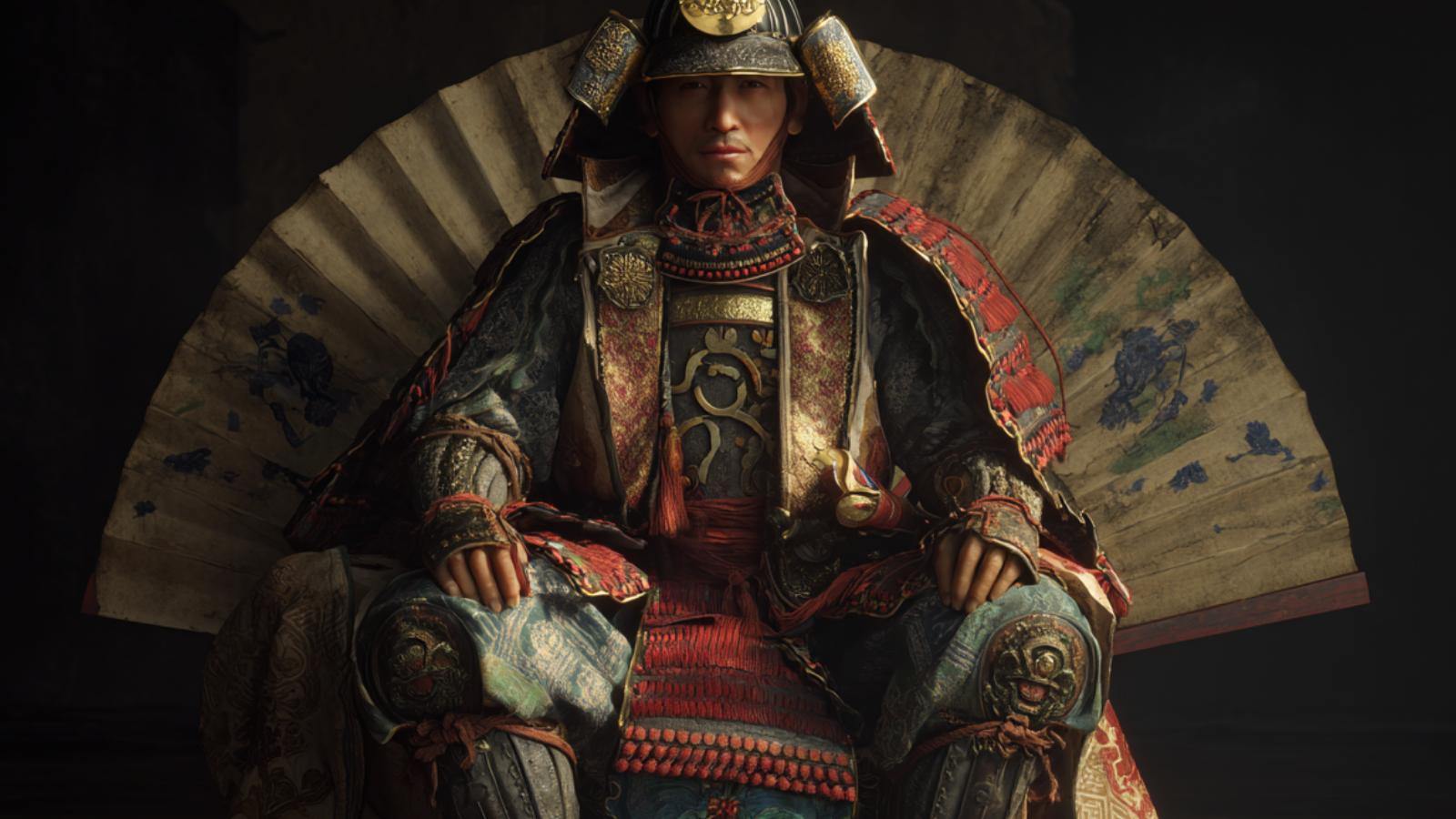
About Rokkaku Takayori
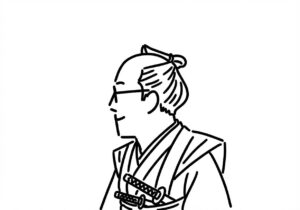
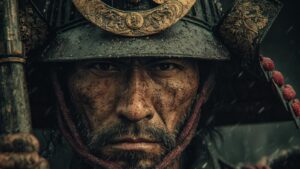
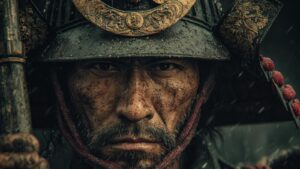
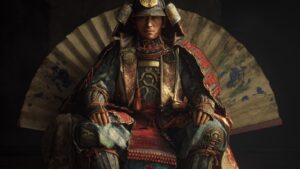
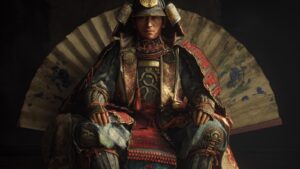
As a member of the Rokkaku clan, he was raised under the influence of the samurai code and the traditions of the Shugo, overseeing the local governance.
His lineage positioned him well to inherit responsibilities and a of military engagement from a young age.
Takayoris to prominence began in the late 15th century as he navigated complex alliances and rivalries.
He was adept at forming strategic partnerships, bolstering his position against both local warlords and the evolving powers of larger clans.
His leadership was marked by campaigns that expanded his influence in the region, reflecting a balance of valor and strategic planning.
Through, he amassed both reputation and respect among his peers and vassals, strengthening his political influence across Mushi.
Throughout his life, Takayori took part in numerous that showcased his military abilities and strategic intelligence.
His notable triumphs included defending Mushi against incursions from neighboring clans, where his keen tactical mind allowed him to outsmart and outmaneuver opponents.
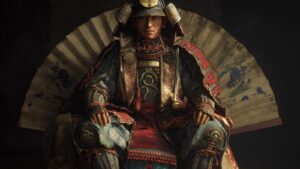
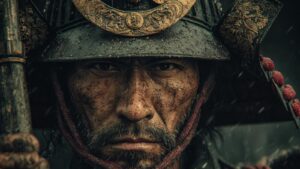
His valor on the battlefield earned him respect and loyalty from his samurai, as he often led from the front, eming the ideal of a samurai warrior.
Moreover, Takayoris engagements are studied for their innovative tactics that emphasized speed and surp .
Rokkaku Takayori left a complex within the tapestry of Japanese history.
He is remembered as a capable Daimyo whose strategies influenced his successors.
His emphasis on strong governance and his contributions to the arts, particularly Ikebana, reflected the dual nature of samurai as warriors and culture-bearers.
Takayoris life story serves as a reminder of the blend of warfare and the pursuit of cultural refinement that characterized the Sengoku period, allowing him to stand out amongst his contemporaries.