
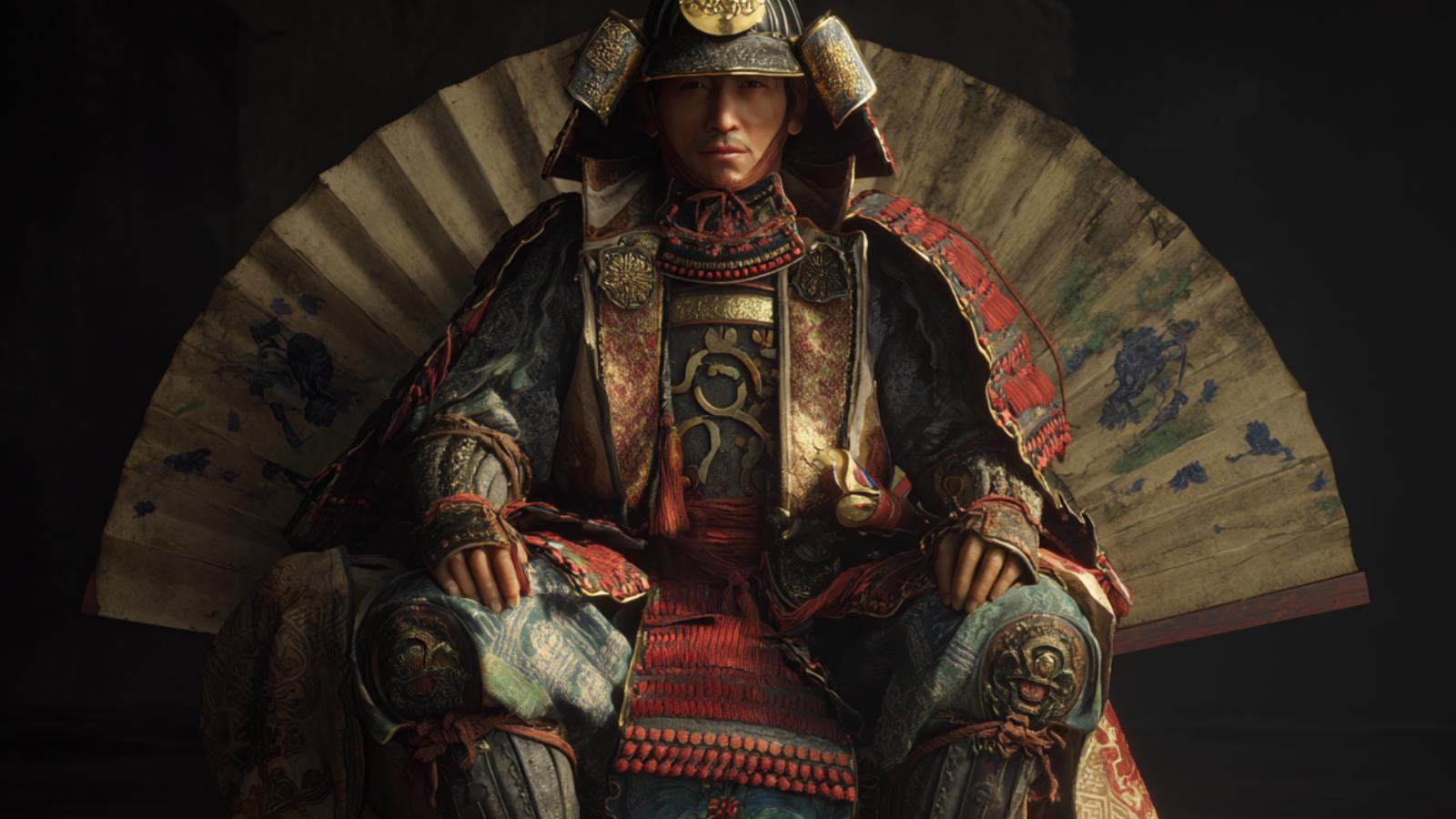
“強き者は、己を知り、敵を知る。”
— The strong know themselves and their enemies.

| Lead 統率 |
Valor 武勇 |
Intel 知略 |
Pol 政治 |
|---|---|---|---|
| 78 | 75 | 82 | 65 |
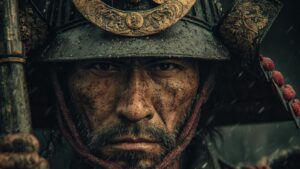
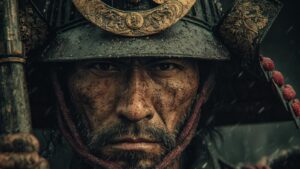
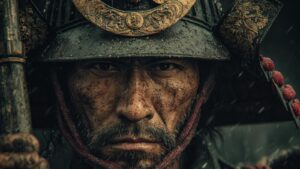
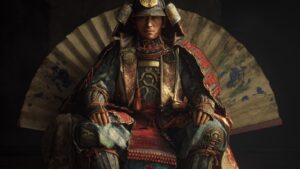
| Name (JP) | 朝倉 敏景 |
|---|---|
| Title | Daimyo |
| Clan / Force | Asakura Clan |
| Era | 1530 – 1579 |
| Origin | Echizen |
| Key Battles | |
| Arts | Noh Theatre |
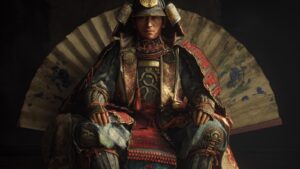
About Asakura Toshikage
Raised in a family with deep military roots, he was educated in the ways of warfare, governance, and the arts.
His early exposure to Noh theatre influenced his appreciation for culture.
He was the son of Asakura Yoshikage and was groomed to continue the of his family.
Toshikage assumed leadership over the Asakura clan following the passing of his father, Yoshikage.
His to power wasnt without challenges, as the clan faced constant threats from neighboring clans and the ambition of Oda Nobunaga.
Despite these challenges, Toshikage proved to be a resourceful and competent leader, engaging in several alliances while also maintaining strength in his territory.
His tactical acumen became evident in several conflict engagements, displaying both strategic brilliance and tactical adaptability.
Toshikage participated in various, most notably in conflicts against the Takeda and Oda clans.
His ability to leverage the terrain of Echizen gave his forces an edge in battle.
Not merely a military leader, Toshikage also fostered cultural developments in his domain, encouraging arts such as Noh Theatre.
This balance of military and cultural patronage defined his leadership style, making him a respected figure among his peers and subjects alike.
Toshikage’s impact on Japan extended beyond military endeavors; he is remembered for his contributions to the development of the arts in the region.
His support of Noh Theatre helped to establish a lasting cultural heritage in Echizen.
He left a mixed, as he attempted to manage the ambitions of rising powers like Oda Nobunaga, ultimately leading to challenges for the Asakura clan, which faced decline after his death in 1579.
Nevertheless, Toshikage remains a notable figure in the history of the Sengoku period.
comment