
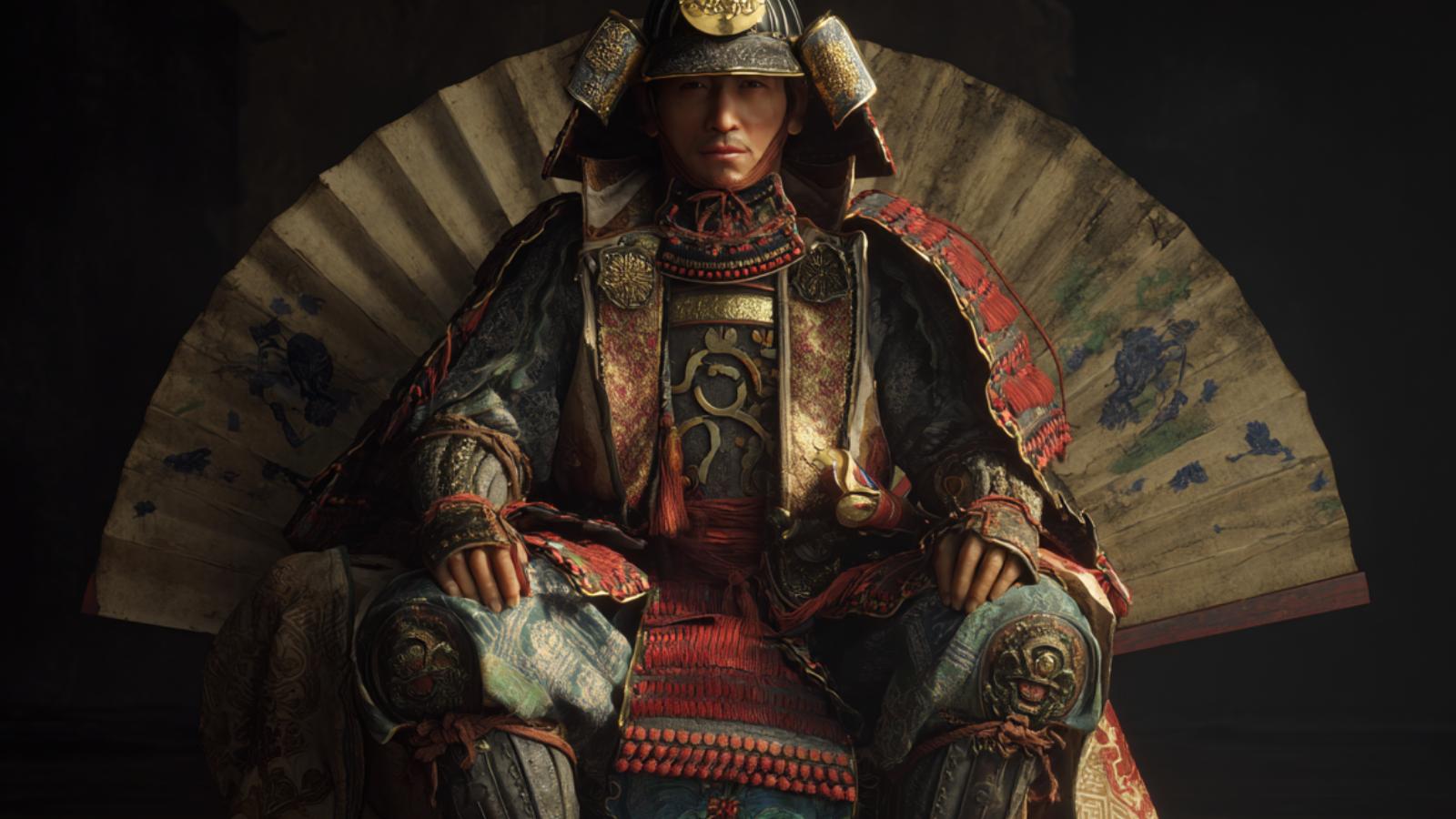
“武士は死ぬことを恐れず、忠義を尽くす。”
— A samurai fears not death, but dedicates his life to loyalty.

| Lead 統率 |
Valor 武勇 |
Intel 知略 |
Pol 政治 |
|---|---|---|---|
| 75 | 70 | 80 | 70 |
| Name (JP) | 畠山 義就 |
|---|---|
| Title | Daimyo |
| Clan / Force | Hatakeyama Clan |
| Era | 1485 – 1550 |
| Origin | Kawachi |
| Key Battles | |
| Arts | Noh Theatre |
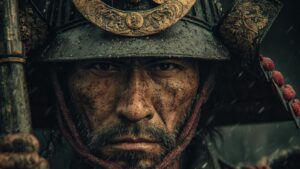
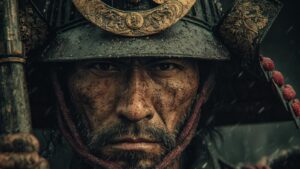
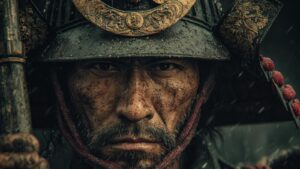
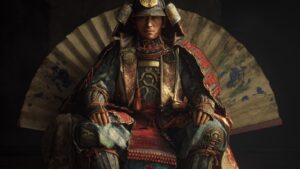
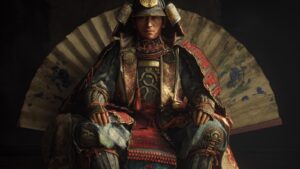
About Hatakeyama Yoshinari
His family had a storied history as shugo (military governors), equipping him with a noble upbringing that emphasized duty and valor.
He was immersed in the samurai culture from a young age, learning the arts of warfare, governance, and the delicate nuances of politics., Yoshinari began his political ascent in the early 16th century, as his clan faced numerous challenges from rival factions.
He distinguished himself not only on the battlefield but also in courtly matters, earning a reputation as a capable leader.
Through astute alliances and strategic marriages, he solidified his power base in Kawachi, which became a critical region for the clans fighting for dominance in Japan during the Sengoku period., Yoshinari played an essential role in various regional conflicts, often engaging with other daimyos to expand his influence.
His most significant battle was the conflict against the Miyoshi clan, where his strategic acumen greatly contributed to the defense of his territories.
Though not the most famed warrior, his tactical maneuvers often turned the tide in his favor, showcasing his intelligence and adaptability in warfare., Despite his untimely death in 1550, Hatakeyama Yoshinaris influence extended beyond the battlefield.
He was known for his patronage of the arts, particularly Noh theatre, which flourished under his support.
His lives on as a symbol of loyalty and dedication, endearing him to future generations as a representation of the samurai ideal.
comment