
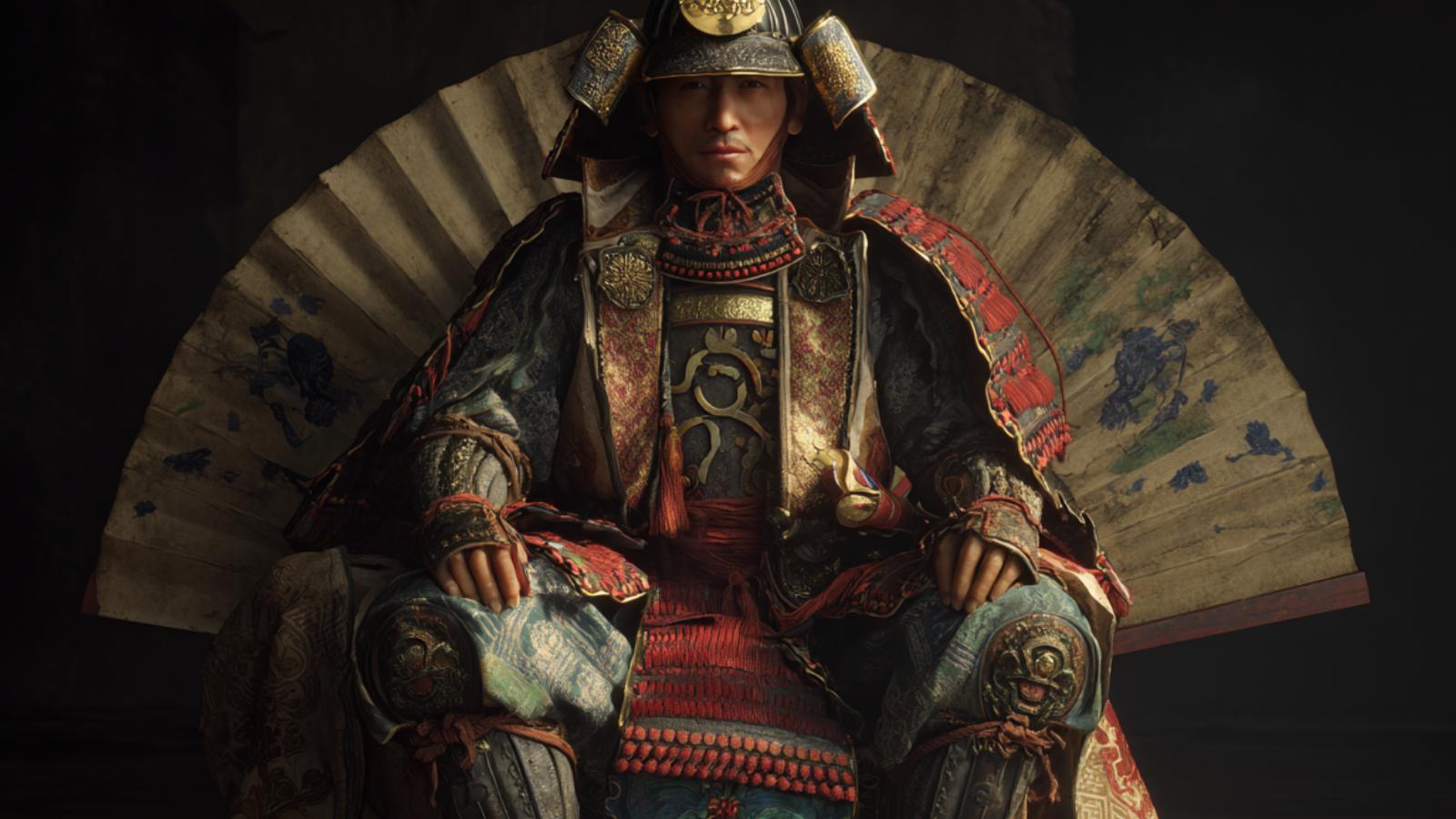
“己の道を歩む者が、真の勝者である。”
— The one who walks their own path is the true victor.

| Lead 統率 |
Valor 武勇 |
Intel 知略 |
Pol 政治 |
|---|---|---|---|
| 80 | 75 | 85 | 82 |
| Name (JP) | 細川 勝元 |
|---|---|
| Title | Daimyo |
| Clan / Force | Hosokawa Clan |
| Era | 1432 – 1507 |
| Origin | Kyushu |
| Key Battles | |
| Arts | Tea Ceremony |
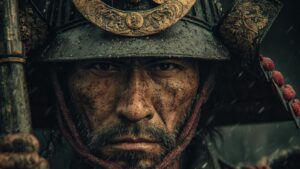
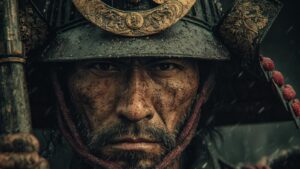
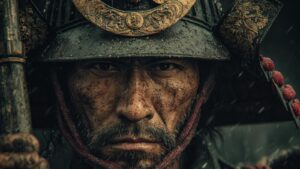
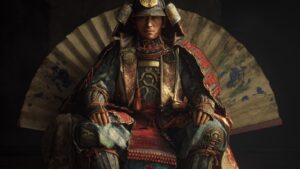
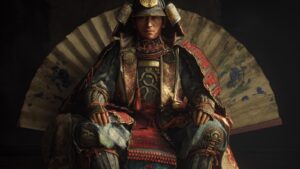
About Hosokawa Katsumoto
He was the son of Hosokawa Masamoto, a leading figure in the Muromachi shogunate.
From a young age, Katsumoto was immersed in the world of court politics and military strategy, reflecting the martial traditions of his lineage.
As Katsumoto matured, he quickly established himself as a formidable leader.
By the mid-15th century, he had secured his position within the clan and expanded his influence through strategic marriages and alliances, leveraging his familys connections in the shogunate.
His talent for governance was evident when he managed to maintain stability within Kyushu amid the rampant conflicts of the time.
Katsumoto was known for his involvement in many, showcasing his capability as a military commander.
His strategies often emphasized both offensive and defensive maneuvers, allowing him to leverage the terrain to his advantage.
Notably, he played a significant role during the conflicts against the rival clans and the power struggles surrounding the Ashikaga shogunate.
His ability to rally troops earned him the respect of both his followers and opponents.
Katsumotos is marked by his contributions to the arts and culture, particularly his patronage of the tea ceremony, which reflects his deeper appreciation for peace and aesthetics amidst the chaos of warfare.
His quote, The one who walks their own path is the true victor, embodies his philosophy of leadership and self-determination.
Today, he is remembered as a key figure in the turbulent era of Japans feudal history, representing the ideals of honor, strategy, and the complexities of leadership in times of strife.
comment