
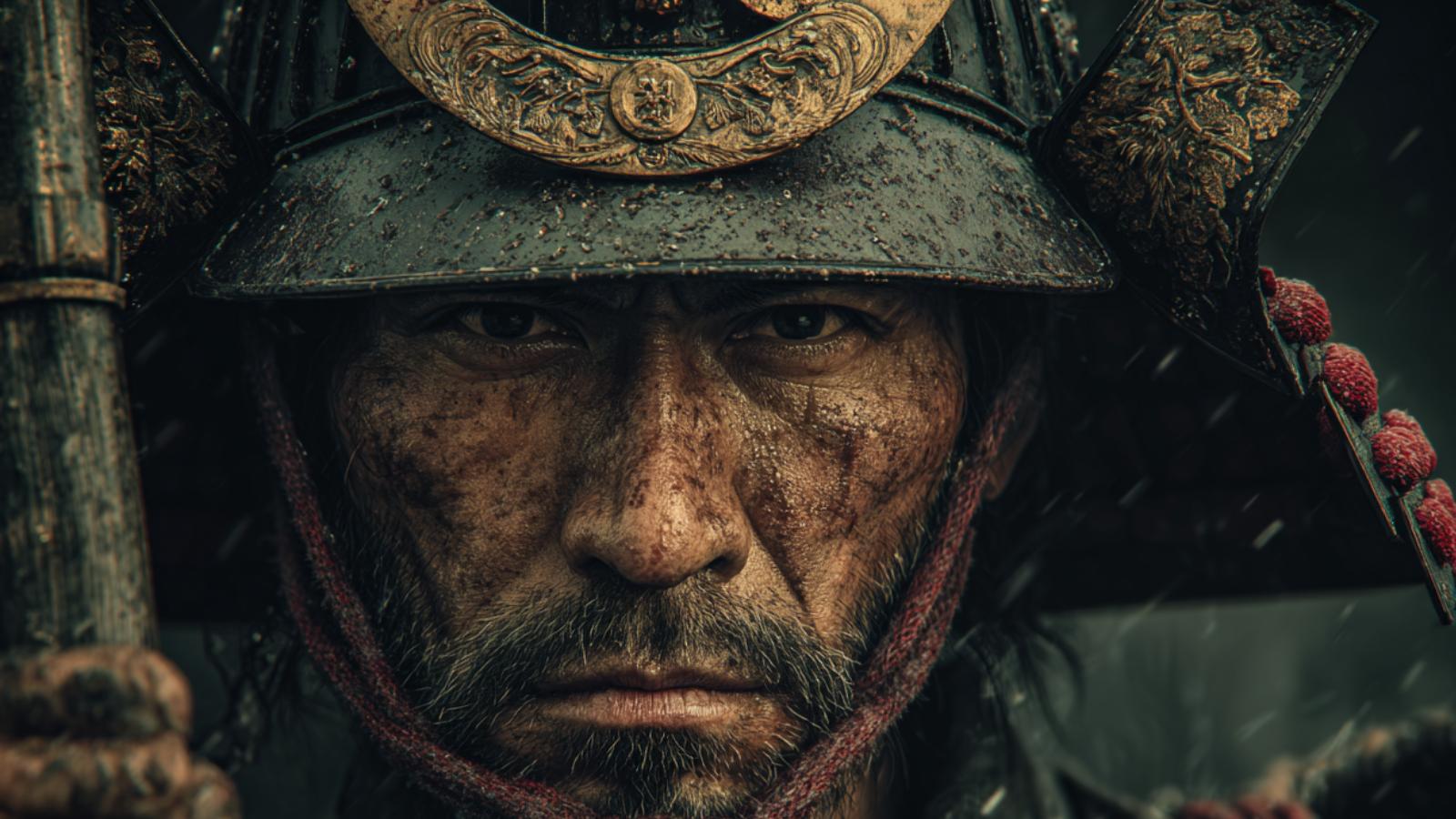
“心を整え、舞台に立つ。”
— Prepare your mind and take the stage.

| Lead 統率 |
Valor 武勇 |
Intel 知略 |
Pol 政治 |
|---|---|---|---|
| 70 | 65 | 75 | 80 |
| Name (JP) | 金春 禅鳳 |
|---|---|
| Title | Master of Ceremonies |
| Clan / Force | Unknown |
| Era | 1455 – 1530 |
| Origin | Kyoto |
| Key Battles | |
| Arts | Noh Theatre |
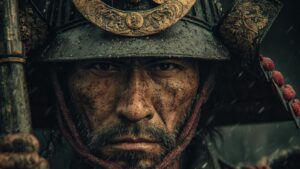
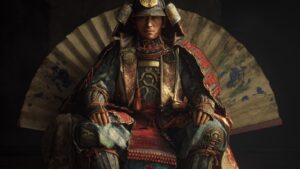
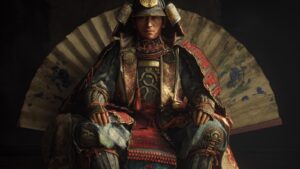
About Komparu Zenpo
Fast-forwarding through his upbringing, Zenpo was deeply influenced by the rich traditions of the Muromachi period, particularly the Noh theatre that would define much of his later life.
Coming from the line of Shugo, he was trained not only in the arts of war but also in the delicate nuances of diplomacy and governance, setting the stage for a remarkable life ahead.
As he matured, Zenpo quickly gained recognition for his balanced approach to leadership and politics.
His ability to navigate the complex relationships between the powerful clans in Kyoto allowed him to establish himself as a credible figure among his peers.
Zenpo’s unique combination of martial skill, artistic talent, and insight into the minds of those around him made him a formidable player in the political arena of his time.
Though more renowned for his cultural contributions than battlefield exploits, Zenpo did engage in skirmishes typical of the era.
His strategic mind saw him not only as a traditional warrior but also as an advocate for peace, using his intelligence to avoid unnecessary bloodshed when possible.
His involvement in various minor conflicts demonstrated his capability as a leader when faced with the challenges of his time, often resolving disputes through negotiation rather than force.
Komparu Zenpo’s influence endured long after his death in 1530.
He is credited with elevating Noh theatre to new heights, blending traditional elements of performance with his unique vision to engage audiences profoundly.
His extends beyond the stage into the realms of leadership and governance, remembered as an individual who understood the importance of culture in shaping the fabric of society.
His teachings and performances continue to inspire future generations, demonstrating that the arts and strategies of leadership are often intertwined.
comment