
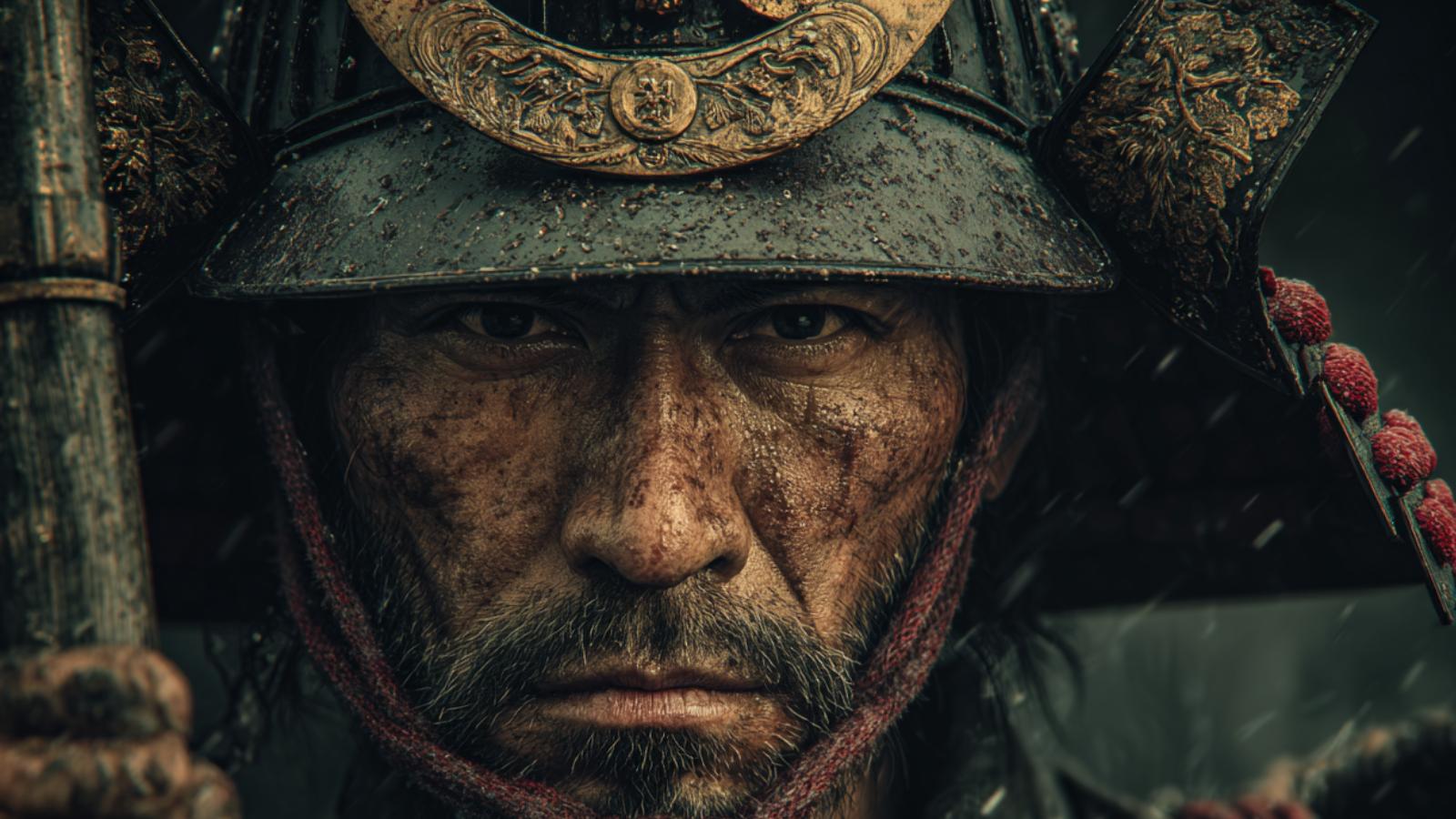
“道は自ら裁く者に開かれる。”
— The path opens for those who judge themselves.

| Lead 統率 |
Valor 武勇 |
Intel 知略 |
Pol 政治 |
|---|---|---|---|
| 72 | 68 | 75 | 65 |
| Name (JP) | 太田 牛一 |
|---|---|
| Title | Chief Retainer |
| Clan / Force | Tokugawa Clan |
| Era | 1542 – 1605 |
| Origin | Mino |
| Key Battles | |
| Arts | Calligraphy |
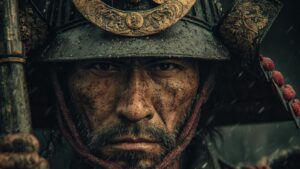
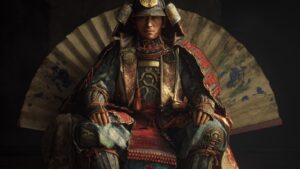
About Ota Gyuichi
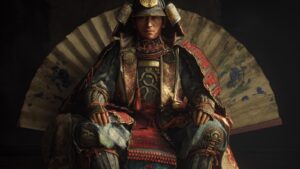
From a young age, Gyuichi showcased a keen intellect and an affinity for martial arts, mastering various techniques that defined the samurai warriors of his era.
His family was loyal to the influential warlords of the time, which molded Gyuichi’s early beliefs surrounding honor and service.
Gyuichis in the ranks began under the command of the powerful warlord Oda Nobunaga, where he proved himself not only as a capable warrior but also as a skilled tactician.
His strategic prowess was evident in numerous conflicts throughout the Sengoku period, assisting Nobunaga in expanding his realm.
As a chief retainer, his loyalty and dedication to his lord played a pivotal role in gaining victories.
He was often in the thick of, showcasing valor that earned him respect among his peers.
Ota Gyuichi participated in several key, including the famous Battle of Nagashino in 1575, where he employed strategic positioning and effective use of gunpowder weaponry, contributing significantly to the Oda clans success against the Takeda forces.
His efforts in battle were a testament to his understanding of the evolving Japanese warfare tactics of the time.
Gyuichis keen observation and analytical skills also gave him an edge in planning ambushes and defensive maneuvers, enhancing his reputation as a capable general.
Ota Gyuichis lives on as a symbol of loyalty and strategic acumen.
Though he may not be as widely recognized as some of his contemporaries, his contributions to the Oda clan and his role in shaping the tactics of the period are noteworthy.
His insights and innovations in warfare strategies are studied and respected, making him an important figure in the history of the samurai.
Gyuichi passed away in 1605, but his ideals and strategies continue to influence samurai ethics and warfare practices to this day.
comment