
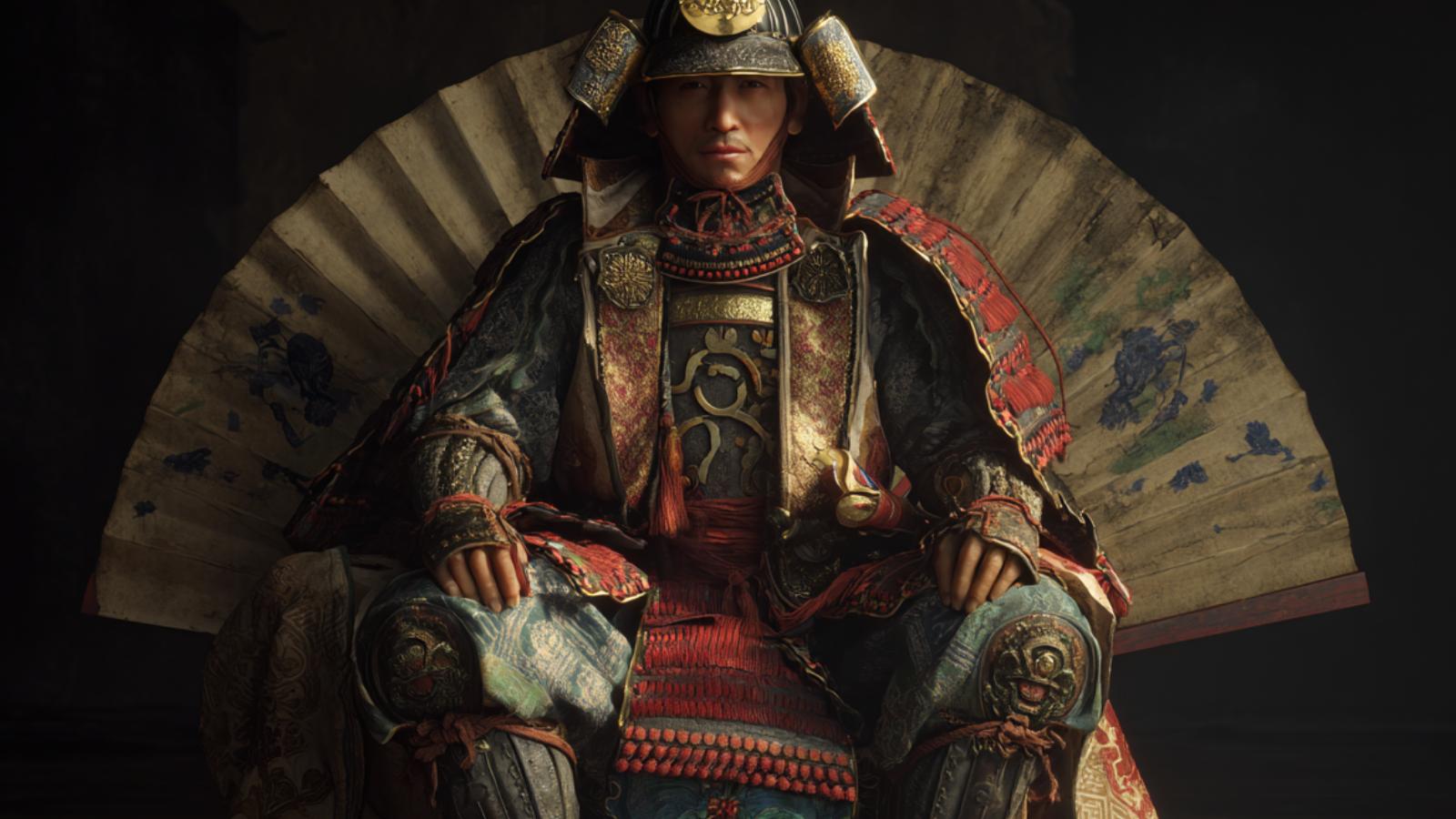
“戦は常に勝者の心がけ次第である。”
— Victory in battle depends always on the mindset of the victor.

| Lead 統率 |
Valor 武勇 |
Intel 知略 |
Pol 政治 |
|---|---|---|---|
| 72 | 68 | 75 | 70 |
| Name (JP) | 勧修寺 晴豊 |
|---|---|
| Title | Daimyo |
| Clan / Force | Unknown |
| Era | 1566 – 1649 |
| Origin | Kyoto |
| Key Battles | |
| Arts | Noh Theater |
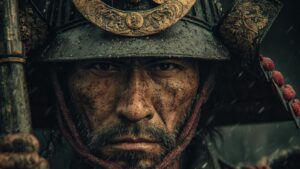
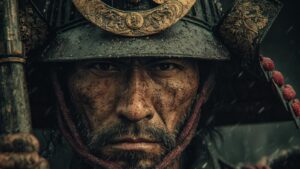
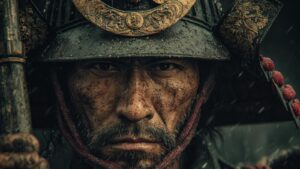
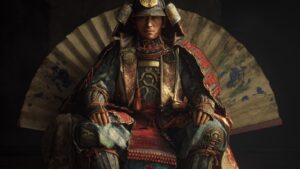
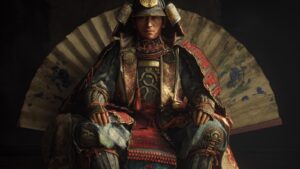
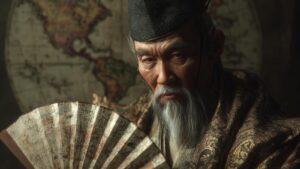
About Kajuji Haretoyo
Growing up in a samurai family, he was exposed to the conflicts and philosophies of the era, shaping his future ambitions.
His lineage connected him deeply to the samurai class, instilling a strong sense of honor and duty from a young age.
During the tumultuous Sengoku period, Haretoyo emerged as a capable leader, aligning himself with various powerful clans seeking to control Kyoto.
His strategic mind and diplomatic finesse allowed him to navigate the complex political landscape.
By forming alliances and showcasing his military talents, he earned the of daimyo, signifying his authority over a substantial domain.
Haretoyo participated in several key throughout his career, demonstrating commendable valor and leadership.
His tactical maneuvers often turned the tide in favor of his forces, though he was not without setbacks.
Each challenge he faced further strengthened his resolve and honed his skills.
Kajuji Haretoyos extends beyond the battlefield; he became a notable patron of the arts, particularly Noh theater, which flourished during his reign.
His commitment to the arts showcased a different side of samurai culture—one that embraced creativity alongside martial prowess.
Today, Haretoyo is remembered as a balanced leader who bridged the realms of warfare and culture, leaving a lasting impression on Japanese history.
comment