
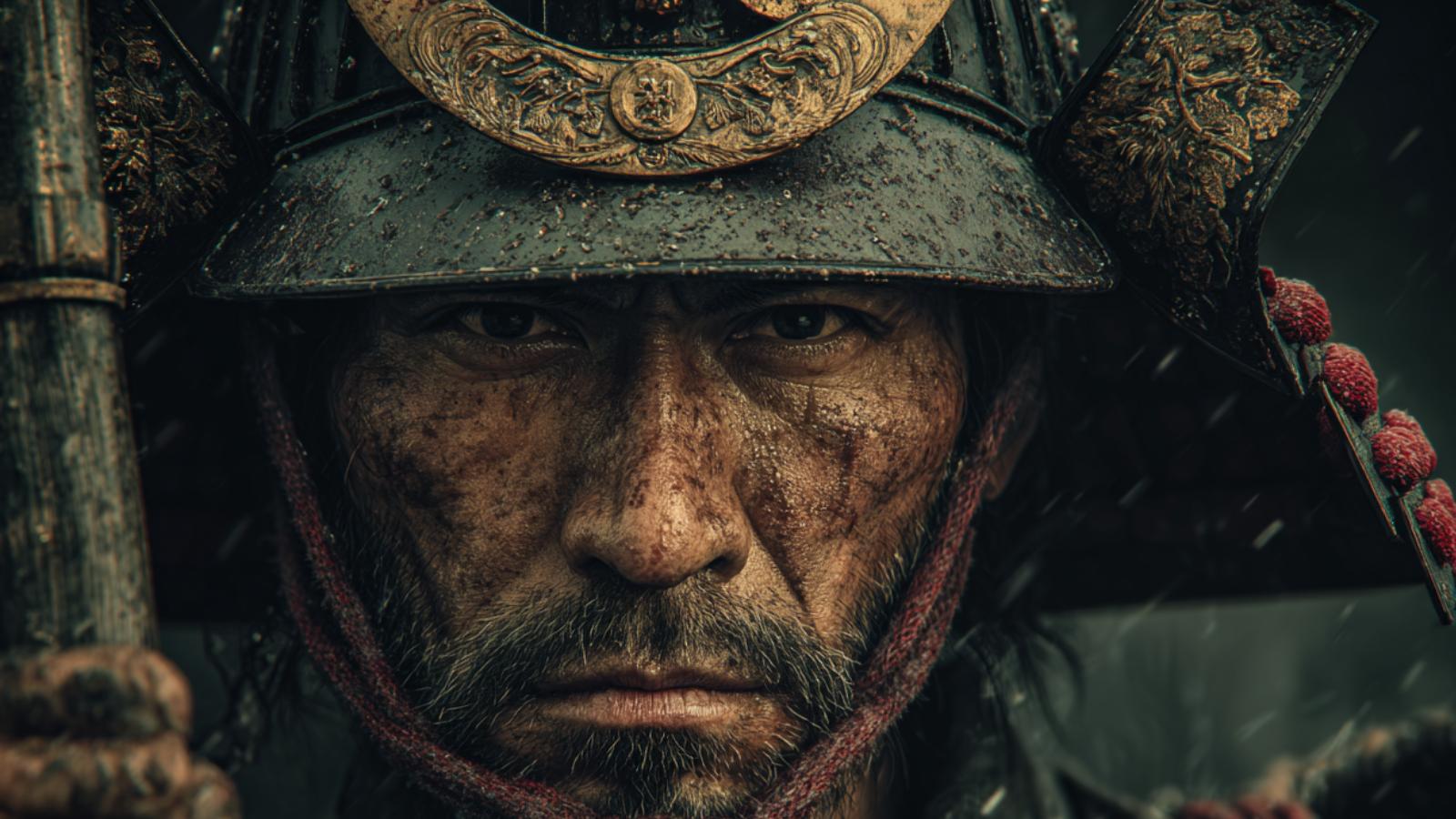
“智恵をもって戦う者は、勝利の道を拓く。”
— Those who fight with wisdom carve the path to victory.

| Lead 統率 |
Valor 武勇 |
Intel 知略 |
Pol 政治 |
|---|---|---|---|
| 75 | 70 | 65 | 60 |
| Name (JP) | 斎藤 伝鬼房 |
|---|---|
| Title | Chief Retainer |
| Clan / Force | Unknown |
| Era | 1564 – 1642 |
| Origin | Mutsu |
| Key Battles | |
| Arts | Kintsugi |
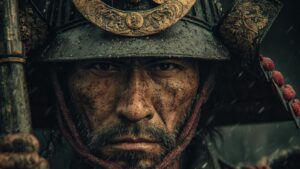
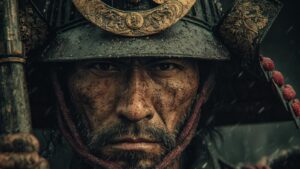
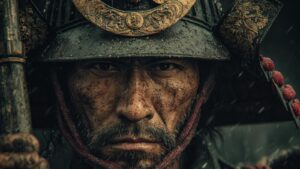
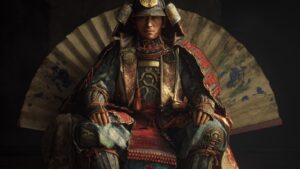
About Saito Denkibo
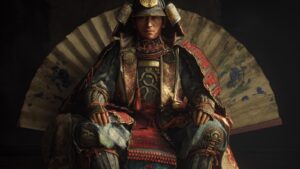
Raised in a period of constant warfare, he was trained from a young age in the arts of combat and strategy, which shaped his future as a samurai.
The cultural influences of the region enriched his upbringing, as he developed a passion for Kintsugi, the art of repairing pottery with gold, which mirrored his approach to life and battle—seeing flaws as opportunities for beauty and strength.
Denkibos to prominence began during the late 16th century amidst the political upheaval of Japan.
He served under a powerful daimyo, quickly proving his worth as a capable warrior and strategist.
His leadership in various skirmishes earned him a reputation, but it was his tactical brilliance at the Battle of Hitotoribashi that solidified his status as a Chief Retainer.
Despite being overshadowed by more famous generals, his contributions were pivotal in several campaigns that shaped the regions politics during the Sengoku era.
Throughout his career, Denkibo fought valiantly in numerous, demonstrating his prowess both on the battlefield and in the strategy room.
His ability to adapt to changing circumstances earned him the respect of his peers and the loyalty of his troops.
He often employed unconventional tactics that caught enemies off guard, showing a level of intelligence that placed him above many of his contemporaries.
Even though he never became a legend like Oda Nobunaga or Tokugawa Ieyasu, his impact was felt throughout the Mutsu province during his service.
After his death in 1642, the of Saito Denkibo lived on through the tales of his bravery and strategic mind.
Though not as famous as some of his peers, he is remembered as a loyal retainer who exemplified the virtues of a samurai.
His teachings influenced future generations of warriors, and his reflection on the art of Kintsugi became symbolic of resilience and beauty in facing adversity.
The stories of his deeds continue to be passed down through history, making him an enduring figure in samurai lore.
comment