
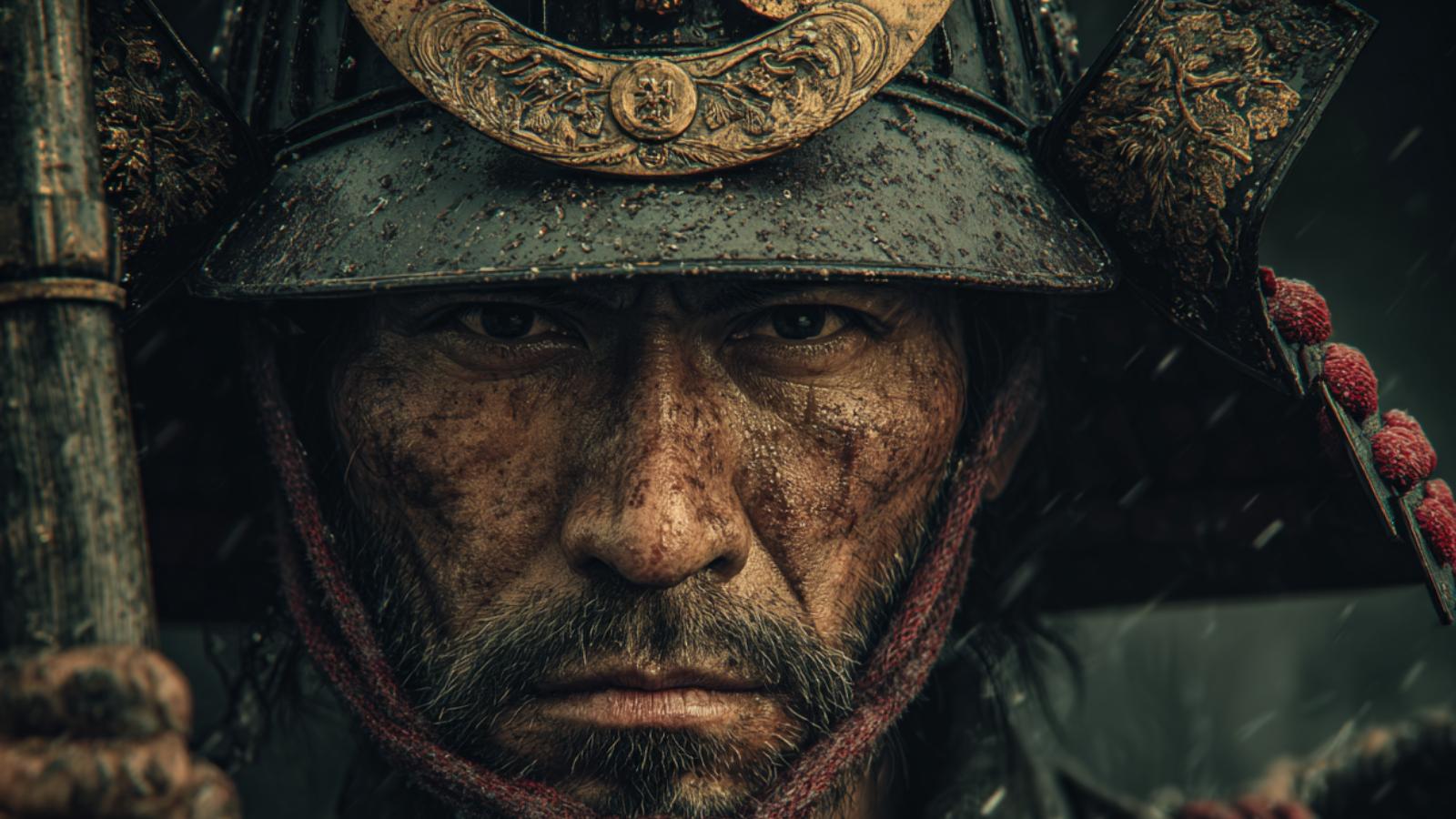
“勝利は知恵のある者に訪れる。”
— Victory comes to those who have wisdom.

| Lead 統率 |
Valor 武勇 |
Intel 知略 |
Pol 政治 |
|---|---|---|---|
| 72 | 65 | 70 | 60 |
| Name (JP) | 日比屋 了珪 |
|---|---|
| Title | Chief Retainer |
| Clan / Force | Unknown |
| Era | 1578 – 1623 |
| Origin | Mutsu |
| Key Battles | |
| Arts | Martial Arts |
About Hibiya Ryokei
There, he was trained in martial arts from a young age, cultivating not only his combat skills but also his understanding of strategy within the feudal system of Japan.
Raised during the constant strife of the late Sengoku period, he learned the importance of loyalty and honor, values that would guide him throughout his life.
As he matured, Ryokei gained recognition for his clever tactics in skirmishes and his ability to lead small forces effectively in local conflicts.
His reputation grew, and he caught the eye of several lords, ultimately serving under a powerful daimyo who appreciated his insight and bravery.
His leadership during various clan during the transition to the Edo period further solidified his status among his peers.
Throughout his career, Ryokei participated in numerous, showcasing his capability on the battlefield.
His valor, though not legendary, was notable as he led his men with courage and conviction.
While he faced many challenges, his intelligent strategies often allowed him to achieve victories against larger armies, ensuring his lords interests were protected throughout the turbulent times of Japans unification.
Hibiya Ryokei left behind a of loyalty and tactical proficiency.
His balanced approach to leadership, combined with his dedication to honor and service, influenced the samurai of his time.
Even after his death in 1623, stories of his exploits were shared among warriors, and he became an embodiment of the virtues expected of a samurai.
His words continue to echo, teaching the importance of wisdom in achieving victory.









comment