
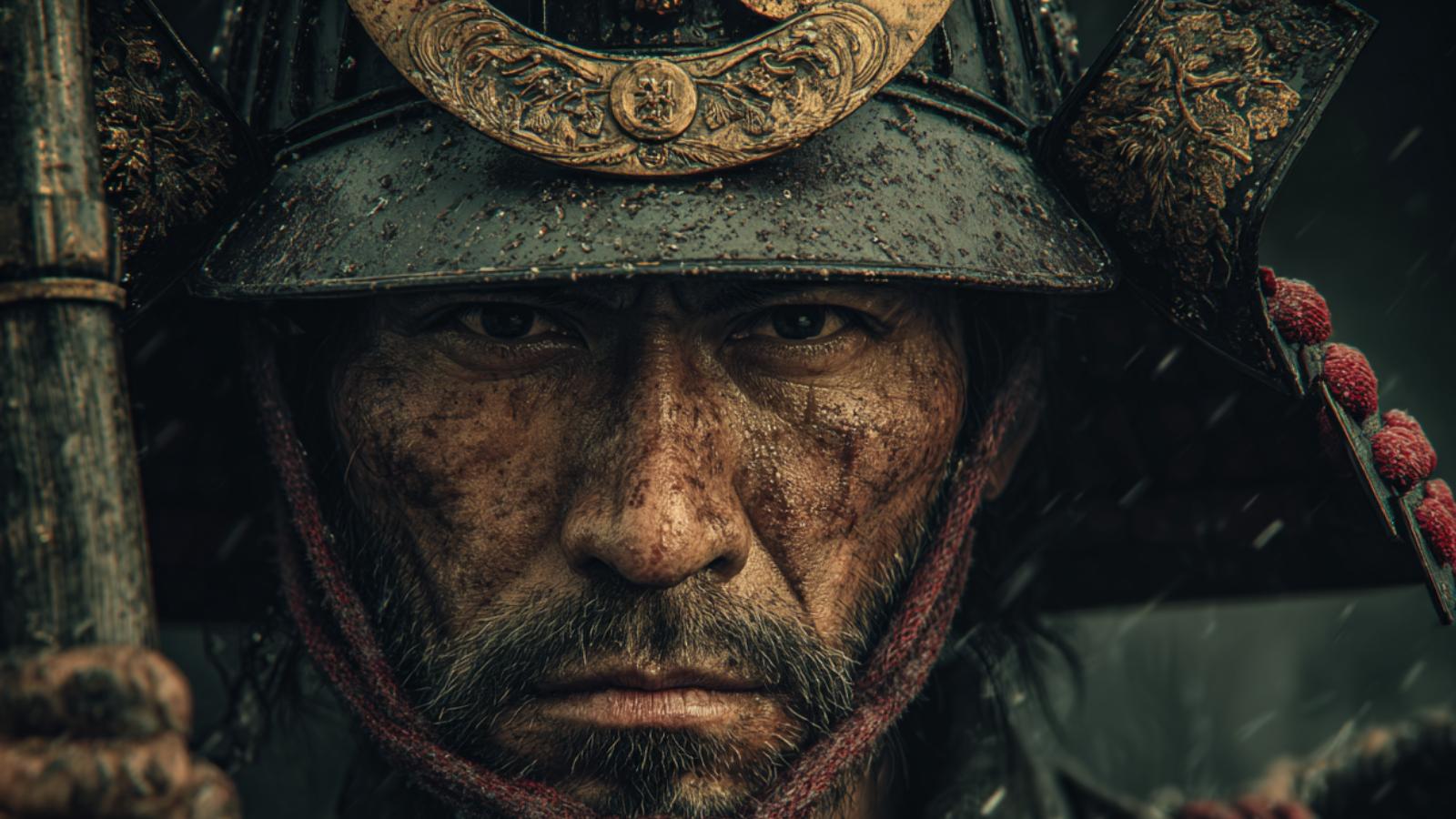
“和敬清寂の心を持ち続ける”
— Maintain a heart of harmony, respect, purity, and tranquility.

| Lead 統率 |
Valor 武勇 |
Intel 知略 |
Pol 政治 |
|---|---|---|---|
| 75 | 70 | 85 | 80 |
| Name (JP) | 津田 宗及 |
|---|---|
| Title | Chief Retainer |
| Clan / Force | Unknown |
| Era | 1527 – 1590 |
| Origin | Bizen |
| Key Battles | |
| Arts | Tea Ceremony |
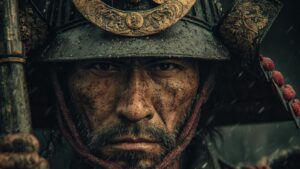
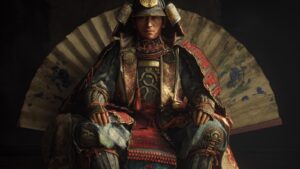
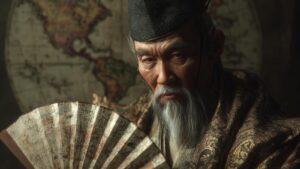
About Tsuda Sogyu
From an early age, he demonstrated a keen interest in the arts, particularly the tea ceremony, which would later define his .
His family background and training put him in contact with influential samurai and leaders of his time, shaping his path as a warrior and a cultural figure.
During the tumultuous Sengoku period, Tsuda Sogyu emerged as a capable figure in the service of various daimyōs.
His allegiance to powerful leaders allowed him to develop not only combat skills but also a deep understanding of governance and diplomacy.
Sogyu became well regarded for his strategic mind and ability to rally troops, earning the respect of his peers and superiors alike.
His expertise in the art of tea further cemented his status in samurai society, as it was an important cultural activity that connected military and civilian life.
Sogyu fought in numerous conflicts during the late 16th century, showcasing his valor and combat skills on the battlefield.
His most notable included skirmishes in the region as regional daimyōs vied for power.
Sogyus ability to inspire loyalty among his men and his strategic insights contributed significantly to the success of his lords campaigns.
However, unlike many of his contemporaries, Sogyu preferred to resolve conflicts through diplomacy when possible, reflecting his political intelligence and understanding of the art of negotiation.
After his death in 1590, Tsuda Sogyu left behind a significant as both a warrior and a tea master.
He is remembered not only for his martial prowess but also for his contributions to the tea ceremony, which he viewed as an integral part of samurai culture.
His teachings and practices continued to influence future generations of samurai and tea practitioners.
Sogyus life serves as a reminder of the complexity of the samurai role, balancing martial duty with cultural refinement.
comment