
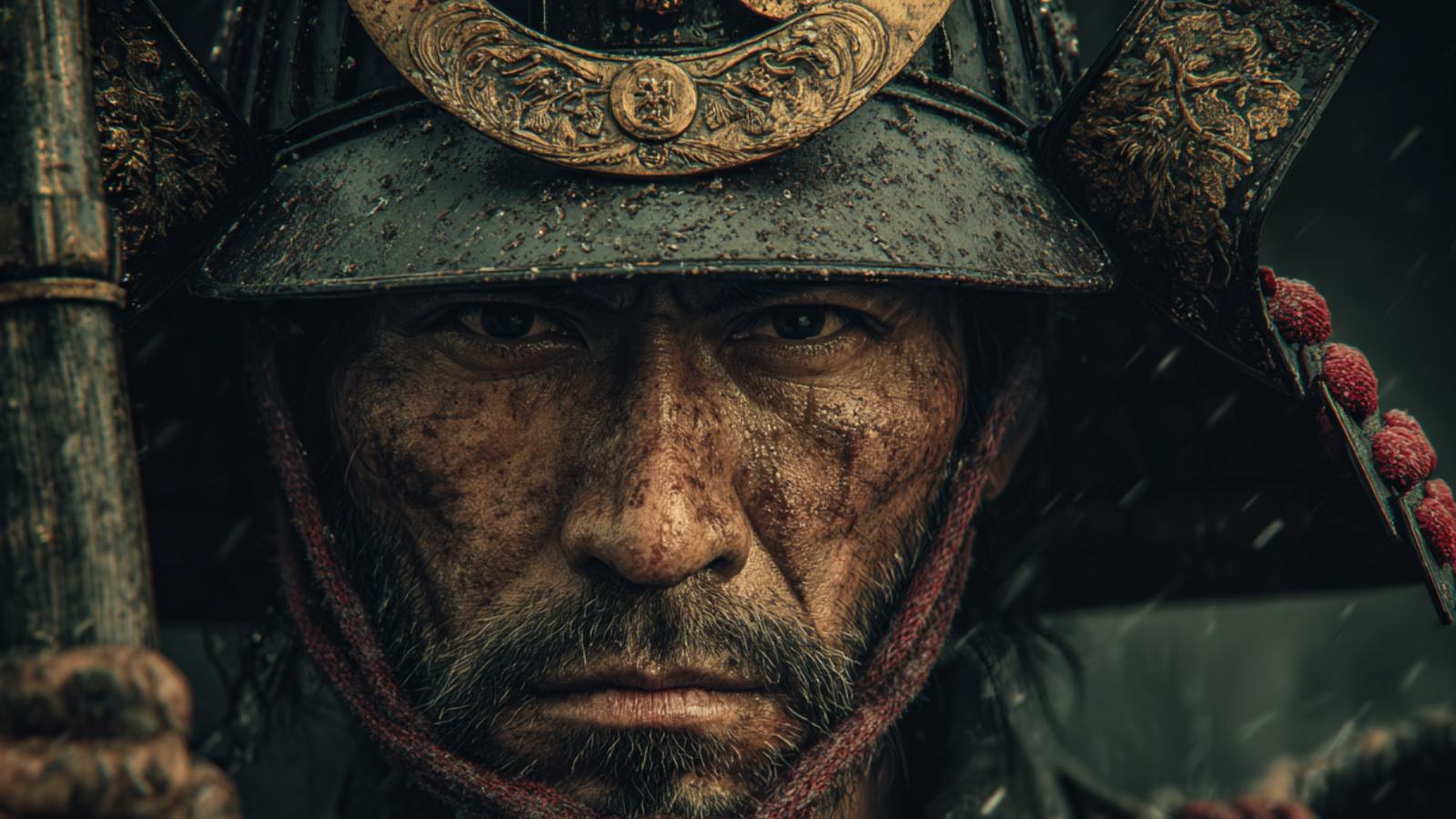
“名は残らずとも、心に誓った道は忘れない。”
— Though my name may not endure, the path I vowed in my heart will never be forgotten.

| Lead 統率 |
Valor 武勇 |
Intel 知略 |
Pol 政治 |
|---|---|---|---|
| 65 | 70 | 75 | 60 |
| Name (JP) | 牧島 主水 |
|---|---|
| Title | Retainer |
| Clan / Force | Unknown |
| Era | 1603 – 1688 |
| Origin | Chūgoku |
| Key Battles | |
| Arts | Calligraphy |
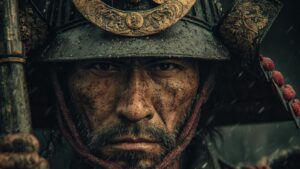
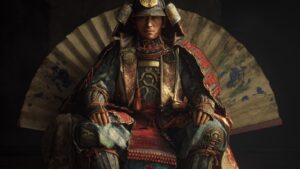
About Makishima Mondo
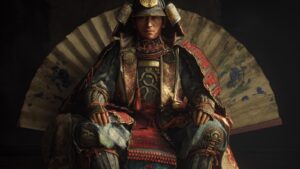
From a young age, he was trained in the martial arts and the ways of the samurai, instilled with the values of loyalty and honor.
He showed promise in both combat skills and governance, learning the intricacies of the samurai code., Mondos began when he became a retainer to a minor daimyo in Chūgoku.
His leadership abilities and strategic mindset quickly brought him to the attention of his lord.
He played a vital role in local governance, enhancing his reputation among the samurai class.
Mondo was known for his calm demeanor and wisdom in battle, one of the qualities that distinguished him from others., Throughout his career, Mondo participated in various skirmishes and that defined the landscape of feudal Japan.
He was particularly noted for his tactical ingenuity during skirmishes against rival clans.
While he was not as renowned as major generals, his contributions were significant at the local level, aiding his lord in securing territory and maintaining peace.
The he fought showcased his valor and ability to command, albeit on a smaller scale., After his death in 1688, Makishima Mondo was remembered as a capable and honorable retainer, despite not achieving the fame of legendary commanders.
His commitment to the samurai code and his service to the daimyos set a precedent for future generations of samurai.
Today, he is regarded as a symbol of loyalty and honor within the samurai culture, illustrating the vital role of lesser-known figures in maintaining the fabric of feudal Japan.
comment