
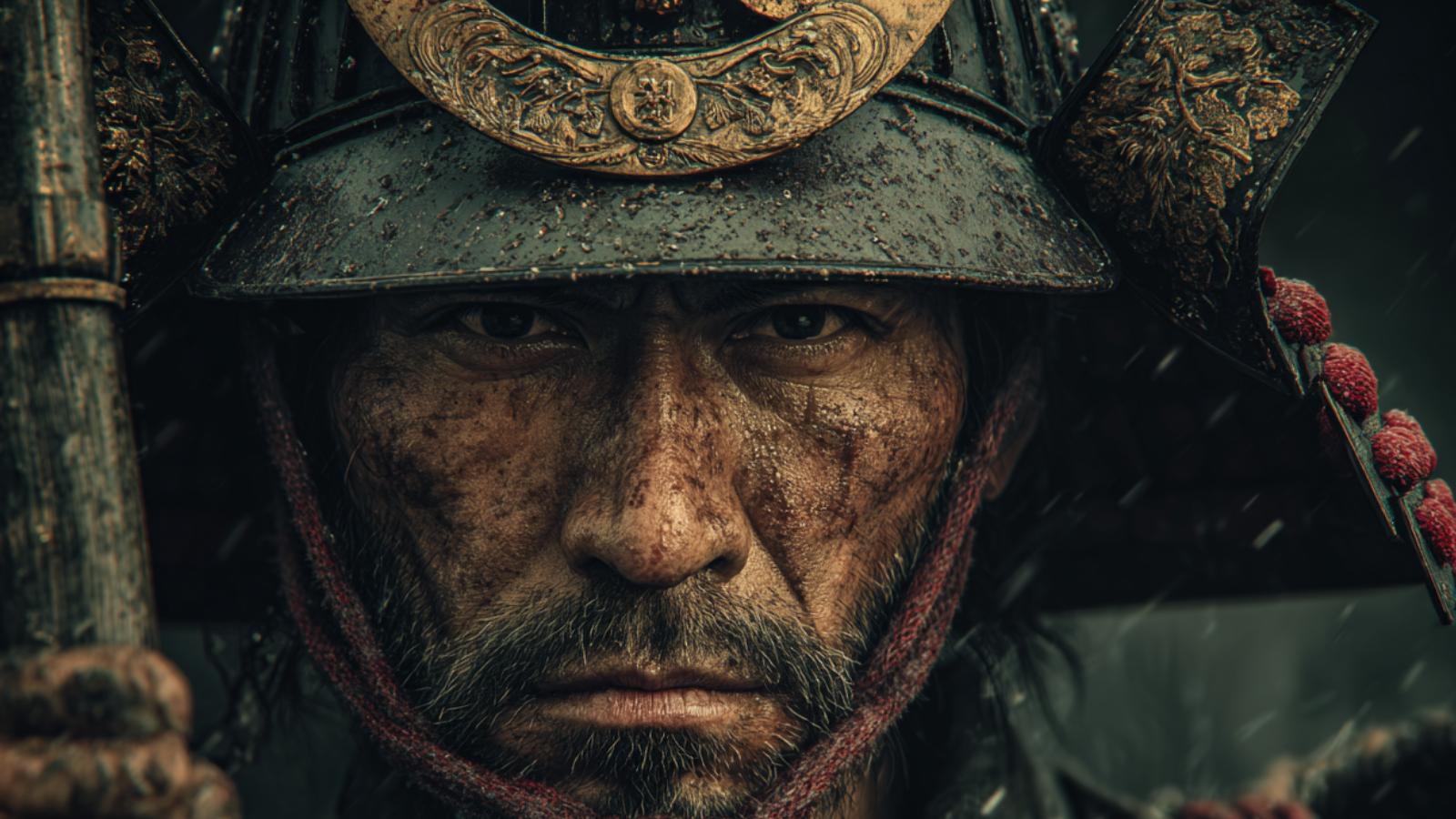
“剣の道は心の道、戦略は勝利の刃。”
— The path of the sword is the path of the heart; strategy is the blade of victory.

| Lead 統率 |
Valor 武勇 |
Intel 知略 |
Pol 政治 |
|---|---|---|---|
| 75 | 70 | 80 | 60 |
| Name (JP) | 柳生 三厳 |
|---|---|
| Title | Chief Retainer |
| Clan / Force | Yagyu Clan |
| Era | 1546 – 1626 |
| Origin | Mikawa |
| Key Battles | |
| Arts | Kenjutsu |
About Yagyu Mitsuyoshi
Coming from a samurai lineage, he was immersed in the martial traditions from a young age.
He trained in various forms of combat, particularly excelling in kenjutsu.
His was characterized by a commitment to mastering the sword and understanding the underlying principles of martial arts.
Mitsuyoshis reputation grew as he showcased his skills in several duels and demonstrated exceptional prowess in combat.
His connection to the influential Tokugawa family elevated his status, paving the way for him to become a key retainer.
During a time of political instability, Mitsuyoshi provided counsel and support to the Tokugawa clan, earning respect for his strategic insight.
Throughout his career, Mitsuyoshi participated in numerous, aiding in the unification of Japan under Tokugawa Ieyasu.
His tactical skills contributed significantly to several victories, honing his reputation as a capable general.
Notably, he played a substantial role in educating future generations of samurai, passing down the techniques of kenjutsu and instilling a sense of discipline and honor.
Yagyu Mitsuyoshi left a lasting mark on Japanese martial arts through his teachings and writings.
His contributions to kenjutsu have become foundational in the development of later martial arts schools.
In the context of the Tokugawa era, he remains celebrated not only for his combat achievements but also for his philosophical approach to the way of the sword.
His is honored in modern times, and his teachings continue to influence martial artists around the world.









comment