
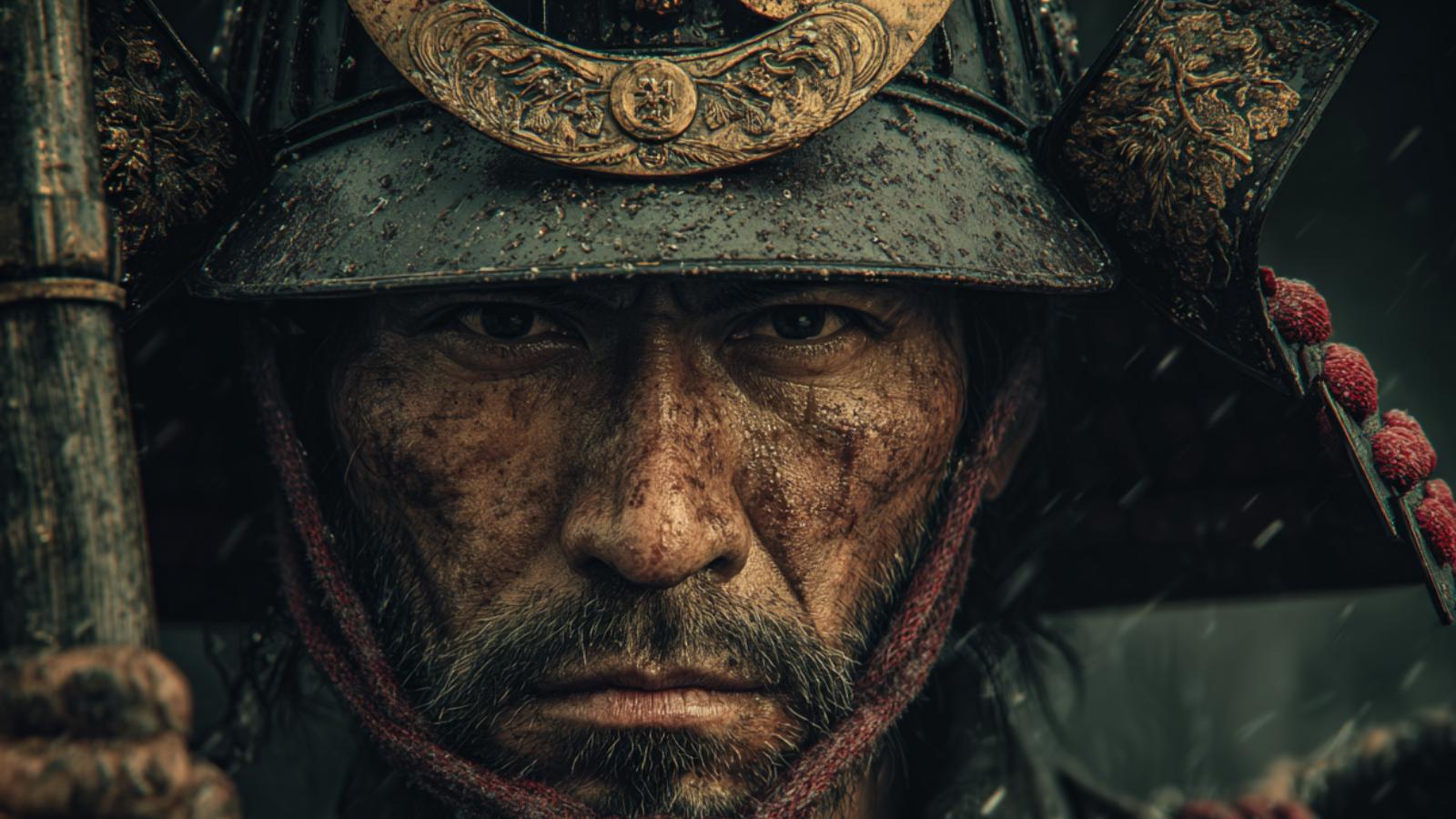
“力は団結にあり。”
— Strength lies in unity.

| Lead 統率 |
Valor 武勇 |
Intel 知略 |
Pol 政治 |
|---|---|---|---|
| 70 | 65 | 75 | 50 |
| Name (JP) | 渡辺 糺 |
|---|---|
| Title | Chief Retainer |
| Clan / Force | Unknown |
| Era | 1540 – 1602 |
| Origin | Mutsu |
| Key Battles | |
| Arts | Calligraphy |
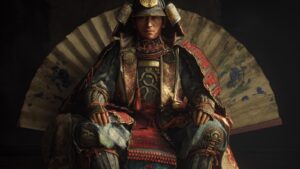
About Watanabe Ryo
His family had long served the local daimyo, and from a young age, Ryo was steeped in the traditions and the martial practices that defined samurai life.
His early education included not only the art of war but also cultural pursuits such as calligraphy, which he embraced passionately.
His formative years were marked by the political instability of the Sengoku period, shaping his resolve to become a capable warrior and leader.
As Ryo matured, he quickly gained recognition for his capabilities on the battlefield.
He started his military career serving under a regional daimyo, where his talents became evident during skirmishes with rival clans.
Ryos leadership skills were particularly displayed during a series of minor in the late 1560s, where he demonstrated a knack for strategy that impressed both his peers and superiors.
Eventually, he was appointed as a chief retainer, a role that required both martial prowess and the ability to govern effectively.
Despite his limitations in political maneuvering, he earned respect for his dedication to his lord and his innovative military tactics.
Ryo participated in several significant throughout his career, including the notable Siege of Koriyama in 1580, where his leadership contributed to a crucial victory.
His personal valor shone through as he fought bravely alongside his comrades, showcasing his fighting skills and determination.
While not the most talented warrior in direct combat, his strategic insight helped turn the tides in many engagements, earning him a reputation as a reliable and intelligent officer.
His campaigns were characterized more by strategic planning than by sheer brute force, allowing him to thrive in the chaotic battlefield dynamics that defined his time.
Watanabe Ryo passed away in 1602, leaving behind a as a dedicated and honorable chief retainer who navigated the complexities of samurai life during the Sengoku period.
Although not as widely recognized as some of his contemporaries, his contributions to the districts he served and his commitment to his clan resonate in historical accounts of the era.
Ryos life exemplifies the values of loyalty, unity, and honor that are central to the samurai ethos, serving as inspiration through the ages.
His quotes, particularly about strength in unity, continue to inspire those who study samurai history and the cultural significance behind their martial traditions.





comment