
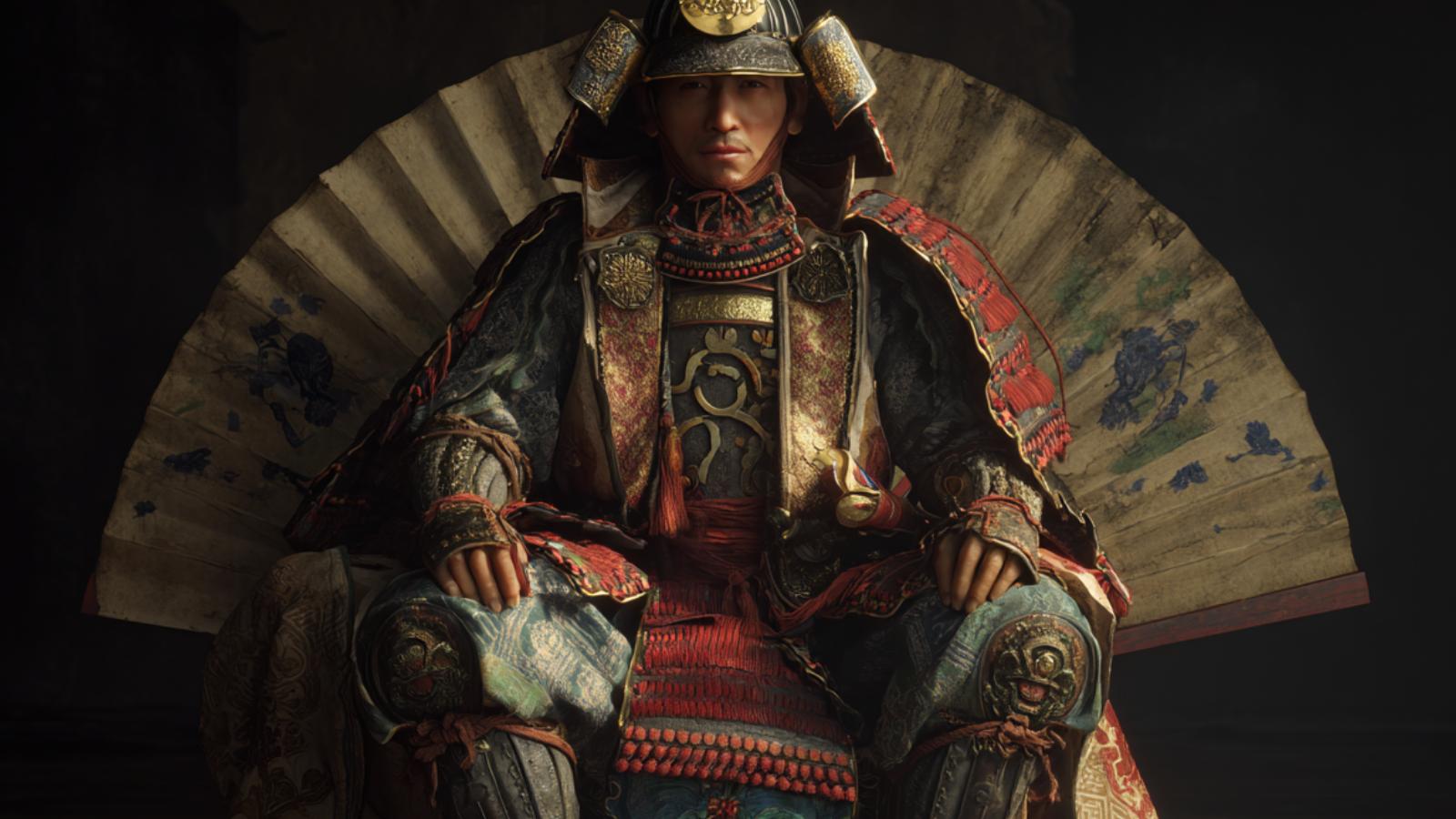
“勇気は勝利の鍵である。”
— Courage is the key to victory.

| Lead 統率 |
Valor 武勇 |
Intel 知略 |
Pol 政治 |
|---|---|---|---|
| 75 | 80 | 70 | 65 |
| Name (JP) | 伴 直政 |
|---|---|
| Title | Daimyo |
| Clan / Force | Tokugawa Clan |
| Era | 1548 – 1590 |
| Origin | Mikawa |
| Key Battles | |
| Arts | Calligraphy |
About Ban Naomasa
From a young age, he was trained in the art of war and demonstrated a natural talent for military strategy and personal combat.
His upbringing as a shugo allowed him to understand the broader political landscape of the time, which would serve him well in his later career.
Naomasa gained prominence during the late Sengoku period when he pledged his loyalty to Tokugawa Ieyasu.
He participated in various significant, establishing his reputation as a capable general.
His exceptional valor on the battlefield earned him the respect of his peers and cemented his position within the ranks of the Tokugawa army.
Naomasas strategic mind, combined with his personal bravery, made him a key figure in several crucial engagements.
One of Naomasas notable contributions was during the Battle of Sekigahara in 1600, where he played a crucial role in the Tokugawa victory.
His effective command of troops and combat prowess turned the tide in favor of Ieyasu.
Naomasas tactics in both defensive and offensive maneuvers showcased his intelligence in war, garnering him widespread acclaim and further solidifying his status as a great general.
Ban Naomasas endures as a symbol of loyalty and martial skill.
Known for his dedication to the Tokugawa clan, he laid the foundation for a prosperous future in a unified Japan.
His story exemplifies the determination and courage characteristic of samurai warriors during one of Japans most tumultuous eras.
Despite being overshadowed by larger-than-life figures, Naomasa remains a revered figure in the history of samurai and Japanese military tradition.









comment