
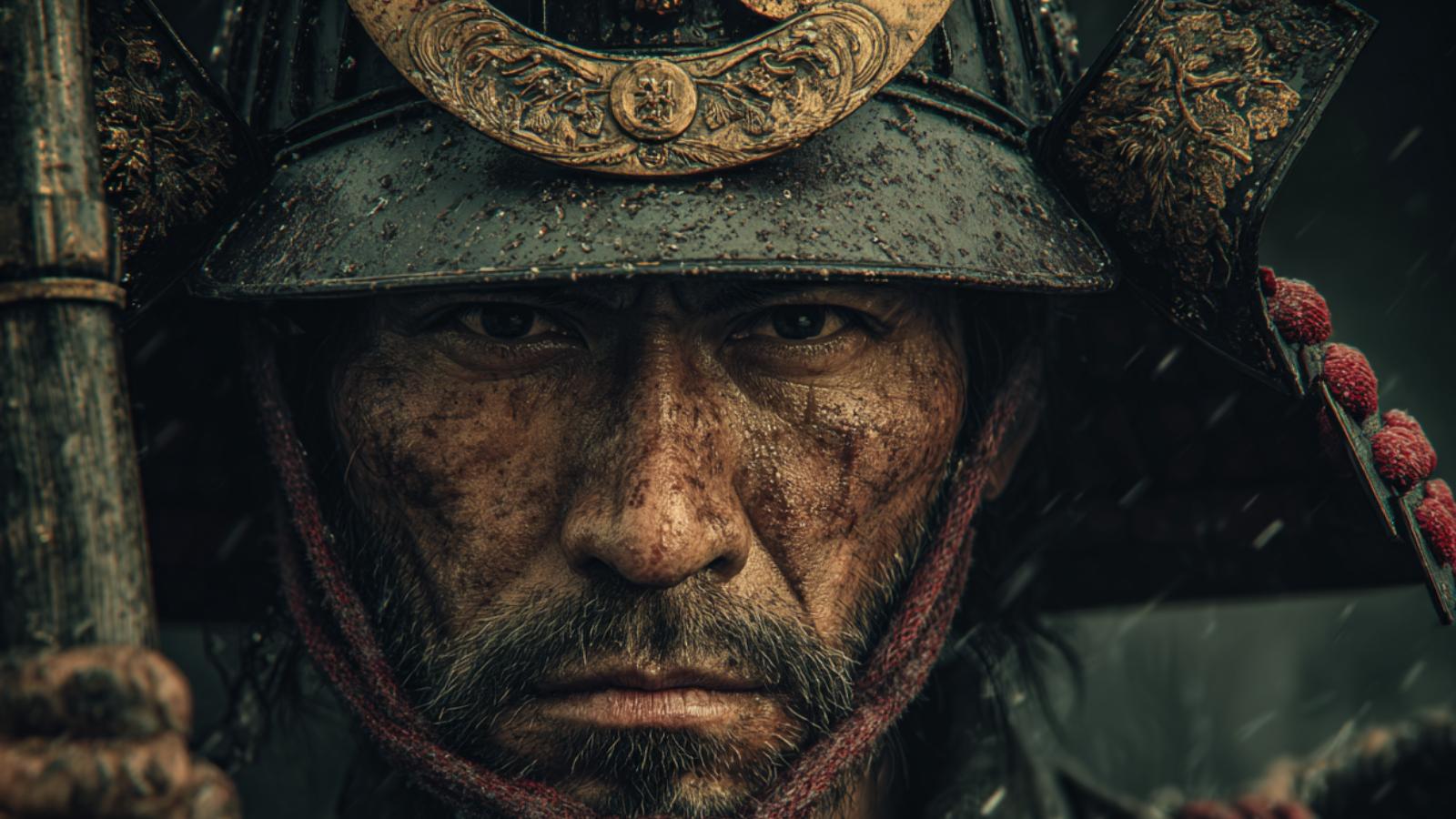
“戦とは心の勝負である。”
— War is a contest of hearts.

| Lead 統率 |
Valor 武勇 |
Intel 知略 |
Pol 政治 |
|---|---|---|---|
| 70 | 65 | 75 | 60 |
| Name (JP) | 下間 頼広 |
|---|---|
| Title | Samurai |
| Clan / Force | Miyoshi Clan |
| Era | 1540 – 1603 |
| Origin | Miyazaki |
| Key Battles | |
| Arts | Martial Arts |
About Shimozuma Raihiro
His early years were shaped by the tumultuous environment around him, leading him to train rigorously in the martial arts and the ways of strategy.
Coming from a lineage of Shugo, he was instilled with the values of both honor and loyalty from a young age.
As a young samurai, Raihiro quickly gained a reputation for his valor and charisma on the battlefield.
He aligned himself with local warlords and was involved in several significant skirmishes, showcasing his leadership qualities.
His tactical acumen and personal bravery during these engagements earned him respect and recognition among his peers.
Throughout his life, Raihiro participated in numerous, demonstrating a strong understanding of both strategy and combat.
While not as renowned as legends like Oda Nobunaga or Tokugawa Ieyasu, he played a crucial role in supporting his clan’s interests against rival factions.
His abilities in command and his strategic effectiveness during skirmishes helped stabilize his region amidst the variances of war.
Shimozuma Raihiro’s is remembered through his contributions to the martial traditions of Japan and his unwavering commitment to honor.
Although he may not have been a grand daimyo, his influence shaped the future generations of samurai in his province and beyond.
His philosophy that ‘war is a contest of hearts’ reflects his understanding of the psychological aspects of warfare, emphasizing the importance of mental fortitude alongside physical prowess.









comment