
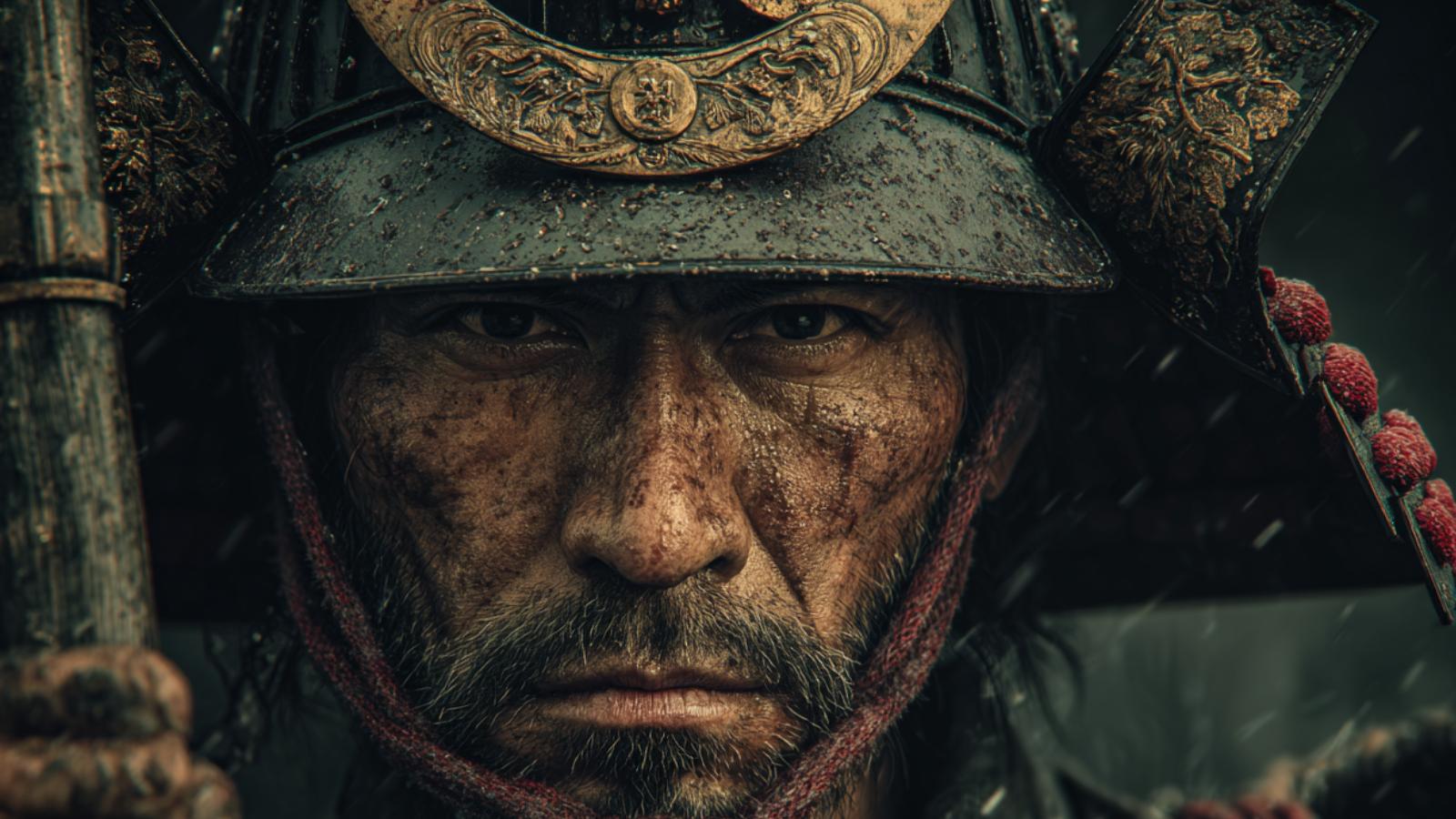
“武士は名誉を重んじる。”
— A warrior values honor.

| Lead 統率 |
Valor 武勇 |
Intel 知略 |
Pol 政治 |
|---|---|---|---|
| 70 | 75 | 65 | 60 |
| Name (JP) | 向井 正綱 |
|---|---|
| Title | Samurai |
| Clan / Force | Tokugawa Clan |
| Era | 1560 – 1620 |
| Origin | Mutsu |
| Key Battles | |
| Arts | Calligraphy |
About Mukai Masatsuna
From a young age, he was trained in the arts of war and strategy, influenced by the turbulent era of the late Sengoku period.
His lineage provided him the means to pursue a life as a samurai, fostering his skills in martial arts and strategy.
As Masatsuna reached adulthood, he became a retainer for a local daimyo.
His tactical acumen and fearless warrior spirit earned him respect on the battlefield.
He played key roles in various skirmishes and uprisings, distinguishing himself in campaigns against rival clans.
His leadership abilities were recognized, and he quickly rose through the ranks, ultimately achieving the of Samurai.
Masatsuna participated in several notable during the late 16th century.
His most significant engagements include conflicts against the powerful Uesugi and Date clans.
Known for his strategic mind, he was often entrusted with command of small but elite units, where he utilized guerrilla tactics to offset larger enemy forces.
His bravery was on display in every encounter, gaining him a formidable reputation among his peers.
Mukai Masatsunas is one of honor and courage.
Though not as famous as some of his contemporaries, his commitment to bushido and local leadership contributed significantly to the stabilization of his region during the tumultuous period.
In later years, he cultivated the arts, particularly calligraphy, inspiring future generations of samurai to blend martial prowess with cultural pursuits.









comment