
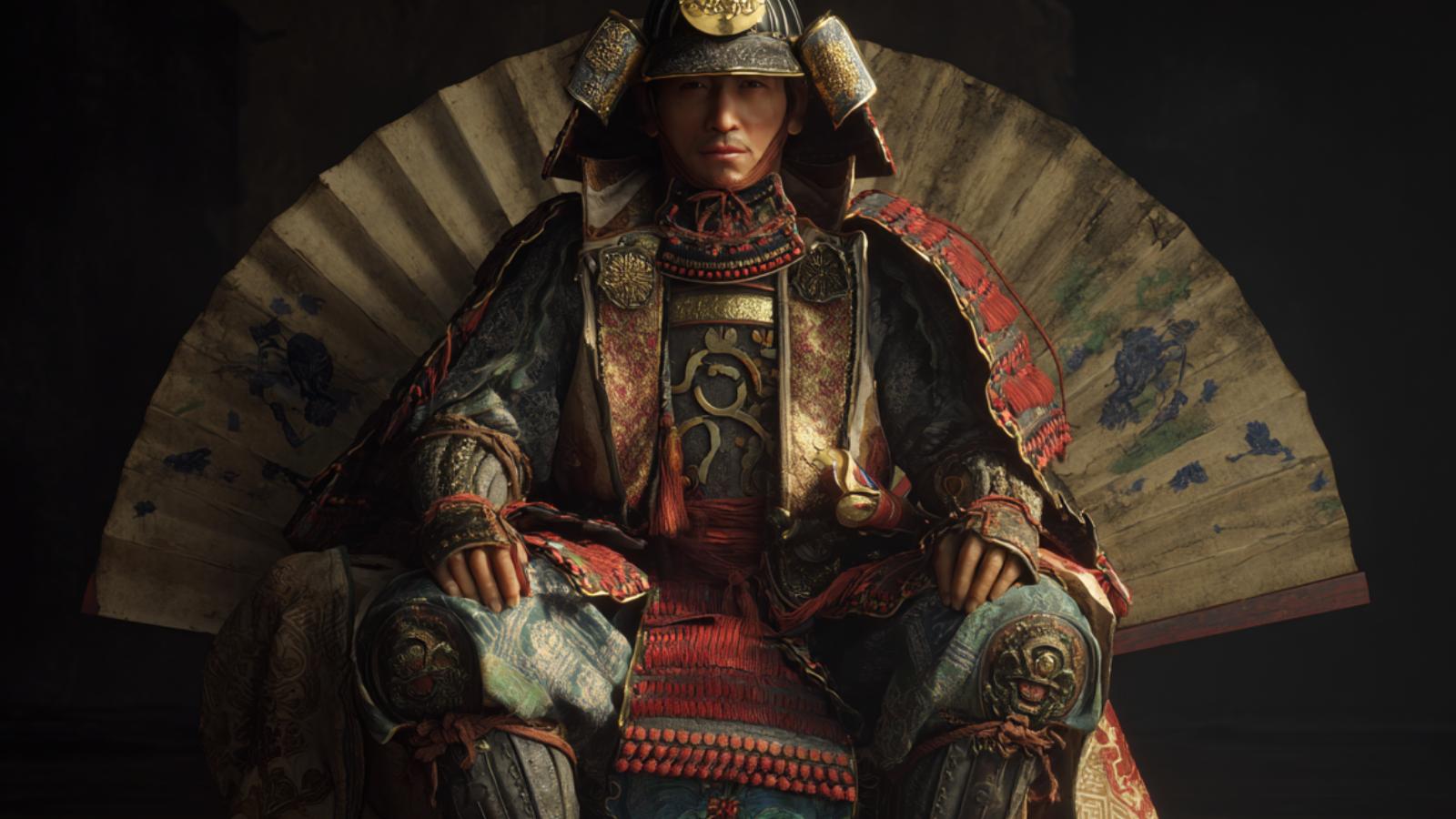
“我が信をもって、人を導かん。”
— With my trust, I shall lead others.

| Lead 統率 |
Valor 武勇 |
Intel 知略 |
Pol 政治 |
|---|---|---|---|
| 76 | 74 | 78 | 65 |
| Name (JP) | 九鬼 守隆 |
|---|---|
| Title | Daimyo |
| Clan / Force | Kuki Clan |
| Era | 1561 – 1626 |
| Origin | Ise |
| Key Battles | |
| Arts | Martial Arts |
About Kuki Moritaka
His family were retainers of the Matsudaira clan, which later played a significant role in the of the Tokugawa shogunate.
As a child, Moritaka was trained in the bushido code, developing skills in martial arts, strategy, and warfare.
His was influenced by the turbulent circumstances of the Sengoku period, which fostered a strong resolve in him to as a competent leader and warrior.
Kuki Moritaka began to gain recognition in the late 1580s for his valiance and skilled leadership in battle.
He served under Toyotomi Hideyoshi and participated in campaigns aimed at unifying Japan.
His prowess was evident during the Kyushu Campaign, where he proved his capabilities in coordinating troops and executing strategy.
By the time of the battle of Sekigahara in 1600, Moritaka had cemented his reputation as a capable general, maneuvering his forces with precision amidst the chaos of war.
Moritaka is well-remembered for his involvement in several key during the transition from the Sengoku period to the Edo period.
His significant include engagements in the Siege of Osaka, where his tactical intelligence played a critical role in defending his territories against formidable enemies.
His leadership was characterized by an emphasis on loyalty and morale among his troops, earning their respect and steadfast allegiance.
Throughout this tumultuous phase in Japanese history, Moritaka navigated through alliances and rivalries, establishing his influence in the region.
Kuki Moritaka left a lasting as a samurai who successfully transitioned from a retainer to a daimyō within his lifetime.
His strategic competence and martial prowess not only contributed to his personal success but also laid groundwork for future generations of samurai, influencing military tactics and governance in the Edo period.
The virtues of loyalty and merit are often highlighted in narrations of his life, making him a respected figure in Japanese history, essential in the tales of the samurai and feudal loyalty.









comment