
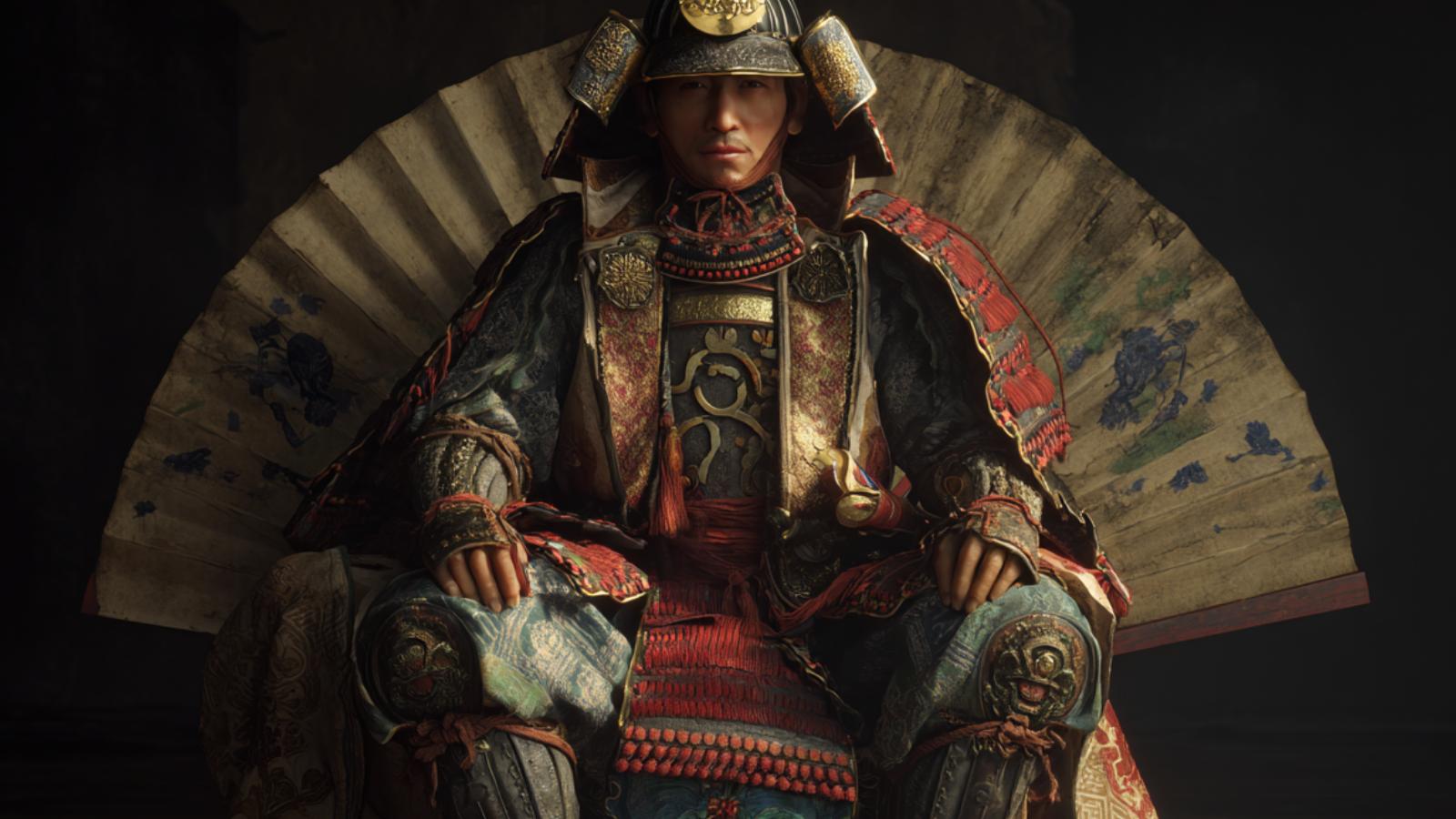
“武士道は生き方である。”
— The way of the samurai is a way of life.

| Lead 統率 |
Valor 武勇 |
Intel 知略 |
Pol 政治 |
|---|---|---|---|
| 75 | 60 | 80 | 70 |
| Name (JP) | 北畠 具房 |
|---|---|
| Title | Daimyo |
| Clan / Force | Kitabatake Clan |
| Era | 1402 – 1472 |
| Origin | Ise |
| Key Battles | |
| Arts | Noh Theatre |
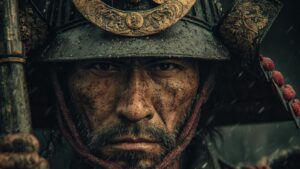
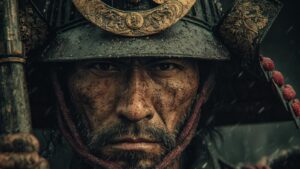
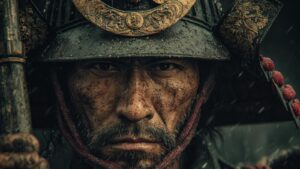
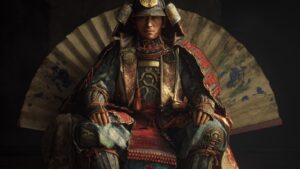
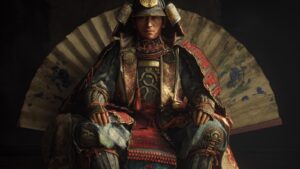
About Kitabatake Tomofusa
As a member of a family that served as shugo (military governors) of Ise Province, Tomofusas upbringing was steeped in the samurai code and the responsibilities that came with leadership.
His early years were marked by an education in both martial and literary arts, setting the foundation for his future roles in governance and battle.
Tomofusa’s ascent to power came during a tumultuous period when regional daimyos vied for control over territories.
His leadership skills came to the forefront as he adeptly navigated the political landscape, forming alliances and engaging in strategic marriages that bolstered his clans influence.
Notably, he played a crucial role in the defense of his homeland against the incursions of rival clans, which earned him respect and acknowledgment from his peers.
His commitment to the arts, particularly Noh drama, also showcased a well-rounded character that appreciated both martial prowess and cultural developments.
Throughout his life, Tomofusa engaged in numerous, defending Ise Province against the forces of the rising power of Oda Nobunaga and the conflicts that ensued from the Ashikaga shogunates weakening grip.
Despite facing overwhelming odds, Tomofusas tactical approach allowed him to secure victories that solidified his clans status.
His prowess in battle, although not legendary compared to contemporaries, was significant enough to earn him a reputation as a capable leader who could rally troops under extreme pressure.
Kitabatake Tomofusa left behind a that transcends mere military achievements.
He was a patron of the arts, fostering the development of Noh theatre, which remains an integral part of Japanese cultural heritage.
His descendants would continue to play important roles in the governance of the region, illustrating the enduring influence of his leadership and vision.
Tomofusas life stands as a testament to the ideals of the samurai, bridging the gap between martial duty and cultural enlightenment.
comment