
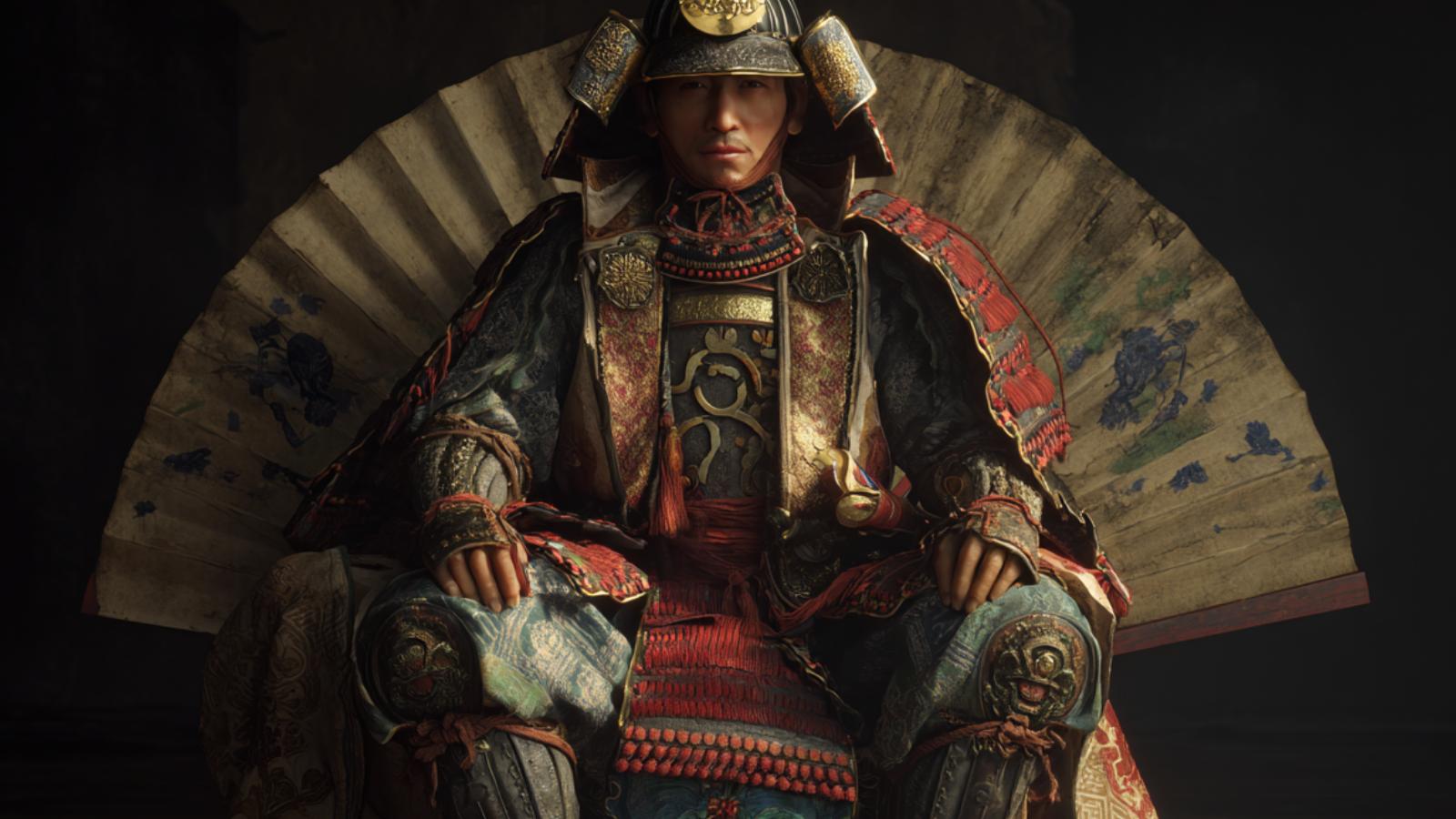
“武士道は死ぬことを恐れない心を教えてくれる。”
— The way of the samurai teaches a heart that fears not death.

| Lead 統率 |
Valor 武勇 |
Intel 知略 |
Pol 政治 |
|---|---|---|---|
| 76 | 70 | 80 | 68 |
| Name (JP) | 一色 義定 |
|---|---|
| Title | Daimyo |
| Clan / Force | Ashikaga Clan |
| Era | 1520 – 1556 |
| Origin | Kawachi |
| Key Battles | |
| Arts | Calligraphy |
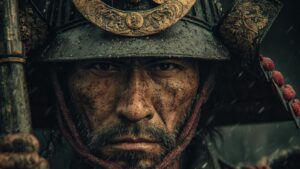
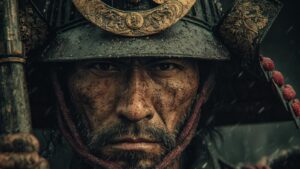
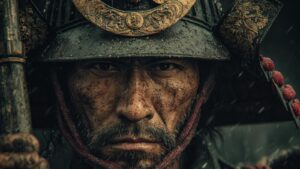
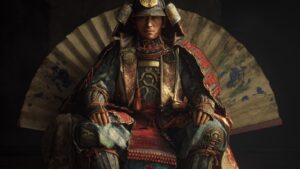
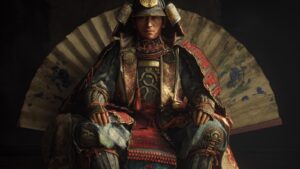
About Isshiki Yoshisada
Coming from a lineage of shugo (military governors), Yoshisada was raised in a world where military skill and governance were paramount.
His early training in the martial arts and the study of strategy would later define his career.
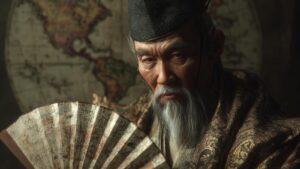
He was influenced by both the warrior code and the scholarly pursuits of samurai culture, which led him to develop a keen interest in calligraphy, reflecting the duality of his character as both a warrior and a thinker.
Yoshisadas came during a time of considerable unrest in Japan.
As the power of local daimyo began to, he positioned himself as a capable leader among his peers.
He demonstrated effective leadership skills that allowed him to rally troops under his command in several important skirmishes.
His intelligence in battlefield strategy earned him the respect of other generals and solidified his reputation as a formidable player in his region.
By the mid-1550s, he had gained significant recognition, becoming a daimyo known for his ambitions in consolidating power and expanding his territories, fiercely contesting against rival clans in his quest for dominance.
Throughout his career, Yoshisada was engaged in multiple that tested his mettle as a warrior and a tactician.
He often found himself embroiled in the conflicts that characterized the Sengoku period, including skirmishes against the powerful clans like the Miyoshi and the Matsunaga.
His ability to adapt to changing circumstances on the battlefield revealed a level of strategic ingenuity that was above his contemporaries.
He faced many hardships, including betrayals and shifting alliances, yet he managed to maintain a stable faction under his leadership until his untimely death in 1556.
Isshiki Yoshisada is remembered not only for his military prowess but also for his contributions to the cultural landscape of the time.
His appreciation for the arts towards the later part of his life demonstrated a nuanced understanding of the samurais role beyond warfare.
Today, Yoshisadas is acknowledged as a symbol of the virtues of the samurai, representing the balance between martial skills and cultural refinement.
His life remains a noteworthy chapter in the history of the Sengoku period, illustrating the challenges and complexities of samurai leadership.
comment