

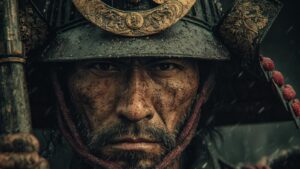
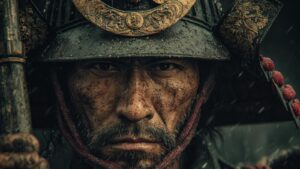
“武士の道は、名誉と忠誠に根ざしている。”
— The way of the samurai is rooted in honor and loyalty.

| Lead 統率 |
Valor 武勇 |
Intel 知略 |
Pol 政治 |
|---|---|---|---|
| 75 | 70 | 78 | 80 |
| Name (JP) | 山名 祐豊 |
|---|---|
| Title | Daimyo |
| Clan / Force | Ashikaga Clan |
| Era | 1534 – 1602 |
| Origin | Suruga |
| Key Battles | |
| Arts | Ikebana |
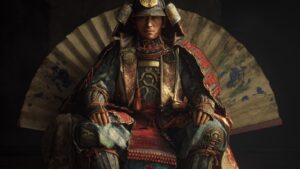
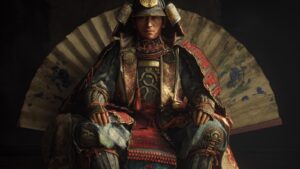
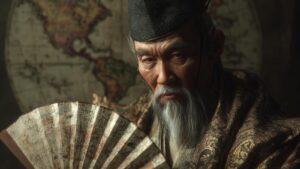
About Yamana Suketoyo
He belonged to the Yamana clan, which had a history of serving as Shugo (military governors) in the region.
From a young age, he was immersed in the samurai culture, heavily influenced by the values of loyalty and honor that were pivotal during the Sengoku period.
His familys connections provided him with opportunities to learn the arts of war and governance, shaping his future exploits.
As Suketoyo grew more adept in his capabilities both as a warrior and a leader, he began to consolidate power in his domain.
He adeptly manoeuvred through the shifting alliances and rivalries that characterized the era.
By the late 1560s, he had climbed the ranks to become a significant vassal to prominent figures, showcasing exemplary leadership and strategic acumen in various engagements.
His ability to maintain loyalty amongst his retainers and effectively manage his domain marked him as a capable ruler, respected by his peers.
Yamana Suketoyo played a crucial role in several key during the Sengoku period.
His defensive strategies often helped safeguard Suruga from enemy incursions.
Notably, his participation in the siege of Takeda territory defined his reputation, showcasing a mix of valor and intelligence that earned him the respect of both allies and foes.
His tactical foresight allowed him to anticipate enemy movements and efficiently mobilize his forces, culminating in numerous successful engagements where his forces triumphed against the odds.
Despite his accomplishments, Suketoyos is often overshadowed by more illustrious contemporaries.
However, he laid the groundwork for future generations of the Yamana clan.
His dedication to loyalty and his embodiment of the samurai code established a moral framework that would influence his descendants.
By the time of his death in 1602, he was recognized as a respected leader, exemplifying the ideals of honor and duty that characterized the samurai ethos.
The values he championed continue to resonate in Japanese culture today.
comment