
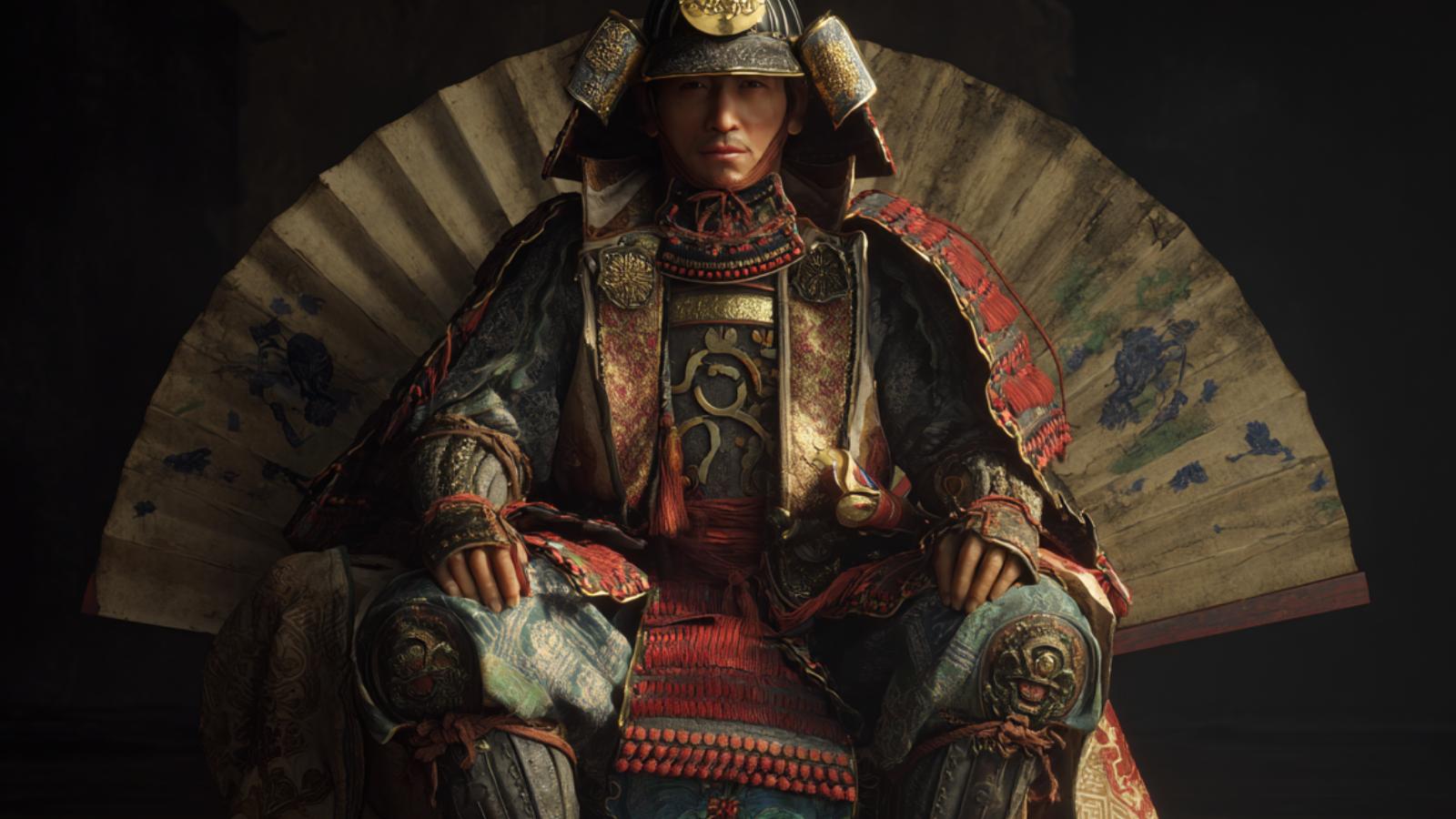
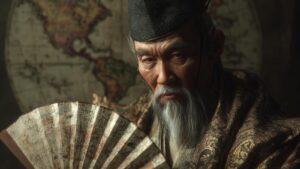
“智恵をもって戦を制す、忠義は我が剣なり。”
— With wisdom, I conquer battles; loyalty is my sword.

| Lead 統率 |
Valor 武勇 |
Intel 知略 |
Pol 政治 |
|---|---|---|---|
| 70 | 60 | 75 | 68 |
| Name (JP) | 浦上 宗景 |
|---|---|
| Title | Daimyo |
| Clan / Force | Unknown |
| Era | 1514 – 1563 |
| Origin | Bizen |
| Key Battles | |
| Arts | Martial Arts |
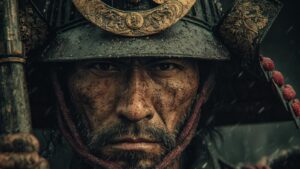
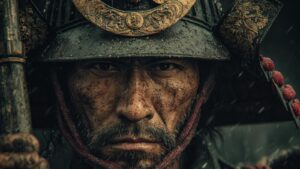
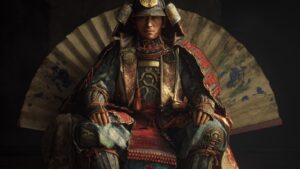
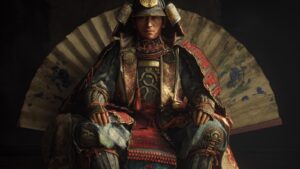
About Uragami Munekage
The Uragami clan, with deep roots in samurai culture, instilled the principles of duty and honor in him from an early age.
Growing up in a time of continuous strife and rebellion, Munekage was deeply influenced by the martial traditions of his ancestors, prompting him to train rigorously in the art of war and strategy.
As he matured, Munekage began to take on more significant roles within his clan, showcasing his capabilities as a leader and warrior.
His early military campaigns were marked by his tactical acumen, helping the Uragami clan secure vital territories in the region.
His alliance with notable daimyo of the period, including the powerful Mōri clan, further solidified his standing and allowed him to amass considerable influence and resources in Bizen.
Throughout his life, Munekage participated in several pivotal that shaped the feudal landscape of Japan.
Notably, he played a significant role in the defense of Bizen against invading forces and was instrumental in securing peace treaties with neighboring clans.
His engagements on the battlefield were characterized by his strong leadership and a willingness to inspire his troops, although he was not the most renowned duelist of his time compared to other samurai.
His combat skills, while solid, were secondary to his tactical insights and strategic planning that often guided his armies to victory.
Uragami Munekage passed away in 1563, leaving behind a of loyalty, strategy, and resilience.
His commitment to his clan and province during tumultuous times earned him a reputation as a capable leader among his contemporaries.
Today, he is remembered not only for his military exploits but also for his contributions to the cultural and political fabric of the Sengoku period, instilling ideals of honor and duty in future generations.

comment