
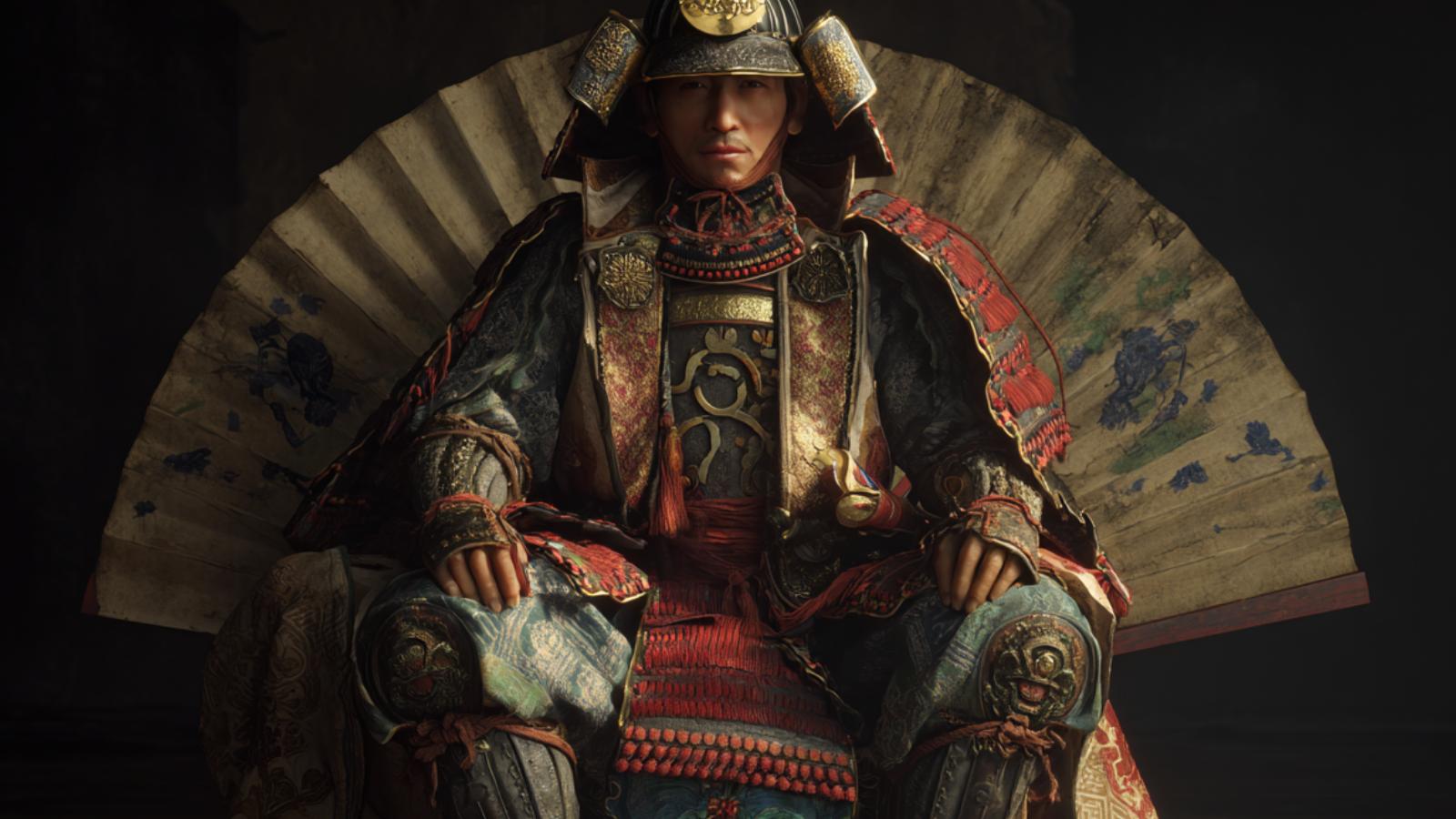
“勝つことは重要だが、どう勝つかがより重要だ。”
— Winning is important, but how you win is even more important.

| Lead 統率 |
Valor 武勇 |
Intel 知略 |
Pol 政治 |
|---|---|---|---|
| 75 | 70 | 78 | 65 |
| Name (JP) | 小寺 政職 |
|---|---|
| Title | Daimyo |
| Clan / Force | Miyoshi Clan |
| Era | 1520 – 1585 |
| Origin | Bizen |
| Key Battles | |
| Arts | Noh Theatre |
About Kodera Masamoto
Coming from the noble lineage of Shugo, he inherited a of leadership and governance.
His family played a significant role in the administration of the region, providing Masamoto with the skills necessary for later life as a daimyo.
Early on, he displayed a keen interest in military strategies and the arts, particularly Noh Theatre, which influenced his understanding of leadership and the importance of culture in governance.
Masamotos to prominence began in the turbulent years of the Sengoku period, where many clans vied for power and territory.
He quickly gained a reputation for his tactical acumen in both warfare and diplomacy.
Through strategic alliances and his leadership abilities, he was able to strengthen his holdings in Bizen, making it a formidable force.
His capacity to govern was complemented by his understanding of the social dynamics of the region, further solidifying his status as a significant player in the political landscape.
Throughout his military career, Masamoto engaged in multiple skirmishes and, showcasing his capabilities as a general.
Though not as renowned as some of his contemporaries, he was respected by both his allies and enemies alike.
His approach to warfare often emphasized the importance of morale and loyalty among his troops, a reflection of his leadership style.
One of his notable campaigns involved defending his province from rival clans, where his strategies resulted in decisive victories, thereby securing his familys for generations.
Kodera Masamoto’s impact on his region and beyond cannot be overlooked.
He contributed significantly to the unifying efforts of Japan during the late Sengoku period.
While he may not have reached the legendary status of figures like Oda Nobunaga, his influence in Bizen gave to a stronger and more unified domain.
His philosophy on leadership emphasized the importance of integrity and culture, leaving future generations a blueprint for governance and military strategy.
His continues to be studied by historians and military enthusiasts alike, and his quote about the nature of victory resonates throughout the ages.









comment