
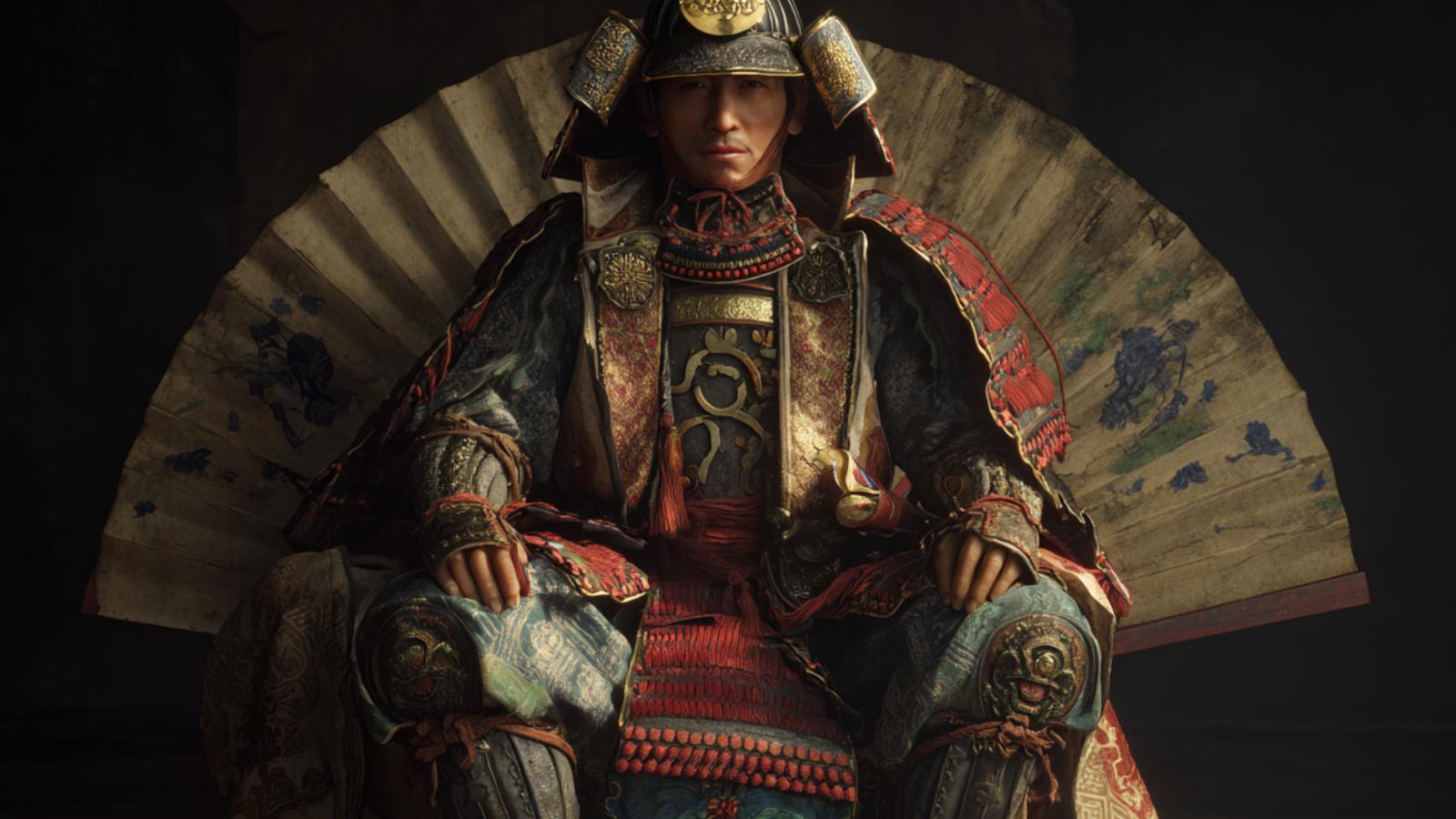
“武士は死ぬことが仕事である。”
— A warrior’s duty is to embrace death.

| Lead 統率 |
Valor 武勇 |
Intel 知略 |
Pol 政治 |
|---|---|---|---|
| 73 | 60 | 75 | 68 |
| Name (JP) | 波多野 秀治 |
|---|---|
| Title | Daimyo |
| Clan / Force | Miyoshi Clan |
| Era | 1540 – 1602 |
| Origin | Bungo |
| Key Battles | |
| Arts | Noh Theatre |
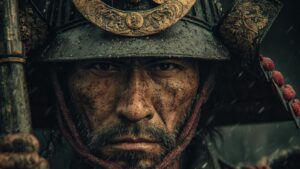
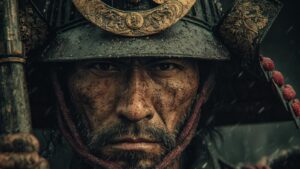
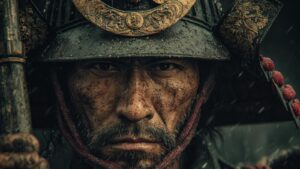
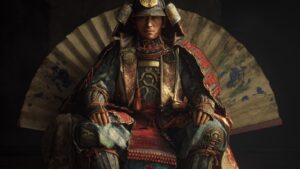
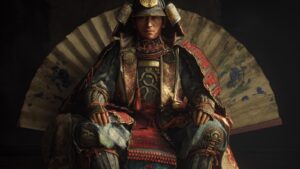
About Hatano Hideharu
He grew up amidst the chaos of the Sengoku period, where ambition and martial skill were necessary for survival.
Hideharu was trained in the arts of combat, governance, and the rich cultural of Noh Theatre, shaping his character and aspirations.
As a young daimyo, Hideharu quickly established himself as a capable leader.
He participated in several campaigns during the unification of Japan, showcasing his strategic skills and ability to rally troops.
His political acumen allowed him to maintain relative peace in his territory, earning the respect of both his allies and rivals.
Hideharu’s loyalty to his lord was evident, and he was often entrusted with significant military missions.
Hatano Hideharu fought in various campaigns between the 1560s and 1590s, including skirmishes against powerful opponents like the Toyotomi clan.
While he was not known for unmatched valor, his combat skills were respectable, allowing him to hold his own on the battlefield.
His leadership during critical engagements was instrumental in achieving victories for his clan, though he often preferred strategic maneuvers over brute force, which earned him tactical accolades among his contemporaries.
Hideharu passed away in 1602, leaving behind a of honor and strategic prowess.
He was remembered not simply for his military engagements but also for his contributions to governance and culture in his province.
His life epitomized the ideals of a samurai—dedication, loyalty, and wisdom in both warfare and peacetime governance.
Today, he is regarded as a significant yet understated figure in the tumultuous history of Japans unification.
comment