
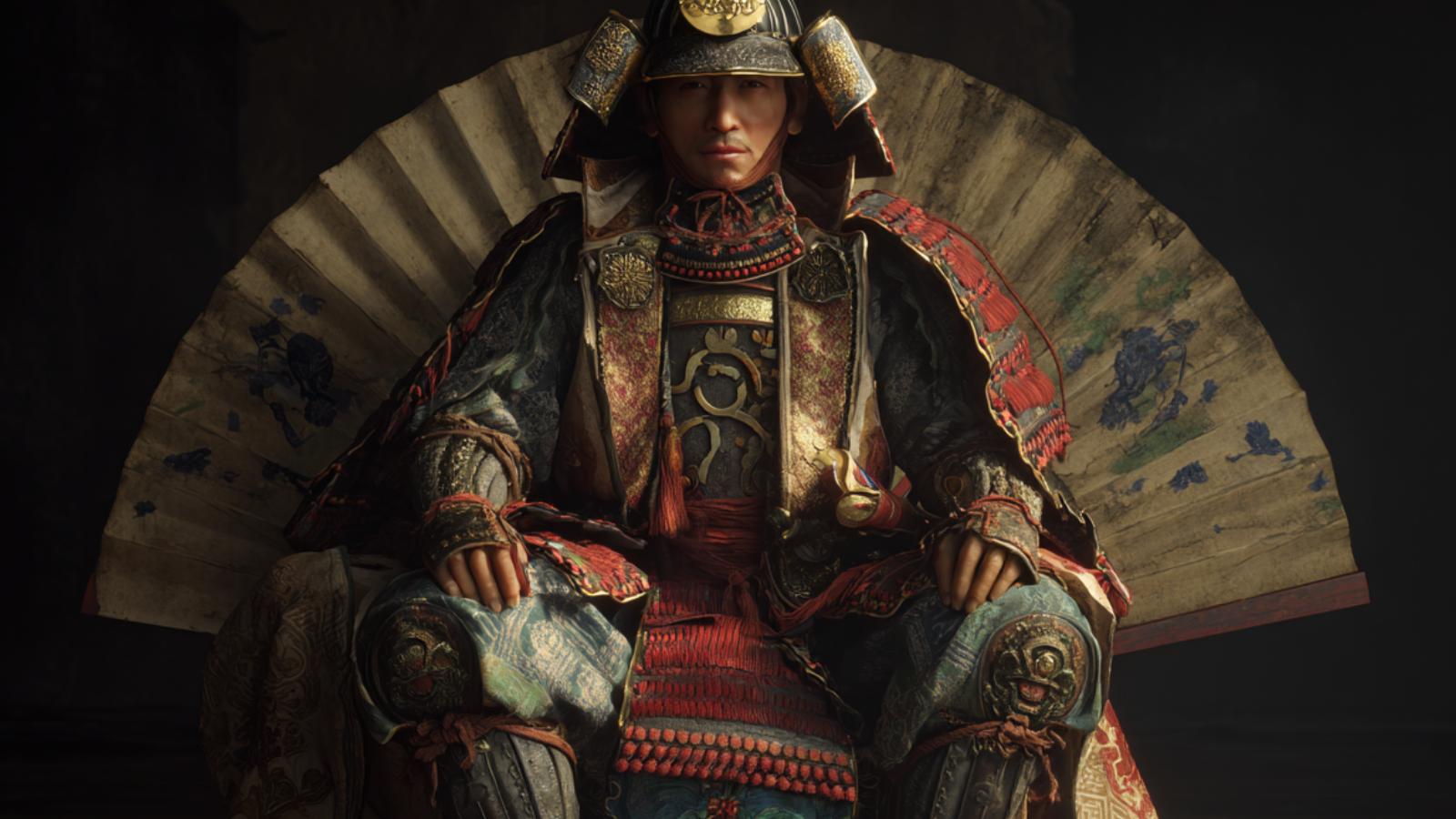
“勝敗は時の運、我心の平静を守る”
— Victory and defeat are matters of fortune; I guard the tranquility of my heart.

| Lead 統率 |
Valor 武勇 |
Intel 知略 |
Pol 政治 |
|---|---|---|---|
| 70 | 75 | 65 | 60 |
| Name (JP) | 長井 道利 |
|---|---|
| Title | Daimyo |
| Clan / Force | Unknown |
| Era | 1560 – 1624 |
| Origin | Katsushika |
| Key Battles | |
| Arts | Martial Arts |
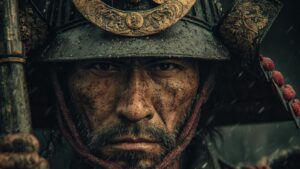
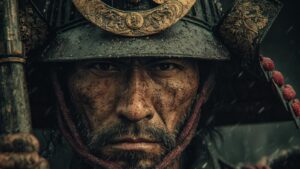
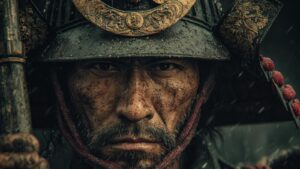
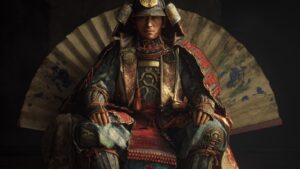
About Nagai Michitoshi
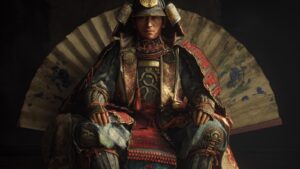
Growing up during the Sengoku period, a time of constant conflict and power struggles among feudal lords, he was exposed to the values of bushido and martial discipline from an early age.
His training in various martial arts equipped him with the skills necessary to navigate a life of conflict, shaping his future as a capable warrior.
As Michitoshi matured, he quickly gained recognition for his bravery and tactical intelligence on the battlefield.
He established himself as a dependable samurai and earned the trust of his lord, serving diligently in various military campaigns.
His contributions were notable during key, especially those against rival clans in the region.
His leadership abilities earned him the of Daimyo, allowing him to command greater autonomy and responsibility over his followers.
Throughout his career, Michitoshi fought in numerous, showcasing both courage and strategic prowess.
His valor during important confrontations helped sustain his provinces stability amid the chaos of the era.
However, he was not without hesitation; he often stated that victory and defeat were intertwined with fortune, reflecting a philosophical outlook on war.
Such introspection guided him into well-considered decisions that balanced aggression and diplomacy.
Nagai Michitoshis as a samurai transcends his military exploits.
He is remembered not only for his martial abilities but also for his dedication to the principles of bushido and his loyalty to his clan.
After his death in 1624, his descendants honored his memory, perpetuating his values and strategies through generations.
To this day, Michitoshi is regarded as a symbol of the samurai spirit, representing the virtues of honor, loyalty, and martial excellence.
comment