
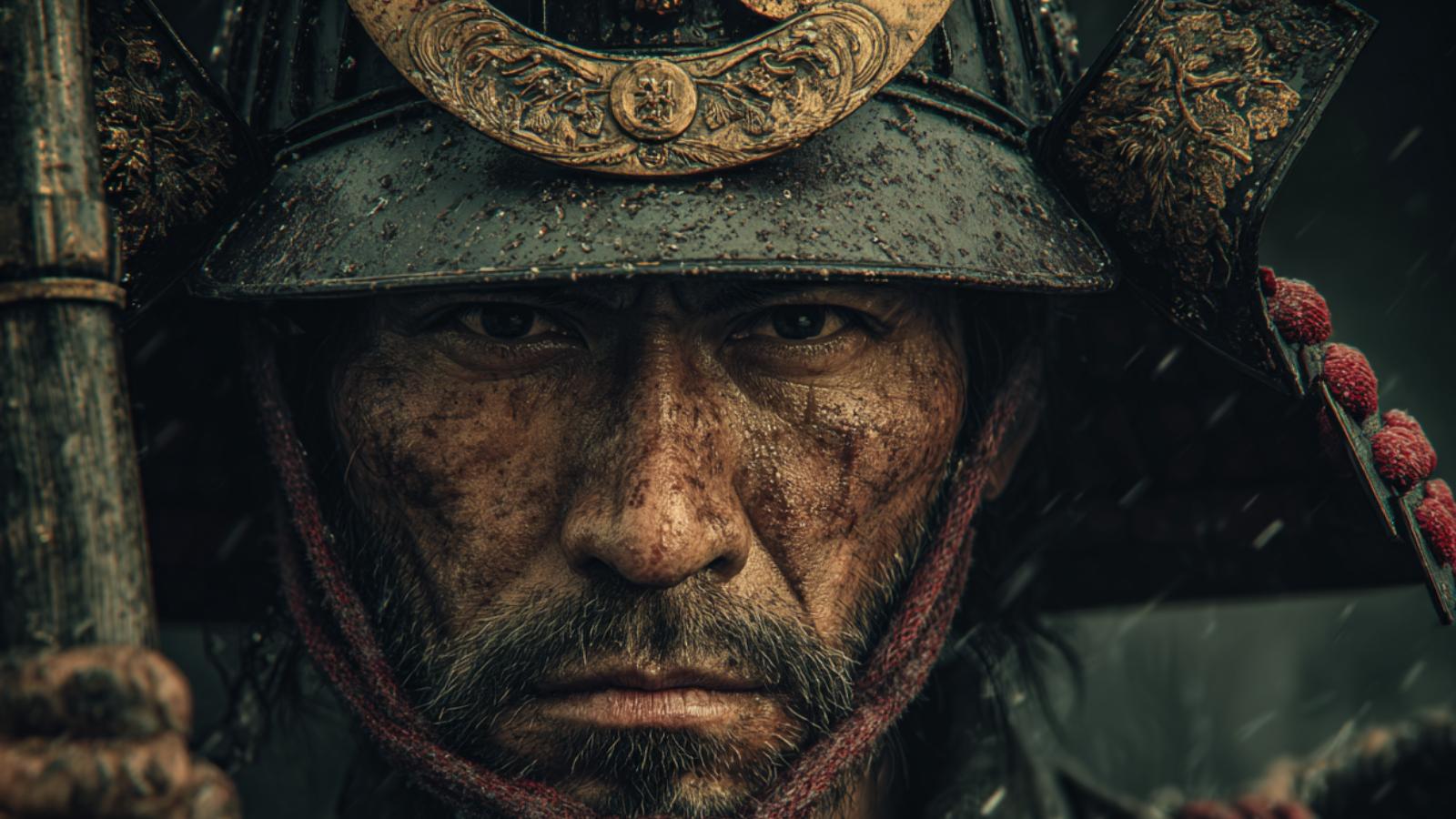
“小さな花でも心を込めて。”
— Even a small flower, when tended with care, blooms beautifully.

| Lead 統率 |
Valor 武勇 |
Intel 知略 |
Pol 政治 |
|---|---|---|---|
| 65 | 70 | 60 | 55 |
| Name (JP) | 奥村 永福 |
|---|---|
| Title | Samurai |
| Clan / Force | Unknown |
| Era | 1580 – 1620 |
| Origin | Osaka |
| Key Battles | |
| Arts | Ikebana |
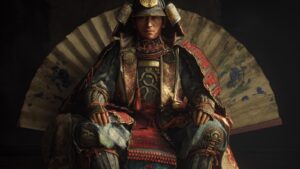
About Okumura Nagatomi
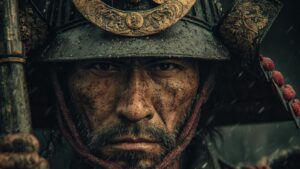
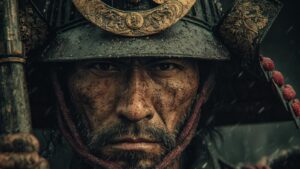
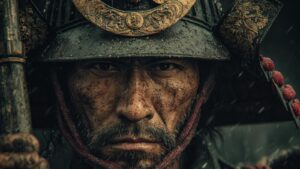
Emerging from a peasant background, he faced the challenges of growing up in a country fragmented by constant warfare.
Despite his humble origins, he was determined to improve his familys fortunes and to become a proud samurai.
His early exposure to the tumultuous landscape of feudal Japan instilled in him a sense of resilience and ambition.
As he matured, Nagatomi began training in the martial arts, showing considerable aptitude in combat.
His valor on the battlefield soon caught the attention of local lords, and he was eventually adopted into a minor clan as a retainer.
His leadership abilities began to shine as he led small units in skirmishes, demonstrating both tactical understanding and a courageous spirit in the face of danger.
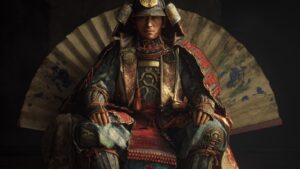
While he may not have achieved the legendary status of the great daimyos, his skill earned him a reputation among his peers, paving the way for significant opportunities in the years ahead.
During the early 17th century, Nagatomi participated in various conflicts, mostly involving the shifting alliances between clans.
His most notable engagements occurred during the Battle of Sekigahara in 1600, where he fought valiantly for his lord.
Although his forces were ultimately on the losing side, his bravery was commendable, and he managed to rally his forces long enough to allow many to escape.
After the battle, he continued to serve diligently, engaging in various campaigns and solidifying his role as a capable lieutenant.
He also focused on strengthening the relations among the clans, recognizing that military might alone would not secure lasting peace in the region.
Nagatomis is subtly woven into the tapestry of samurai history.
After stepping down from active duty, he took up the arts, particularly Ikebana, illustrating his belief that a warriors life is not solely one of bloodshed but also of beauty and cultivation.
His quote, Even a small flower, when tended with care, blooms beautifully, encapsulates his approach to life and leadership.
His story serves as an inspiration for those who aspire to transcend their beginnings, showing that even a peasant can become a respected figure through dedication and courage.
comment