
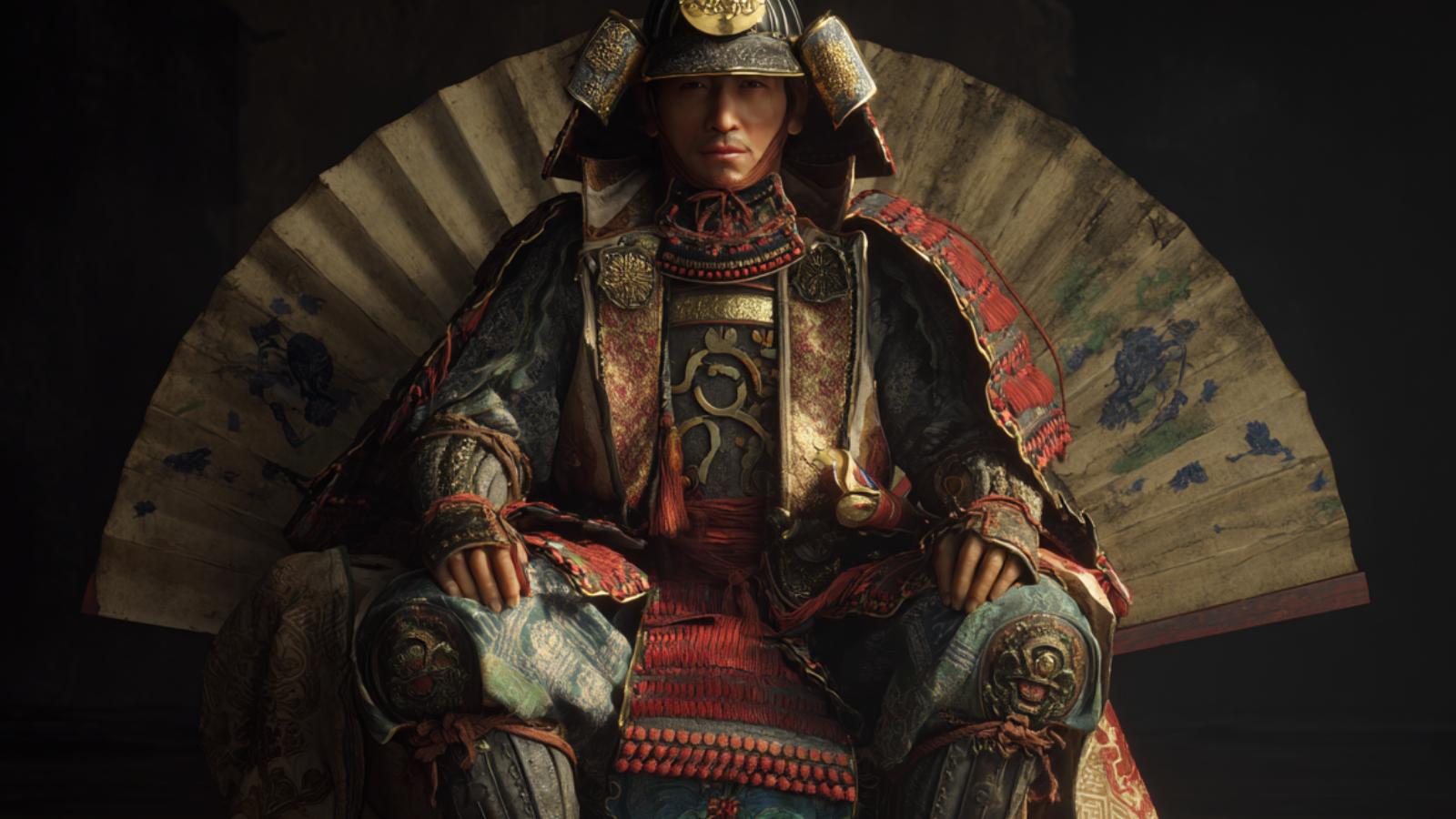
“困難を乗り越えてこそ真の武士である。”
— Only by overcoming difficulties can one become a true warrior.

| Lead 統率 |
Valor 武勇 |
Intel 知略 |
Pol 政治 |
|---|---|---|---|
| 72 | 65 | 78 | 70 |
| Name (JP) | 蜂屋 頼隆 |
|---|---|
| Title | Daimyo |
| Clan / Force | Unknown |
| Era | 1563 – 1623 |
| Origin | Shimane |
| Key Battles | |
| Arts | Noh Theater |
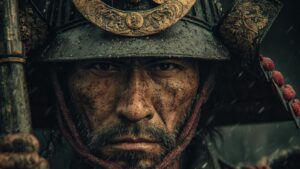
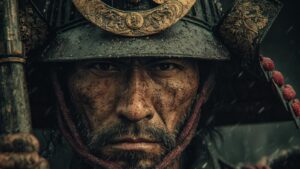
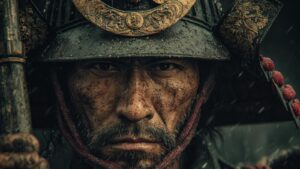
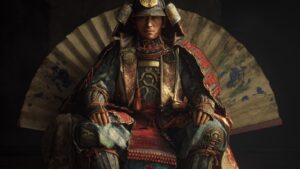
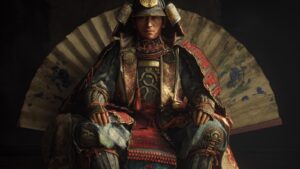
About Hachiya Yoritaka
Born into a warrior family, he was taught the ways of the sword from a young age and grew up during a period marked by constant conflict among rival clans.
Yoritaka was not just a warrior, but also a lover of culture, particularly Noh theater, which he later supported in his domain.
As he matured, Yoritaka distinguished himself in local conflicts, displaying a blend of valor and strategic acumen on the battlefield.
By the age of 30, he had n to prominence, securing the of Daimyo and gaining control over several strategic territories in the region.
His leadership was marked by a commitment to both military strength and cultural patronage, earning him a reputation as a well-rounded leader in the eyes of his peers.
Yoritaka participated in numerous throughout the late 16th century as regional conflicts escalated.
He proved his mettle in skirmishes against rival clans, utilizing guerilla tactics and forming alliances when necessary.
His intelligence shone in the way he assessed battlefields and led his troops, often achieving victory against numerically superior forces.
Though he enjoyed many successes, he also faced setbacks that taught him the need for adaptability in strategy.
Yoritakas influence extended beyond the battlefield.
He fostered a culture of the arts within his domain, encouraging local artisans and performers, particularly in Noh theater.
His contributions helped ensure that the arts flourished during a time when many were focused solely on warfare.
Yoritaka’s is remembered not just for his military exploits but for his role in bridging culture and governance in feudal Japan.
comment