
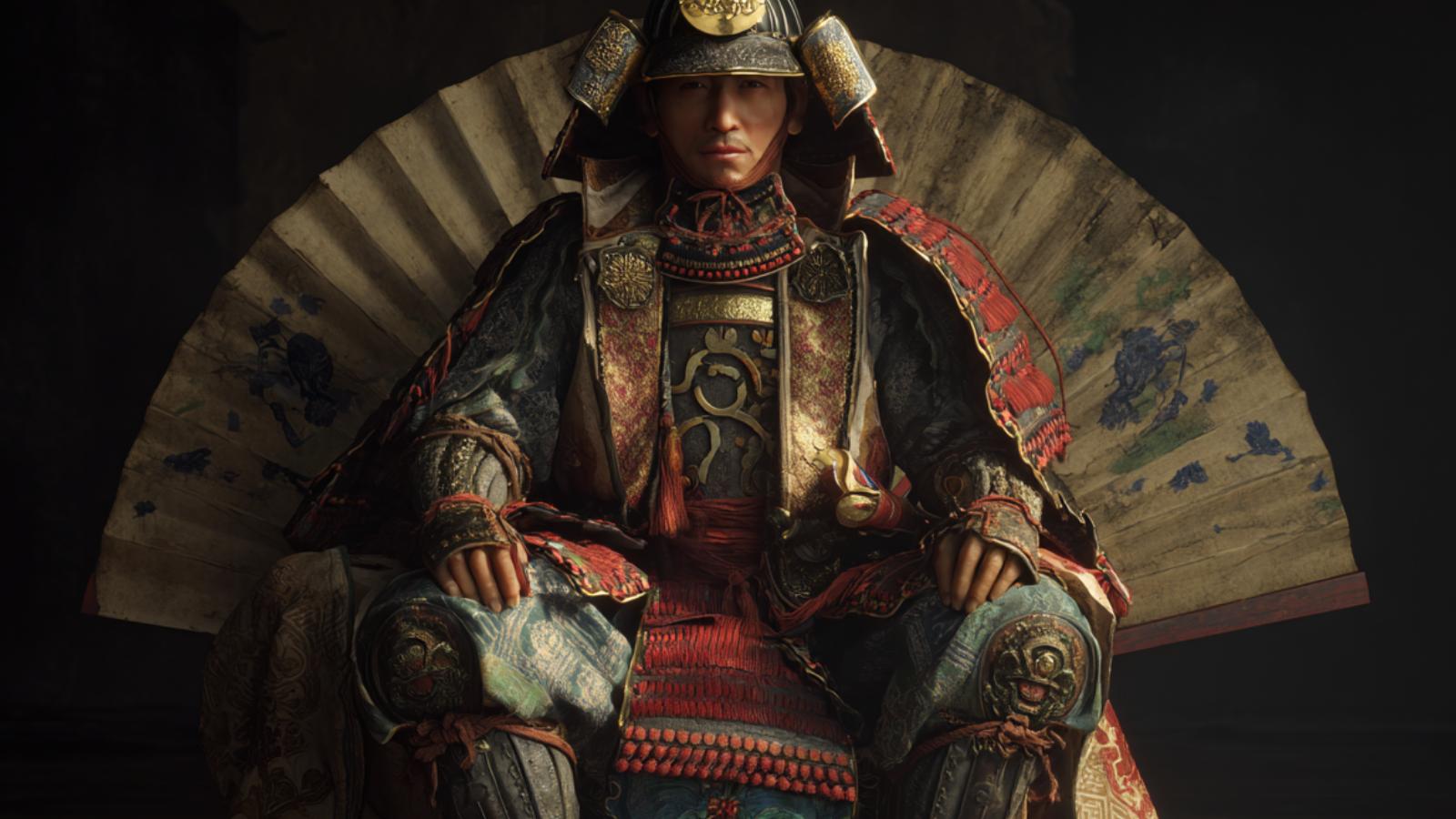
“武士道は生きる道である。”
— The way of the samurai is the path of life.

| Lead 統率 |
Valor 武勇 |
Intel 知略 |
Pol 政治 |
|---|---|---|---|
| 70 | 65 | 75 | 60 |
| Name (JP) | 伊集院 忠朗 |
|---|---|
| Title | Daimyo |
| Clan / Force | Unknown |
| Era | 1520 – 1576 |
| Origin | Satsuma |
| Key Battles | |
| Arts | Martial Arts |
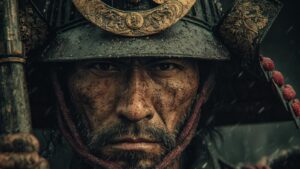
About Ijuin Tadaaki
His childhood was marked by the tumultuous political landscape of the Sengoku period, where power struggles defined the lives of many samurai and their clans.
Tadaaki was trained in various martial arts and became proficient in strategy and governance, laying the foundation for his future as a capable leader.
As a young man, Tadaaki quickly gained recognition for his abilities in battle and leadership.
He became a trusted advisor and general under his lord, who was also striving to solidify his power in Satsuma.
Tadaakis tactical insight during skirmishes helped in overcoming rival clans, allowing his territory to expand slowly.
By the time he became a daimyo, Tadaaki had earned respect from both his peers and enemies alike.
Tadaaki participated in several key throughout the 1560s, showcasing his skills in command and strategy.
He was involved in defending his domain from incursions by neighboring clans and took on an influential role during alliances and confrontations, notably against the Shimazu clan.
His courage in combat earned him a reputation as a valiant warrior, though he often favored strategy over brute strength, reflecting his intelligence in navigating the complexities of war.
Ijuin Tadaakis contributions to martial culture and governance left a lasting impact on Satsuma.
He is remembered for eming the bushido virtues and inspiring future generations of samurai.
His teachings in martial arts and his philosophies reflect the spirit of perseverance and honor.
The quote attributed to him, The way of the samurai is the path of life, continues to resonate in modern interpretations of samurai ethics.



comment